A well-designed Science Workshop can bring science to life for Singapore students. It links classroom concepts to real experiments and sparks curiosity. This post shares MOE-aligned ideas that work in schools.
TL;DR
- Hands-on science workshops align with MOE guidelines and enrich classroom learning.
- Singapore schools can choose themes like urban farming, food waste solutions, STEM tinkering, and upcycling.
- Formats include in-person, virtual, and hybrid sessions with take-home kits and learning journeys.
- Look for MOE-registered instructors, school credentials, safety standards, and customization options.
- Ecoponics offers MOE-aligned programs with GrowKit/HyroKit, serving 100+ Singapore schools.
What is a science workshop?
A science workshop for schools is a structured, interactive, hands-on session designed to deepen scientific understanding and align with curriculum objectives, delivered in a safe, engaging environment.
Why (and how) science workshops fit Singapore schools
Science workshops fit Singapore schools when they tie to the syllabus, emphasize safety, and foster inquiry. They succeed by being practical, collaborative, and adaptable to age groups from K1 to secondary.
What makes a good school science workshop in Singapore
- Curriculum relevance and safety underpin every activity.
- Hands-on inquiry that builds teamwork and problem solving.
- Flexible formats for different age groups (K1 to secondary).
MOE alignment as a core criterion
- Workshop outcomes mapped to MOE Science Syllabus topics.
- Learning journey formats that complement class time and exams.
MOE-aligned workshop ideas by theme (Singapore-ready formats)
Theme-driven formats help teachers plan quickly. Each idea includes activities and outcomes tied to science concepts.
Urban farming and hydroponics
Students explore plant biology while learning data collection and ecosystems.
- Sample activities: plant growth tracking, nutrient solution experiments, GrowKit-based planting.
- Learning outcomes: plant biology, ecosystems, data collection.
Food waste management and sustainability
Learners investigate chemistry basics and waste reduction strategies.
- Sample activities: citrus cleaner making, composting demonstrations, regrowth of kitchen scraps.
- Learning outcomes: chemistry basics, sustainability ethics, waste reduction.
Green gardening and environmental STEM
Hands-on ecology projects reinforce environmental science concepts.
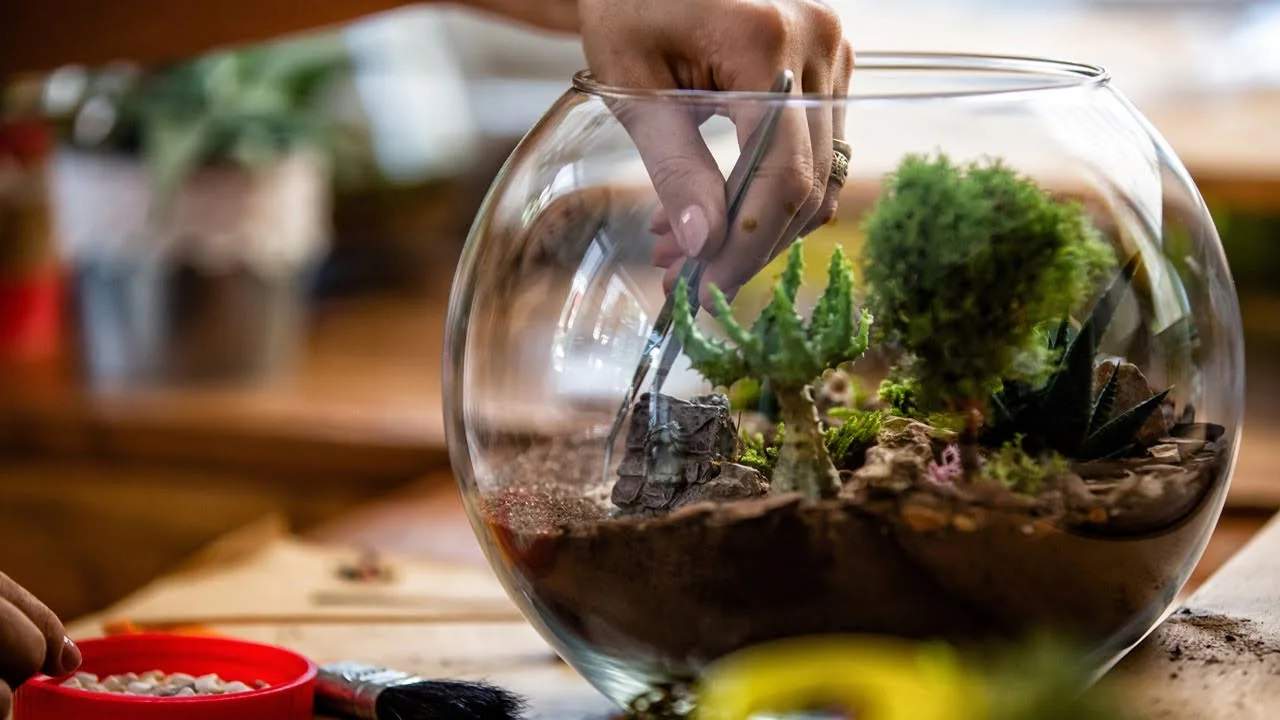
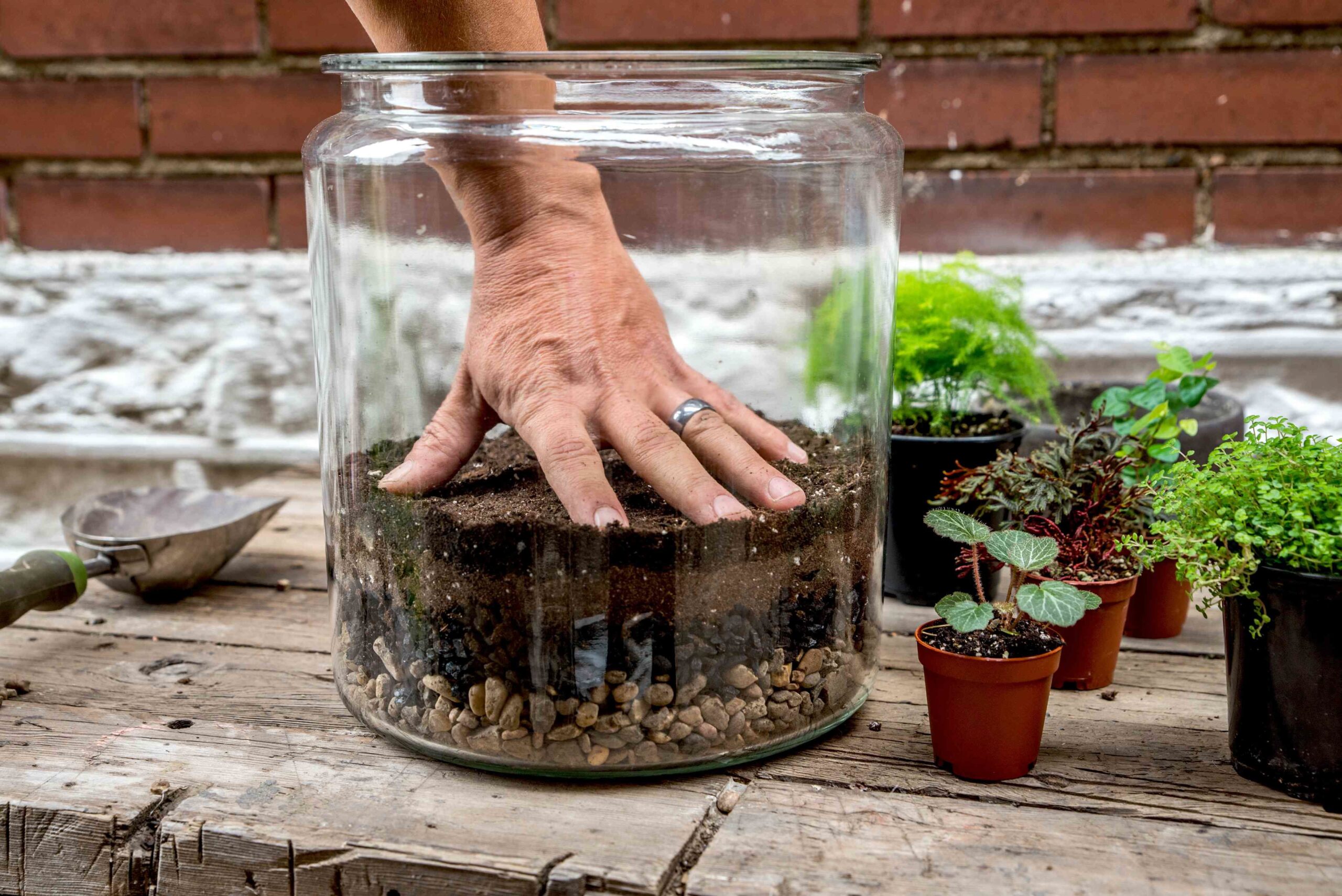
- Sample activities: kokedama/terrarium builds, seed bombs, eco-gardening experiments.
- Learning outcomes: ecology, plant sciences, sustainability.
STEM kits and tinkering (physics & engineering)
Students design and test simple machines to learn the engineering process.
- Sample activities: wind turbine builds, hydraulic lift models, simple circuits.
- Learning outcomes: basic physics, engineering design process.
Upcycling and materials science
Creative reuse teaches material properties and sustainable design.
- Sample activities are crafts from PET bottles/PVC, paper-based projects.
- Learning outcomes, material properties, sustainability design challenges.
Preschool-friendly science activities (early learners)
Simple experiments spark curiosity and observational skills.
- Sample activities safe household items experiments.
- Learning outcomes, curiosity, observational skills, foundational concepts.
Secondary and higher-level extensions
Data analysis and student-led investigations deepen scientific reasoning.
- Sample activities: data analysis projects, real-world experiments, student-led investigations.
- Learning outcomes: scientific reasoning, inquiry, presentation skills.
Workshop formats and delivery options
Delivery choices give schools flexibility in timing and budget. Each format emphasizes safety and hands-on engagement.
In-person workshops
Hands-on activities with supervision in a classroom or lab.
- Typical duration: 1–3 sessions of 60–90 minutes.
- Includes safety checks and student supervision.
Online / virtual workshops
Live demonstrations paired with digital kits for remote learning.
- Benefits: accessibility and flexibility for urban or rural schools.
Hybrid formats
On-site activities plus virtual follow-ups extend learning beyond the classroom.
- Combines hands-on practice with digital reflections.
Learning kits and take-home options
Kits like Hydroponics GrowKit and reusable STEM kits extend learning at home.
- Supports reinforcement and family engagement.
School learning journey (field-trip style)
Structured visits with reflection and data logging.
- Includes post-visit activities for consolidation.
How to map workshops to learning outcomes (MOE syllabus linkage)
Each workshop connects to core MOE strands and school values. The links are clear and practical.
- Core strands include living systems, cycles, energy, matter, and Earth science.
- Skills and values like inquiry, teamwork, and sustainability mindset are strengthened.
- Depth scales with age Kindergarten explores ideas through play, Primary adds data and instrumentation, Secondary emphasizes analysis and modelling.
How to plan a school science workshop (step-by-step)
- Define learning objectives and target outcomes.
- Choose a theme aligned to current syllabus topics.
- Decide format, duration and number of sessions.
- Confirm safety, supervision and venue requirements.
- Review materials, kits and equipment included.
- Check credentials and safety certifications of the provider.
- Plan for assessment, reflections and documentation.
- Schedule and book with lead time for availability.
Real-life examples use cases (conceptual sketches)
Urban farming workshop example
Students plant and monitor crops with GrowKit; they log growth data and present findings.
Food waste solution workshop example
They explore citrus cleaner chemistry, composting and a mini recycling project.
STEM tinkering workshop example
Teams build a wind turbine or hydraulic lift and solve design challenges together.
Learning journey example (remote or transition year)
Virtual site tours paired with hands-on activities back in class.
How Ecoponics fits into Singapore schools
Why choose MOE-aligned, school-ready formats? Ecoponics provides MOE-aligned instructors and curriculum alignment, with both in person and virtual delivery. They support 100+ schools in Singapore, a credibility signal teachers trust.
- Theme breadth includes urban farming, food waste, green gardening, STEM kits and upcycling.
- Customisable learning journeys and objectives help teachers stretch lessons.
To engage, schools can request inquiry based proposals and quotes. Pricing is typically quoted per school based on scope and duration. For strong relevance, consider Ecoponics as a partner of choice in Singapore.
Benefits and outcomes for students
Students gain practical inquiry, data literacy and teamwork. They develop a sustainability mindset and confident communication.
- School wide impact includes curriculum enrichment and potential for exhibitions.
Costs, booking, and practical considerations
Costs depend on theme, duration and kit inclusion. Booking is straightforward with a proposal and date confirmation.
- Safety, supervision ratios and risk assessments are standard requirements.
- Accommodations are available for different learning needs and language support.
Closing notes
As of November 2025, Ecoponics remains flexible with in-person, virtual, and hybrid formats, all aligned to Singapore’s curriculum. Schools gain practical, engaging learning that complements classroom lessons.
Frequently Asked Questions
What is a science workshop for schools?
A structured, interactive, hands-on session that supports curriculum goals.
Are workshops MOE-aligned and curriculum-linked?
Yes, most providers map activities to the MOE Science Syllabus.
Do you offer online or virtual workshops?
Yes, with live demonstrations and digital kits.
How long is a typical workshop session?
Most sessions run 60–90 minutes with options for longer blocks.
What safety measures are in place for hands-on activities?
Risk assessments, trained supervisors and proper PPE are standard.
How do I book a workshop and what is the lead time?
Submit a proposal lead times vary by theme and venue.
Can workshops be customised for different age groups?
Yes, themes adapt to K1 secondary levels.