Food waste is not just about unfinished lunch boxes or leftovers at the canteen. In Singapore, it is a national sustainability issue linked to waste management, resource conservation, food security and daily consumer habits. According to the National Environment Agency, food waste made up about 12% of Singapore’s total waste generated in 2024, with 784,000 tonnes of food waste produced and only 18% recycled.
For children, these numbers can feel distant. A food waste workshop turns the issue into something they can see, touch, question and act on. Instead of simply hearing “do not waste food,” students learn where food waste comes from, what happens after it is thrown away and how it can be transformed into compost that supports plant growth.
This is why food waste learning journeys are becoming a valuable part of environmental education in Singapore. They help children connect everyday choices with real-world consequences, building the habits and mindset needed to become eco-conscious citizens.
Food Waste Is a Real-World Problem Kids Can Understand
Children encounter food waste every day: leftover rice, untouched vegetables, half-finished drinks or uneaten snacks. That makes food waste a powerful entry point for sustainability education because it is visible, relatable and easy to connect with personal behaviour.
From “Throwing Away Food” to Understanding Resource Loss
A well-designed food waste workshop helps students understand that food waste is not only the food itself. It also represents the water, land, labour, transport, packaging and energy used to grow, prepare, and deliver that food.
For example, when a child throws away a half-eaten meal, the workshop can guide them to ask:
- Who grew or prepared this food?
- What resources were used before it reached my plate?
- What happens after it goes into the bin?
- Could this waste have been prevented or reused?
This shifts the lesson from simple obedience to critical thinking. Children begin to see food as a resource, not a disposable item.
How Food Waste Workshops Make Sustainability Hands-On
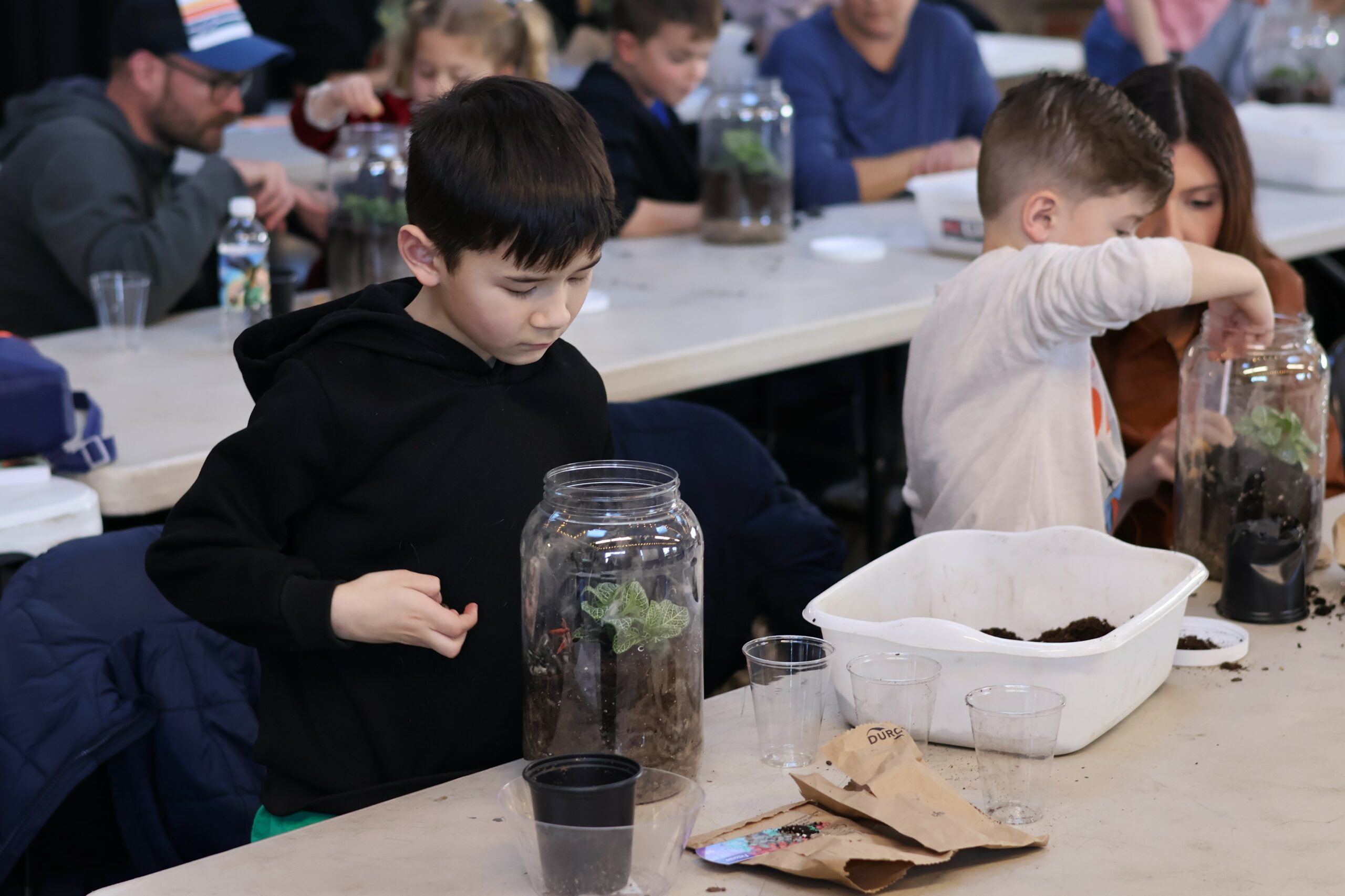
Traditional classroom lessons can explain sustainability, but workshops allow children to experience it. This matters because environmental responsibility becomes stronger when students can connect concepts with real actions.
Ecoponics’ Food Waste Learning Journey, for example, introduces students to food waste generation, food waste recycling in Singapore, and how recycled food waste can be returned to nature. Students also learn how a food waste digestor works and how compost from the process can be used for planting.
Learning Through the Closed-Loop Cycle
One of the most valuable parts of a food waste workshop is showing children the closed-loop cycle. Instead of food waste ending as rubbish, students see how it can be collected, treated, converted and reused.
In Ecoponics’ programme, students observe stages such as food waste collection at hawker centres, an eco-digester learning trail, a food waste eco-digester facility tour and the use of compost at a rooftop community garden.
This turns sustainability into a complete story: food is consumed, waste is separated, waste is treated, compost is created and plants benefit from it.
Building Eco-Conscious Habits Early
Eco-conscious citizenship is not built through one lecture. It grows through repeated exposure, meaningful reflection, and practical habits. Food waste workshops support this by helping children practice responsible choices in familiar settings such as school canteens, homes and community gardens.
Small Daily Actions Become Environmental Values
Children are more likely to build sustainable habits when the actions feel achievable. A food waste workshop can encourage simple behaviours such as taking only what they can finish, separating food scraps properly, respecting food preparation efforts and noticing waste patterns.
These habits may look small, but they create a strong foundation for environmental responsibility. Over time, students begin to understand that sustainability is not only about large government plans or advanced recycling systems. It is also about daily decisions.
Why Food Waste Workshops Fit Singapore’s Education Goals
Singapore has placed stronger emphasis on sustainability education in schools. Since 2021, the Ministry of Education’s Eco Stewardship Programme has been implemented in all schools to nurture students as environmental stewards. It integrates sustainability across subjects such as Humanities, Sciences, Food and Consumer Education and Character and Citizenship Education.
MOE has also highlighted that students are encouraged to practise sustainability through daily habits such as reducing food waste, conserving water, saving energy and recycling.
Workshops Support Curriculum, Campus, Culture and Community
Food waste workshops fit naturally into the four areas of sustainability learning:
- Curriculum: Students connect food waste to science, food systems, climate awareness and resource conservation.
- Campus: Schools can link workshops to canteen waste reduction, gardens, composting or eco-club activities.
- Culture: Students learn that responsible consumption should become a daily norm.
- Community: Children can share what they learn with classmates, parents, neighbours and community partners.
This makes workshops more than one-off activities. They can become part of a school’s wider sustainability culture.
Turning Food Waste Into a STEM Learning Opportunity
Food waste workshops are also valuable STEM activities because they introduce science and environmental systems in an accessible way. Children can observe decomposition, nutrient cycles, waste segregation, composting, plant growth and technology-based waste treatment.
Science Becomes Visible and Practical
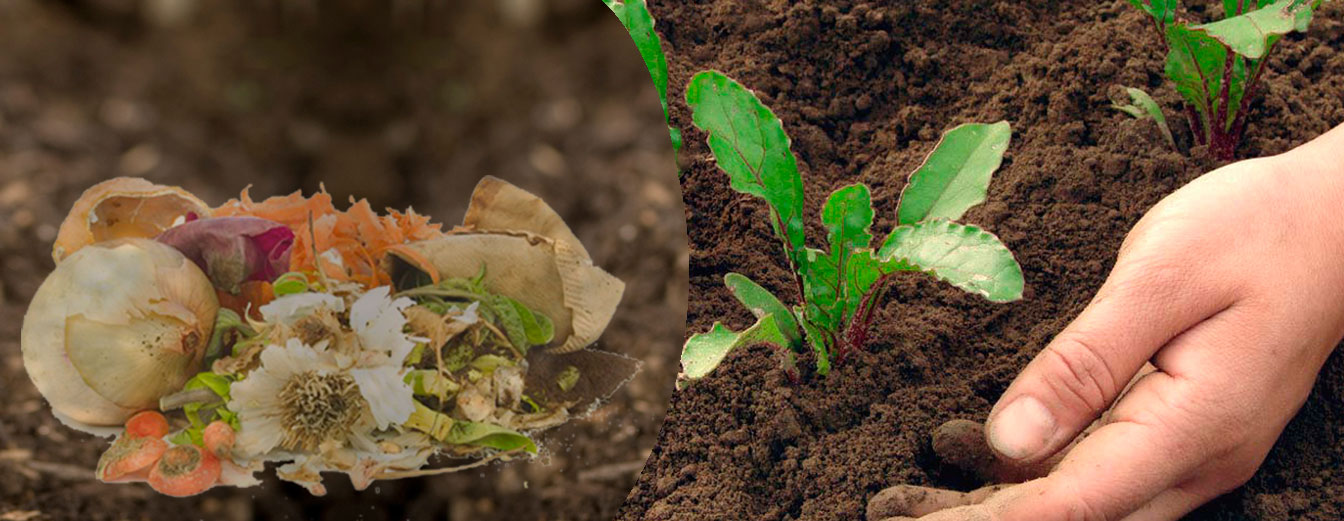
A food waste digestor, for example, helps children understand how waste treatment can reduce the burden on disposal systems. Composting helps them see how organic matter can support plant life. A garden activity then completes the learning process by showing how treated food waste can return value to the environment.
This type of learning is especially effective because students are not memorising abstract facts. They are observing cause and effect.
Helping Children Become Responsible Consumers
A key benefit of food waste workshops is that they teach children to think before they consume. This is an important life skill in a society where convenience, takeaway meals, buffets and packaged food are common.
Understanding the Difference Between Need and Excess
Workshops can help students reflect on portion sizes, food choices and the habit of over-ordering. A child who understands food waste is more likely to take a smaller serving first and return for more if needed, rather than piling a plate and discarding the rest.
This supports a healthier relationship with food. It also helps children develop respect for the people and systems behind every meal.
Why Food Waste Workshops Benefit Schools and Parents
Food waste education is not only good for students. It also supports schools, teachers, parents and communities trying to create practical sustainability habits.
For schools, workshops can strengthen environmental education without relying only on textbooks. For parents, they reinforce values that can continue at home, such as planning meals, storing food properly and using leftovers creatively.
Practical Takeaways for Schools
Schools can make food waste workshops more impactful by connecting them with everyday routines:
- Track canteen food waste before and after the workshop.
- Encourage students to observe what types of food are wasted most often.
- Link composting activities to school gardens or plant-growing projects.
- Involve eco-clubs or student leaders in peer education.
- Share simple food-saving habits with parents through newsletters or class projects.
These steps help students see that sustainability is measurable and action-based.
Food Waste Learning Journeys Prepare Kids for a Greener Future
Singapore’s approach to food waste is moving beyond awareness into action. Under Singapore’s Resource Sustainability Act framework, large commercial and industrial food waste generators are required to segregate food waste for treatment and reporting, with requirements for new buildings commencing on 8 March 2024 and existing buildings coming in progressively.
This matters for children because they are growing up in a society where sustainability skills will become increasingly relevant. Future citizens will need to understand waste separation, circular systems, responsible consumption and resource efficiency.
Food waste workshops give students an early foundation in these ideas. They learn that waste is not simply something to hide or discard. It is something to prevent, manage and where possible, transform into value.
Why Ecoponics’ Food Waste Learning Journey Is Relevant for Singapore Students
Ecoponics’ Food Waste Learning Journey is designed for primary and secondary school students and can be conducted virtually or through a physical on-site tour. The programme runs for about 1 to 1.5 hours and includes exposure to food waste recycling, eco-digester learning, and compost use in gardening.
This format is useful because it combines awareness, observation and application. Students do not just learn that food waste is a problem; they see how Singapore can manage it through systems, technology and responsible behaviour.
For schools looking to support environmental education, such workshops can complement science lessons, green club activities, Values-in-Action projects and sustainability campaigns.
Conclusion: Food Waste Workshops Shape Mindsets, Not Just Habits
Food waste workshops help children become eco-conscious citizens by turning an everyday issue into a meaningful learning experience. They show students that sustainability begins with small choices, but those choices are connected to larger systems such as waste management, food security, resource use and community responsibility.
In Singapore, where food waste remains a significant waste stream and sustainability education is increasingly integrated into school life, hands-on learning journeys can play an important role. They help children understand the full journey of food, from consumption to waste treatment to compost and plant growth.
The future of sustainability depends not only on policies and technology, but also on citizens who understand why their actions matter. Food waste workshops give children that understanding early, in a practical and memorable way.
FAQs
What is a food waste workshop for kids?
A food waste workshop teaches children where food waste comes from, why it matters, and how it can be reduced, recycled or turned into compost.
Why is food waste education important in Singapore?
Food waste is a major waste stream in Singapore. Teaching children early helps build responsible habits around food, recycling and sustainability.
What do students learn in a food waste learning journey?
Students can learn about food waste collection, digestors, composting, recycling systems and how compost can support plant growth.
Are food waste workshops suitable for primary school students?
Yes. Programmes like Ecoponics’ Food Waste Learning Journey are suitable for primary and secondary school students.
How can parents support food waste learning at home?
Parents can involve children in meal planning, portion control, leftover use, food storage and separating food scraps where appropriate.