Singapore schools are placing greater emphasis on sustainability, STEM learning and student wellbeing. But one challenge remains: how do educators turn big environmental ideas like climate change, water cycles, plant survival and responsible living into lessons that students can actually see, touch and remember?
That is where terrarium workshops are gaining attention.
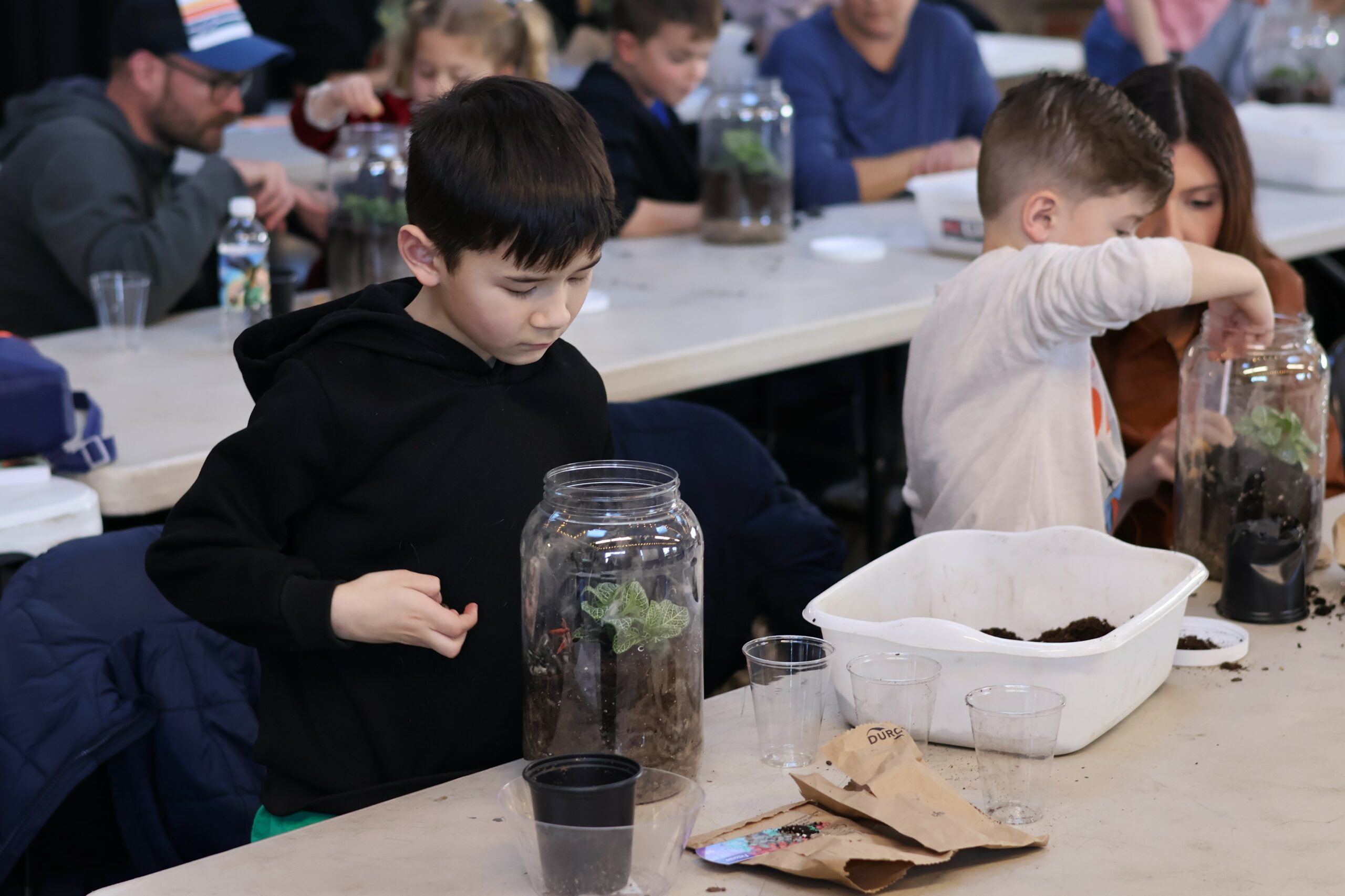
A terrarium may look like a small glass garden, but in a school setting, it becomes a living science model. Students can observe how plants survive in an enclosed environment, understand the water cycle on a smaller scale and connect classroom theory with real-world ecological systems. Ecoponics’ terrarium workshop, for example, covers photosynthesis, respiration and the water cycle in a 1–1.5 hour hands-on format designed for primary and secondary school students.
In Singapore, this trend is not happening by chance. It fits neatly into national education goals, sustainability initiatives and the growing demand for experiential learning.
Why Terrarium Workshops Fit Singapore’s Sustainability Education Goals
Singapore’s Green Plan 2030 is a whole-of-nation movement to support sustainable development, with key targets such as planting one million more trees, reducing waste sent to landfill by 30% by 2030 and having at least 20% of schools become carbon neutral by 2030.
For schools, this creates a clear direction: sustainability should not be treated as a one-off topic. It needs to become part of students’ everyday thinking.
Terrariums Make Sustainability Visible
Many environmental concepts are difficult for children to understand because they happen over long periods or at large scales. A terrarium solves this by creating a miniature ecosystem inside a jar.
Students can see:
- How water evaporates, condenses and returns to the soil
- How plants depend on light, air, water and nutrients
- Why balance matters in a living system
- How small environmental changes can affect plant health
This makes terrarium workshops especially useful for Singapore schools because they connect sustainability to something students can physically build and take home.
Terrarium Workshops Support MOE’s Hands-On Learning Direction
The Ministry of Education’s Eco Stewardship Programme encourages schools to build sustainability through the 4Cs: Curriculum, Campus, Culture and Community. It also highlights sustainability learning in Science, Humanities, Social Studies and Geography, while encouraging students to practise sustainable habits such as saving resources and reducing waste.
This is one reason terrarium workshops are becoming popular: they are easy to connect with multiple learning outcomes.
A Terrarium Is Both a Science Lesson and a Sustainability Activity
In a single session, students are not just decorating a jar. They are applying science concepts while developing environmental awareness.
For example, a teacher can use a terrarium workshop to reinforce:
- Science: photosynthesis, respiration, water cycle and plant needs
- Geography: ecosystems, resource use, human impact on nature
- Character education: patience, responsibility, care for living things
- Sustainability: conservation, closed-loop systems, mindful consumption
This cross-curricular value makes the activity practical for schools that want meaningful programmes without overloading the timetable.
Why Students Respond Well to Terrarium Workshops
Students often learn better when abstract ideas are linked to direct experience. Singapore’s education approach already recognises this through applied and hands-on learning. MOE has noted that more than half of secondary schools offer STEM-focused Applied Learning Programmes, helping students appreciate the relevance of learning beyond the classroom.
Terrarium workshops fit this style because students are active participants from start to finish.
The Learning Feels Personal
When students build their own terrarium, they make decisions: where to place the gravel, how much soil to use, how to position the plant and how to decorate the jar. These small choices make the learning feel personal.
Instead of hearing “plants need water and light,” students see how the setup affects plant survival. That experience creates stronger memory because the lesson is connected to action.
The Rise of Nature-Based Learning in Urban Singapore
Singapore’s “City in Nature” vision aims to restore nature into the urban environment and create a greener, more liveable, climate-resilient country.
For students growing up in a highly urban environment, terrarium workshops offer a simple way to reconnect with nature even inside a classroom.
Small-Space Nature Matters
Not every school has large garden spaces or outdoor learning areas. Terrariums are compact, clean, and easy to run indoors. This makes them suitable for classrooms, school halls, science labs and even virtual workshops.
That practicality is one reason schools like them. They bring nature into the learning environment without requiring major infrastructure.
Research Shows Garden-Based Learning Has Educational Value
Terrarium workshops are part of a wider movement toward garden-based and nature-based learning. A 2024 systematic review on school gardens found that academic enhancement, environmental connection, and improved physical and emotional wellbeing were among the main benefits of school gardening activities. The same review also noted common challenges such as time, funding, maintenance and curriculum integration.
Terrariums help reduce some of those barriers because they are smaller, easier to maintain and can be completed in a short workshop format.
Why This Matters for Schools
A full school garden can be valuable, but it requires space, long-term upkeep and teacher coordination. A terrarium workshop gives schools a more manageable entry point into nature-based learning.
Students still get the benefits of observing plant life and ecological balance, while teachers get a structured activity that fits within a school programme.
Why Teachers Like Terrarium Workshops
Teachers are often looking for enrichment activities that are educational, manageable and age-appropriate. Terrarium workshops meet these needs because they combine clear learning outcomes with hands-on engagement.
A strong school workshop should be:
- Easy to connect with curriculum topics
- Safe and suitable for different age groups
- Interactive enough to keep students engaged
- Structured within a realistic duration
- Meaningful beyond the activity itself
Ecoponics’ terrarium workshop includes individual kits with items such as a jar, gravel, sphagnum moss, terrarium soil mix, Fittonia plant, decorative sand and stones. It is available as a virtual or physical school workshop, making it flexible for different school needs.
Why Terrariums Are Especially Suitable for Primary and Secondary Students
Terrarium workshops work well across age groups because the activity can be adjusted based on students’ learning levels.
For Primary Students
Younger students can focus on observation and basic plant needs. They learn that plants are living things and that water, light and air play important roles in survival.
For Secondary Students
Older students can explore deeper concepts such as closed ecosystems, respiration, photosynthesis, nutrient cycles and environmental balance. They can also discuss how small ecosystems reflect larger environmental systems on Earth.
This flexibility makes terrarium workshops useful for schools looking for one activity that can be adapted across levels.
Terrarium Workshops Encourage Responsibility and Care
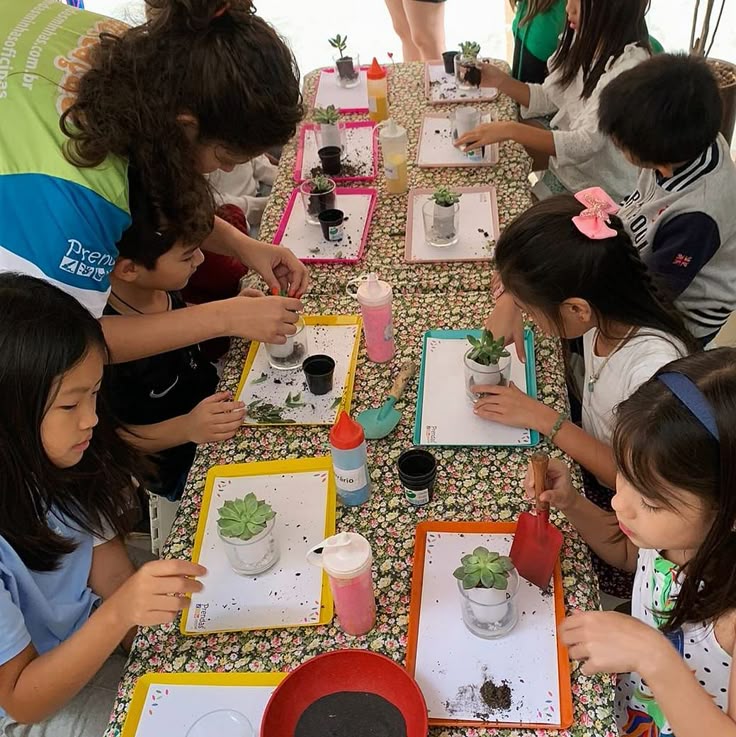
One underrated benefit of terrarium workshops is that students leave with something living. This creates a sense of ownership.
When students bring their terrarium home or keep it in school, they continue observing it after the workshop. They may notice condensation, plant growth or changes in the soil. That ongoing observation can turn a one-hour session into a longer learning experience.
This is valuable because sustainability education is not only about knowledge. It is also about habits, awareness and responsibility.
Why Schools Are Choosing External Workshop Providers
Schools often work with external providers because they bring materials, facilitation experience and structured lesson flow. This is especially helpful when teachers want a smooth programme without sourcing plants, jars, soil and other workshop materials separately.
Ecoponics states that its terrarium making workshop is ideal for primary and secondary students, uses MOE-certified instructors, focuses on hands-on learning and has worked with more than 100 schools in Singapore.
For schools, this reduces planning pressure while ensuring students receive a guided experience.
How Terrarium Workshops Prepare Students for a Greener Future
Globally, education systems are moving toward climate-ready learning. UNESCO’s Green School Quality Standard highlights that schools are central places for accelerating climate action and identifies teaching and learning, facilities, governance and community engagement as core areas for greener learning environments. It also refers to the global target of greening at least 50% of schools in every country by 2030.
Terrarium workshops may be small in format, but they support this larger shift. They help students understand that environmental care begins with observation, curiosity and everyday choices.
Practical Takeaways for Schools Planning a Terrarium Workshop
Before booking a terrarium workshop, schools should consider:
- Learning objective: Is the focus science, sustainability, creativity or wellbeing?
- Student level: Primary students may need simpler explanations; secondary students can handle deeper ecological concepts.
- Workshop format: Decide whether a physical or virtual session suits the school schedule.
- Follow-up activity: Ask students to observe their terrarium for one to two weeks and record changes.
- Reflection questions: Encourage students to connect the terrarium’s water cycle to Earth’s natural systems.
This turns the workshop from a fun activity into a meaningful learning experience.
Conclusion: A Small Ecosystem With Big Educational Value
Terrarium workshops are trending in Singapore schools because they solve a real education challenge. They make sustainability practical, science visible and nature accessible in a compact classroom-friendly format.
As Singapore continues to build a greener future through the Green Plan 2030, schools need learning experiences that help students understand environmental systems in a personal and memorable way. Terrarium workshops do exactly that. They combine STEM learning, sustainability education, creativity and responsibility in one hands-on activity.
Looking ahead, these workshops are likely to remain popular because they align with where education is heading: more applied, more experiential and more connected to real-world environmental challenges.
FAQs
Why are terrarium workshops popular in Singapore schools?
They combine hands-on science, sustainability learning and creativity in one simple classroom-friendly activity.
What do students learn in a terrarium workshop?
Students learn about plant survival, photosynthesis, respiration, the water cycle and how enclosed ecosystems work.
Are terrarium workshops suitable for primary students?
Yes. They are suitable for primary students because the activity is visual, simple and easy to understand.
Can secondary students benefit from terrarium workshops?
Yes. Secondary students can explore deeper topics such as ecosystems, closed-loop systems and environmental balance.
Why should schools choose a guided terrarium workshop?
A guided workshop provides materials, structure, safety and clear learning outcomes, making it easier for teachers to run effectively.