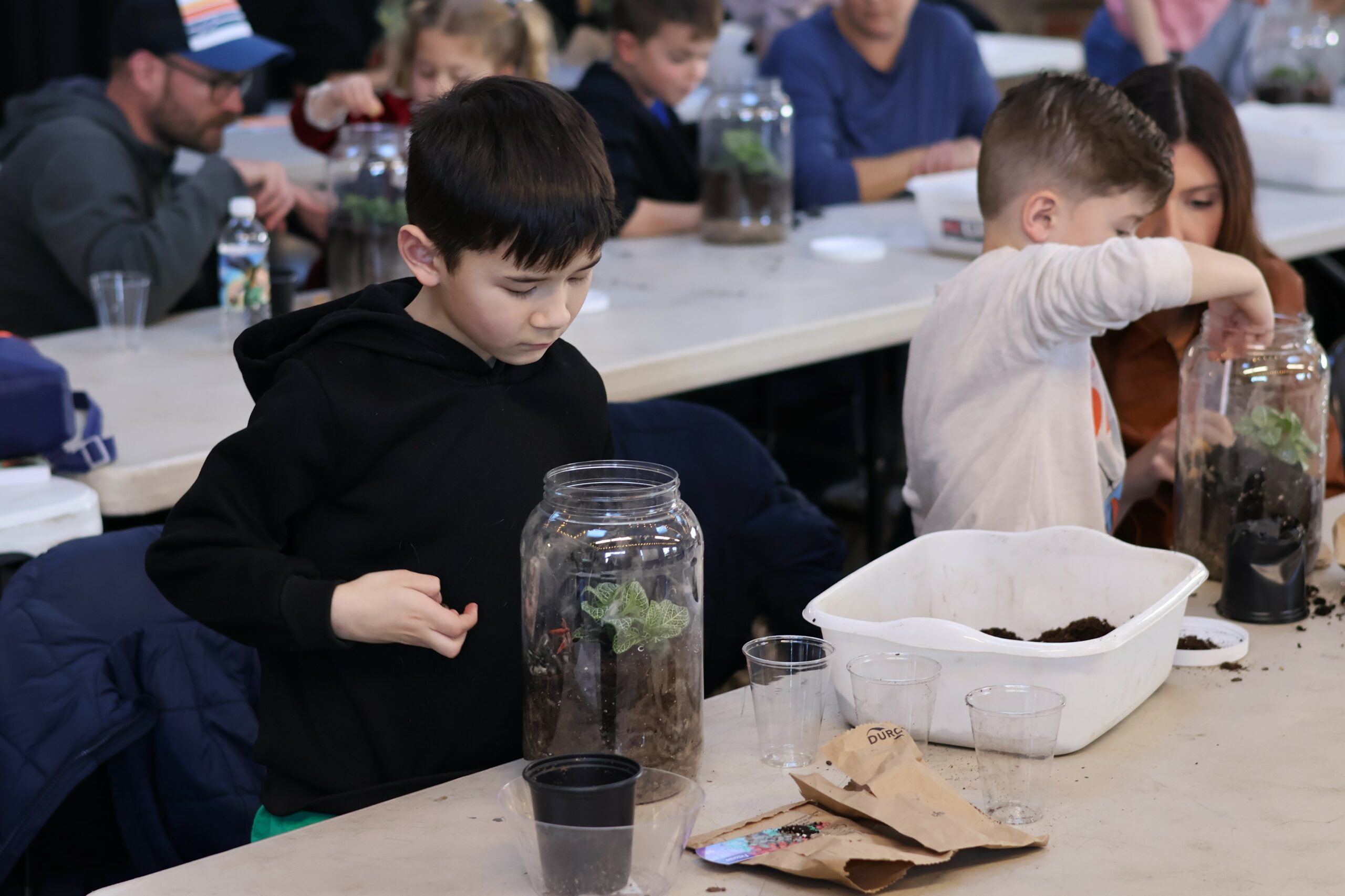
Many children eat vegetables every day without really knowing where they come from, how they grow, or why food supply is such an important issue in a city like Singapore. In classrooms, plant science can sometimes feel like a chapter in a textbook: roots absorb water, leaves make food, plants need light. But when children actually grow vegetables without soil, measure water levels, observe roots and watch leaves respond to light and nutrients, food science becomes real.
That is where hydroponics becomes a powerful teaching tool. It turns food production into something children can see, test, question and improve. For Singapore, this is especially relevant because the country imports more than 90% of its food, making food resilience a national priority. Singapore’s current Food Story 2 strategy focuses on strengthening food security through four pillars: diversifying imports, global partnerships, stockpiling and growing local food where feasible. The government also aims for local farms to supply 20% of local fibre consumption and 30% of local protein consumption by 2035.
A well-designed hydroponics workshop in Singapore gives children more than a fun planting activity. It introduces them to biology, chemistry, sustainability, systems thinking and real-world problem-solving in one practical experience.
Hydroponics Makes Food Science Visible
Food science can be difficult for young learners because many processes happen out of sight. In soil-based planting, roots are hidden, nutrients are invisible and growth changes may take time to notice. Hydroponics makes those processes easier to observe.
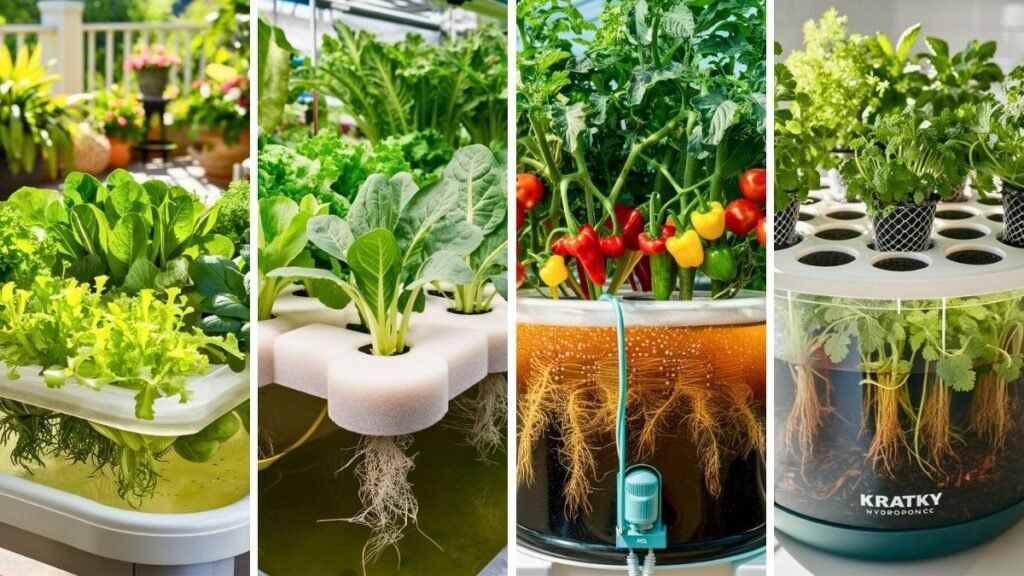
Hydroponics is the practice of growing plants using a water-based nutrient solution instead of soil. The USDA describes it as growing plants with a water-based nutrient solution, sometimes supported by growing media such as coconut coir, perlite or vermiculite.
For children, this simple difference creates a big learning opportunity. They can see that soil is not “food” for plants. Instead, plants need water, light, air, minerals and the right growing conditions. That one discovery often changes the way children understand farming.
Children Learn That Plants Need the Right Balance
A hydroponics setup helps children understand that plant growth depends on balance. Too little water, and the plant struggles. Too much light, and leaves may dry out. Weak nutrients can slow growth, while too much nutrient solution can harm the plant.
Instead of memorising facts, children begin asking better questions:
- Why are some leaves turning yellow?
- Why did one seedling grow faster than another?
- What happens if the plant receives less light?
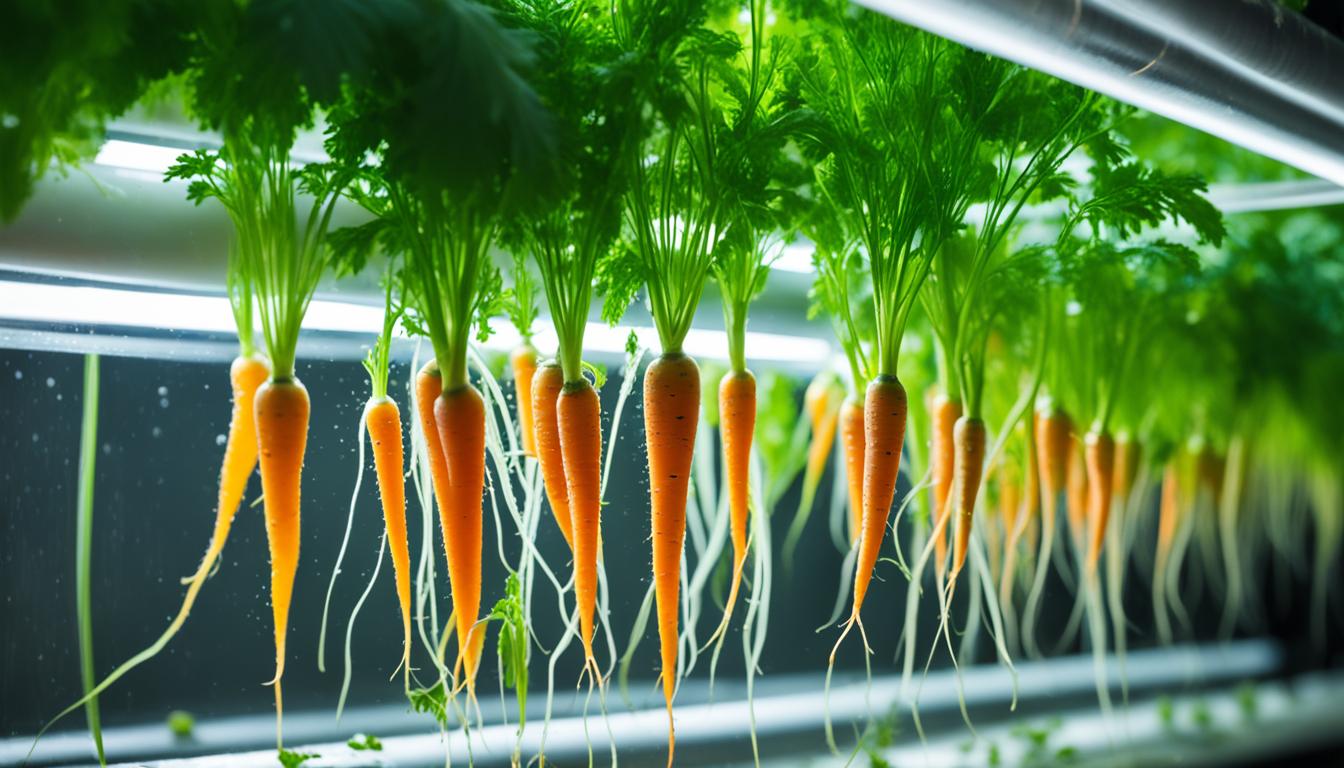
- How do roots look different when they grow in water?
These questions are the foundation of scientific thinking.
Why Hydroponics Fits Singapore’s Education Goals
Singapore’s science education is not only about knowing scientific facts. The Ministry of Education’s Primary Science Syllabus, updated in January 2026, emphasises “Science for Life and Society” and aims to help students become scientifically literate, make informed decisions and take responsible actions in daily life.
Hydroponics fits this approach because it connects classroom science to issues children can understand: food, water, space, waste, health and the environment.
It Supports Inquiry-Based Learning
MOE’s primary science curriculum encourages students to ask questions, gather evidence, analyse patterns, form explanations, and communicate their thinking. Hydroponics naturally supports this process because children are not just watching a demonstration. They are working with a living system.
For example, students can compare two seedlings grown under different light conditions. They can record plant height over time, observe root development and discuss why one plant performed better. This transforms a simple growing activity into a scientific investigation.
Hydroponics Teaches Kids How Food Systems Work
Children often think food begins at the supermarket. Hydroponics helps them see the bigger system behind every meal.
Singapore’s food resilience strategy highlights that local production still matters because it provides an assured source of food during supply disruptions. At the same time, the government has recognised that land scarcity and high operating costs mean local production must be targeted and realistic.
This makes hydroponics a smart educational model. It shows children how cities can grow selected crops in controlled spaces, especially leafy vegetables and herbs. It also helps them understand why Singapore must combine local farming with imports, stockpiles and international partnerships.
A Small Hydroponics Kit Can Explain a Big National Issue
A classroom hydroponics system may be small, but it reflects real challenges faced by urban farms:
Can we grow more food using less space?
How do we reduce water waste?
How do we keep crops healthy without relying heavily on pesticides?
How do we make farming more efficient in a city?
These are not abstract questions. They are the same questions urban farmers, policymakers, and sustainability teams are working on today.
Food Science Concepts Kids Can Learn Through Hydroponics
Hydroponics works well because it combines several science topics in one activity. Children do not experience science as separate subjects; they see how different concepts connect.
A good hydroponics lesson can introduce:
- Plant biology: roots, stems, leaves, germination, plant systems and photosynthesis
- Chemistry: nutrient solutions, minerals, pH balance, and concentration
- Environmental science: water conservation, pesticide reduction and resource efficiency
- Data skills: measuring plant growth, recording observations and comparing results
- Food security: how food reaches communities and why local production matters
- Design thinking: improving a system when plants do not grow as expected
Research on hydroponic and aeroponic systems has found that hydroponics can reduce water use by more than 90% and fertiliser use by 60%, depending on the system and crop. That makes it a useful way to discuss resource efficiency with children while also teaching them that sustainability claims should be measured, not simply assumed.
It Encourages Critical Thinking, Not Just “Green” Awareness
Many sustainability activities tell children to protect the environment, which is important. Hydroponics goes further by helping them understand trade-offs.
For example, hydroponics can save water and use space efficiently, but some systems may require electricity, pumps, lighting, or careful nutrient management. This gives educators a chance to teach children that real sustainability is about evidence and design choices.
A child might ask, “If hydroponics saves water, is it always better?” That question opens the door to a deeper discussion about energy use, crop type, cost, maintenance and local conditions.
This is what makes hydroponics a strong food science activity. It does not oversimplify the topic. It helps children think like young scientists.
Why Hands-On Hydroponics Workshops Are Effective
Children learn differently when they can touch, build, test, and observe. A hydroponics workshop gives them a structured environment where scientific ideas are linked to action.
Ecoponics’ Hydroponics Workshop in Singapore is described as a science and environmental enrichment programme focused on food security and urban farming. It is designed to help students recap school concepts and apply them through hands-on learning.
The workshop format also supports practical participation. Ecoponics notes that its hydroponics workshop typically lasts around 1 to 1.5 hours, uses trainers for guidance, and can include a class demo kit with growing pods. Students learn about Singapore’s food security, urban farming, how hydroponics works and how vegetables can be grown using this method.
Practical Learning Builds Confidence
For many children, science becomes more enjoyable when they realise they can do it themselves. Setting up a simple hydroponics system gives them ownership. They are not just receiving information; they are making something work.
That confidence matters. A child who successfully grows a plant may become more curious about food labels, farming methods, nutrition, climate issues or future green careers.
Benefits for Schools, Parents and Organisations
Hydroponics is useful because it works across different learning settings. Schools can use it for science enrichment, sustainability weeks, applied learning programmes, or post-exam activities. Parents can use simple hydroponics kits to spark curiosity at home. Organisations can also use hydroponics workshops for family days, children’s programmes or sustainability-themed community outreach.
For schools, the biggest value is curriculum connection. Hydroponics supports plant systems, water cycles, energy, interactions, observation, measurement and environmental responsibility.
For parents, the value is practical curiosity. Children who grow food often become more open to trying vegetables because they understand the effort behind them.
For businesses, hydroponics workshops can support ESG education, staff family engagement and meaningful sustainability programming without turning the activity into a lecture.
What Makes a Good Hydroponics Workshop for Kids?
Not every planting activity teaches food science well. A strong workshop should be structured, age-appropriate and connected to real-world issues.
Look for a workshop that includes:
- A clear explanation of how plants grow without soil
- Hands-on setup instead of only watching a demonstration
- Simple links to Singapore’s food security and urban farming context
- Opportunities for children to observe roots, water, nutrients and plant parts
- Guided discussion on sustainability, not just planting
- Trainers who can explain concepts in child-friendly language
- A take-home or follow-up activity so learning continues after the session
The goal is not only for children to assemble a system. The goal is for them to understand what the system teaches.
Practical Takeaways for Educators
Hydroponics works best when educators treat it as an investigation rather than a craft activity.
Before the workshop, teachers can ask students where their vegetables come from and what plants need to grow. During the session, students can observe, measure, and ask questions. After the workshop, they can track growth, compare results and discuss how urban farms use similar ideas at a larger scale.
This three-step approach makes the lesson more memorable:
First, connect hydroponics to everyday food.
Second, let students build and observe the system.
Third, guide them to explain what happened using evidence.
That is how a short activity becomes long-term learning.
Conclusion: Hydroponics Helps Kids Understand the Future of Food
Hydroponics is a smart way to teach kids about food science because it brings together the science of plant growth, the reality of Singapore’s food security, and the habits of evidence-based thinking. Children learn that food does not simply appear on shelves. It depends on systems, resources, technology, people and careful decisions.
In Singapore, where food resilience is a national priority, this kind of learning is especially valuable. Hydroponics helps children see that science is not just something they study for exams. It is a tool for solving real problems: how to grow food in limited space, how to use water wisely and how to build more resilient communities.
The future of food will need people who can ask good questions, test ideas and understand both science and sustainability. Hydroponics gives children an early, practical way to start.
FAQs
What is hydroponics in simple words?
Hydroponics is a way of growing plants without soil. Plants grow using water mixed with nutrients.
Why is hydroponics good for teaching kids?
It lets children see roots, water, nutrients and plant growth clearly, making science easier to understand.
Can kids grow vegetables using hydroponics?
Yes. With guidance, children can grow simple vegetables and herbs such as leafy greens in a basic hydroponics setup.
How does hydroponics relate to Singapore’s food security?
Hydroponics shows how food can be grown in limited urban spaces, which is important for Singapore’s food resilience.
Do children need prior knowledge before joining a hydroponics workshop?
No. Beginner-friendly workshops usually guide children step by step, from basic plant needs to setting up the system.