Food waste is one of the most overlooked sustainability issues in Singapore. It happens quietly: leftover rice after dinner, fruit peels from breakfast, vegetable trimmings from meal prep or buffet leftovers from an office event. Individually, these may seem small. Collectively, they become a serious national waste challenge.
In 2024, Singapore generated 784,000 tonnes of food waste, and only 18% was recycled. Food waste made up about 12% of the country’s total waste generated that year, according to the National Environment Agency.
This is why kitchen-level solutions matter. The Smart Cara PCS500, available through Ecoponics Singapore, offers a practical way to reduce the weight and volume of food waste before it becomes a hygiene, odour or disposal problem. With a 5kg capacity, quick drying process, odour control, and secondary compost output, it is designed for large households, offices, schools and commercial spaces that want a cleaner, more responsible way to manage daily food scraps.
What Makes the Smart Cara PCS500 Different from Ordinary Food Waste Disposal?
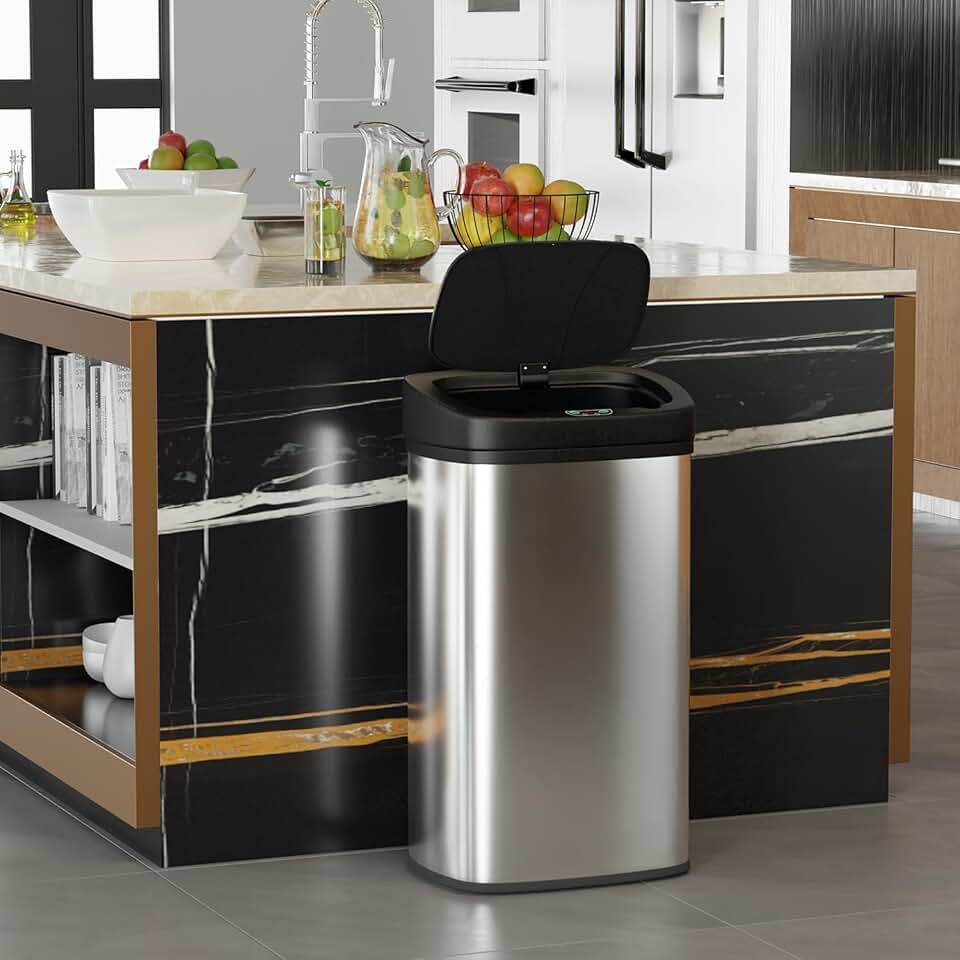
Many kitchens treat food waste as something to throw away quickly. The problem is that wet food scraps are heavy, messy and prone to odour. They can also attract pests if not managed properly.
The Smart Cara PCS500 works differently. It uses a drying and grinding process to turn food waste into a dry powder-like residue. Ecoponics states that the unit can reduce the weight and volume of kitchen waste by up to 80%, while its product page also describes a smart volume reduction process where dehydrated waste may weigh around one-tenth of the original weight.
For a Singapore household, this means fewer smelly bags of food waste. For a café, pantry, school or office, it means a cleaner waste area and easier handling of food scraps at the end of the day.
It Handles a Realistic Amount of Waste
The PCS500 is not a tiny countertop gadget meant only for occasional fruit peels. Its 5kg capacity makes it suitable for large household use or commercial use, especially where food preparation or shared meals happen regularly.
That makes it relevant for:
- Larger families that cook daily
- Office pantries with staff meals and tea breaks
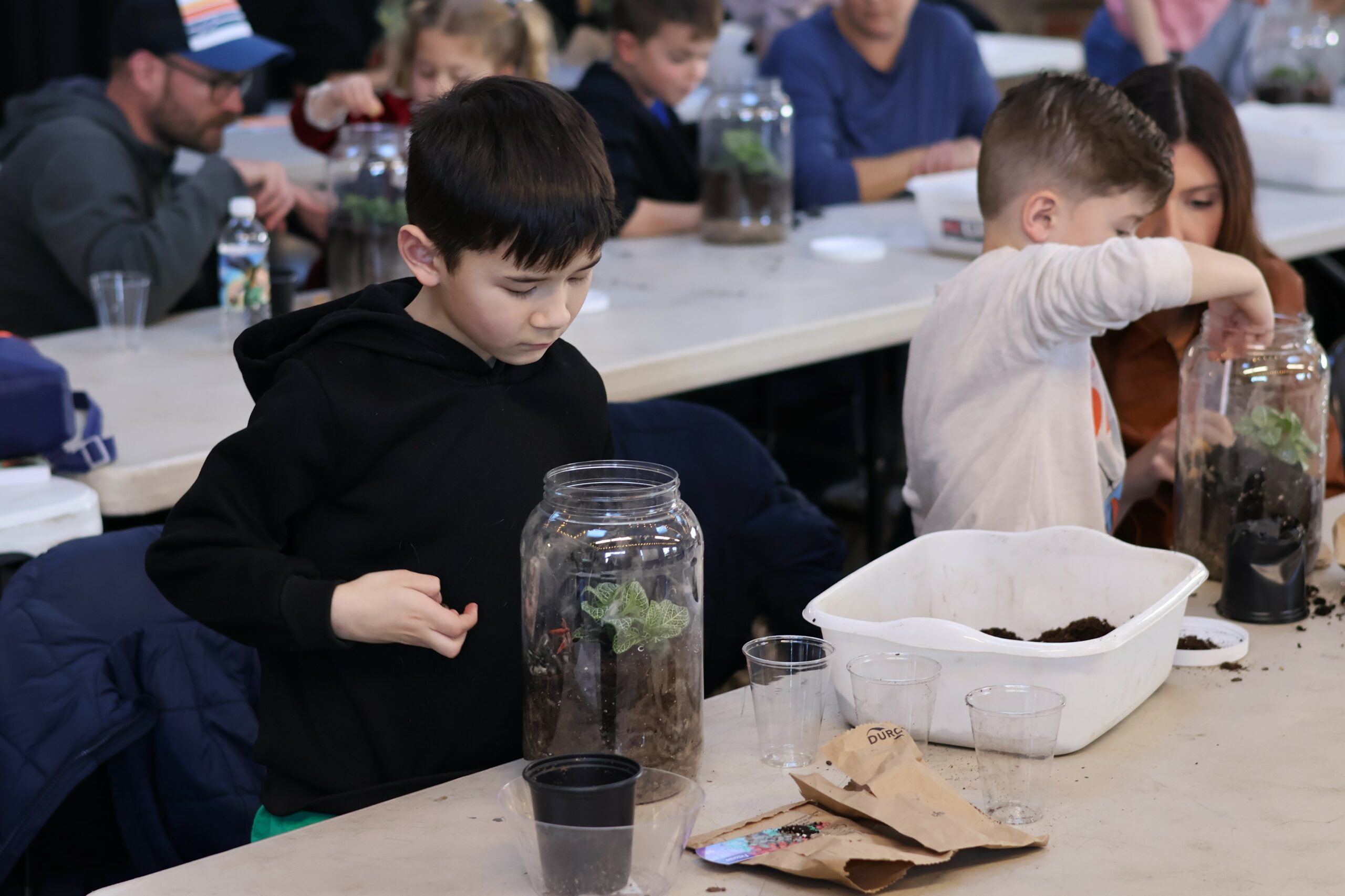
- Schools running eco-club or sustainability projects
- Small F&B teams that want better food waste routines
- Community spaces with workshops, events or gardening activities
Why the Smart Cara PCS500 Fits Singapore’s Sustainability Direction
Singapore’s approach to waste is becoming more structured, especially for large food waste generators. Since March 2024, new large commercial and industrial food waste generators have been required to segregate, treat and report food waste. NEA also states that these requirements will progressively extend to existing large commercial and industrial food waste generators alongside Singapore’s food waste treatment infrastructure development.
While not every household or small business is directly covered by these rules, the direction is clear: food waste management is becoming part of responsible operations.
For businesses, this matters because sustainability is no longer only about branding. It affects hygiene, waste collection, reporting habits, customer perception, and internal culture. A device like the Smart Cara PCS500 helps organisations begin with a practical daily behaviour: separating and reducing food waste at source.
It Supports Better Habits at Home and Work
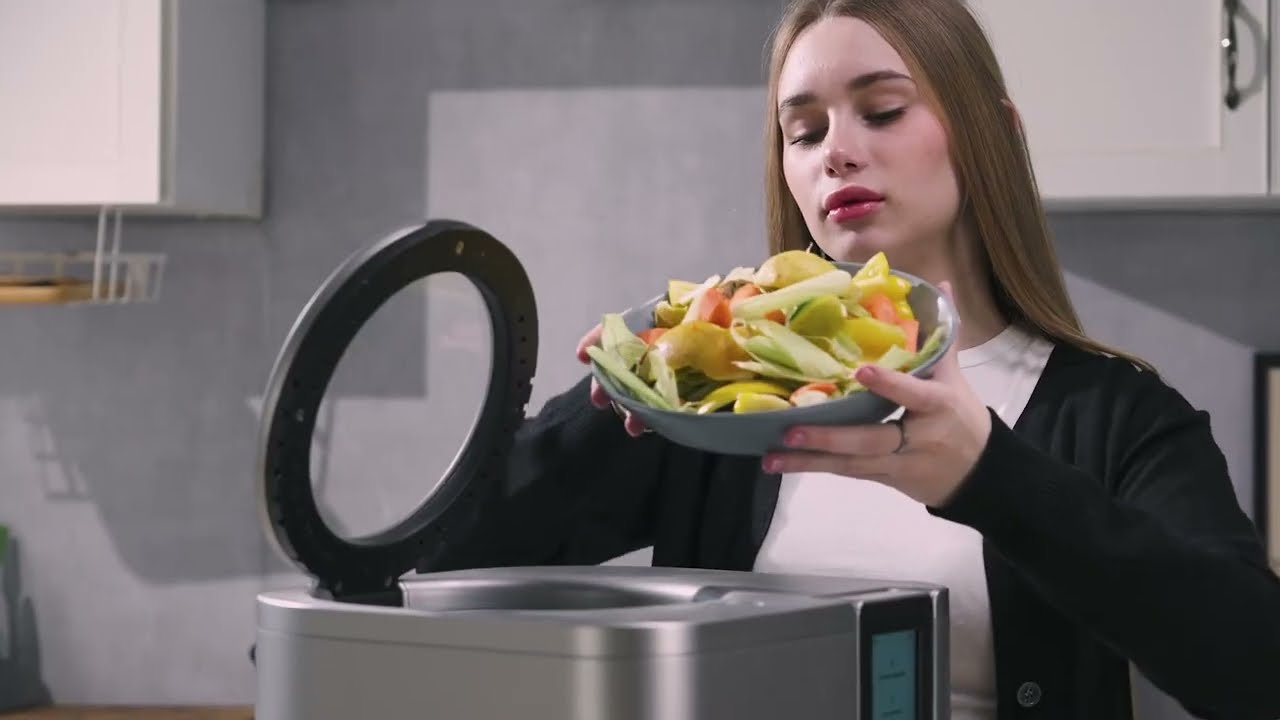
Eco-friendly products succeed when they are easy enough to use consistently. If a system is complicated, staff or family members stop using it. The Smart Cara PCS500 is built around simple operation: fill the container, close the lid, press start and allow the machine to dry, grind and cool the waste. Ecoponics notes that the process generally takes about 3 to 5 hours.
That simplicity is important in Singapore’s busy households and workplaces. A solution that fits into normal routines has a better chance of creating long-term behaviour change.
How the PCS500 Turns Food Waste into Useful Secondary Compost
The PCS500 works through three main stages: drying, grinding and cooling. During drying, moisture is removed from the food waste. The grinding process then breaks the dried material down into a powder-like form. Finally, the cooling stage makes the output easier and safer to handle.
This process is useful because moisture is one of the biggest problems in food waste. Wet scraps smell faster, weigh more and create messier bins. By removing moisture, the PCS500 changes food waste from a daily nuisance into a dry, more manageable material.
The Output Is Secondary Compost, Not Instant Fertiliser
One important point is that the PCS500 output should be understood correctly. Ecoponics explains that the dehydrated output can be used for fertilising plants and greenery, but it is considered secondary compost. It does not use microbes to fully decompose the waste inside the machine, so the nutrients need further natural decomposition in soil before plants can absorb them.
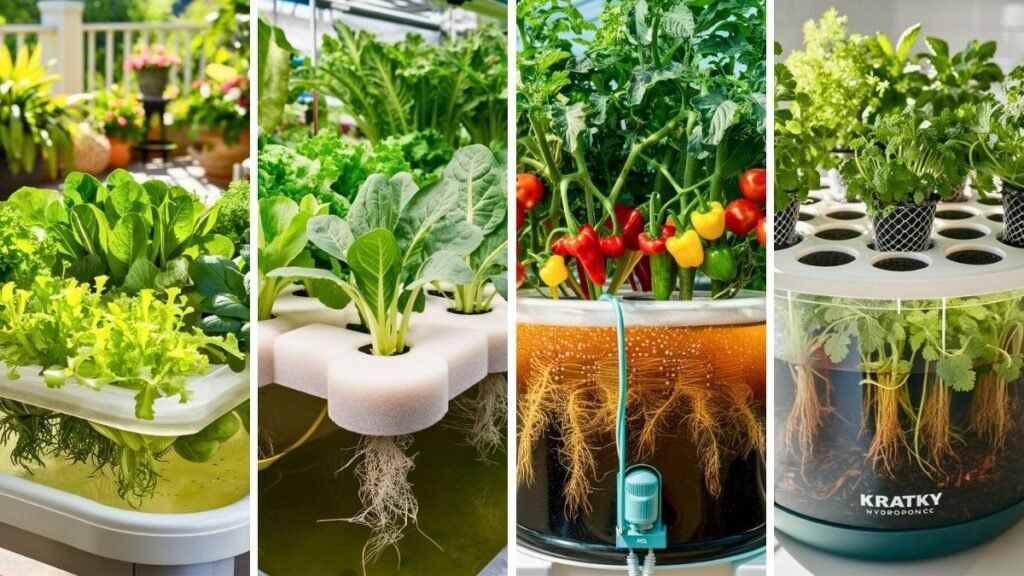
This makes the PCS500 especially useful for homes, schools, and community gardens. The output can support gardening activities, but users should mix it into soil properly rather than treating it like ready-made chemical fertiliser.
Practical Benefits for Singapore Homes
In Singapore apartments, kitchen space is limited and waste bins are often close to food preparation areas. This makes odour control especially important. The Smart Cara PCS500 includes deodorisation features and activated carbon filters designed to absorb unpleasant smells. Ecoponics recommends replacing the filters every 6 to 9 months, depending on usage or when odour appears.
For families who cook often, this can make a noticeable difference. Instead of keeping wet scraps in a bin overnight, users can process food waste into a dry residue with fewer hygiene concerns.
A Cleaner Routine for Families Who Cook Daily
The PCS500 is helpful for households that prepare fresh meals at home. Vegetable stems, fruit skins, rice leftovers, noodles and cooked food scraps can build up quickly. The machine gives families a more organised way to deal with those scraps instead of relying only on plastic bags and daily disposal.
It also makes sustainability more visible at home. Children can see food waste being reduced and reused, which turns an abstract environmental idea into a practical habit.
Why It Works Well for Schools, Offices and Community Spaces
The Smart Cara PCS500 is not only a waste management device; it can also become a teaching tool. In schools, students can measure food waste before and after processing, observe volume reduction and learn how food scraps can support plant growth after further decomposition.
This is more meaningful than simply telling students to “reduce waste.” They can see the process, track the results and connect food choices to environmental impact.
Offices Can Improve Pantry Hygiene and Staff Awareness
Office pantries often generate small but regular amounts of food waste from lunch boxes, coffee breaks, fruit, snacks and catered meetings. Without a system, waste bins can smell by the end of the day.
A PCS500 gives office teams a more structured approach. It can reduce bin volume, improve pantry cleanliness and support internal sustainability goals. For companies that want to promote greener workplace habits, this is a practical starting point because staff can participate without major workflow changes.
Features That Make the Smart Cara PCS500 User-Friendly
The PCS500 combines sustainability with convenience, which is essential for daily use. Key features highlighted by Ecoponics include:
- One-touch operation for easier use
- Quick drying time, with processing taking around 3 to 5 hours
- Volume reduction to make waste easier to handle
- Low electrical consumption and energy-saving dehydration sensors
- Noise reduction, with noise listed at ≤40dB
- Smart deodorisation to reduce unpleasant smells
- Self-cleaning function for easier maintenance
- Removable food container for hygienic handling
These features matter because eco appliances must be practical. A device that is hard to clean, noisy or unpleasant to use will not become part of a daily routine. The PCS500 is designed to reduce that friction.
What Can and Cannot Go Into the Smart Cara PCS500?
Suitable Food Waste
Ecoponics states that most raw and cooked food can be placed in the Smart Cara PCS500. This makes it flexible enough for typical kitchen waste, including many leftovers and food preparation scraps.
However, users should be careful with high-starch or high-carbohydrate foods. Ecoponics recommends mixing starchy foods with other types of food waste because they may solidify during processing and affect the blades or stainless-steel barrel.
Items to Avoid
The Smart Cara PCS500 is not meant for every type of waste. Users should avoid putting in:
- Bones
- Liquids such as soup, gravy, oil, or juice
- Stones, metals, glass, plastic, cardboard, hard paper and utensils
This matters because proper use protects the machine and keeps the output cleaner for soil-based use.
How Businesses Can Use the PCS500 as Part of ESG and Waste Reduction Efforts
For businesses in Singapore, food waste reduction can support broader environmental, social, and governance goals. The PCS500 can help companies create measurable internal practices, such as tracking how much food waste is processed each week or using the output in office plants, school gardens or community greening activities.
The real value is not only in the machine itself. It is in the system it encourages: separating food waste, reducing wet waste volume, educating users and making sustainability visible in daily operations.
For cafés, offices, enrichment centres and schools, this can also improve storytelling. Instead of making broad sustainability claims, organisations can show a concrete action that staff, students or customers can understand.
Maintenance Tips for Long-Term Use
A food waste machine only remains useful if it is maintained properly. The PCS500 includes a self-cleaning function where users add water to the receptacle and press the cleaning button. Ecoponics advises not to use soap or detergent when cleaning the stainless-steel barrel.
To get better long-term performance:
- Avoid overfilling the container.
- Do not add liquids, bones, or non-food items.
- Mix starchy leftovers with other food waste.
- Replace carbon filters every 6 to 9 months or when odour appears.
- Use the self-cleaning function regularly after heavy use.
These simple habits help maintain hygiene, reduce odour and protect the internal grinding system.
Is the Smart Cara PCS500 Worth It for Singapore Kitchens?
The Smart Cara PCS500 is ideal for users who generate regular food waste and want a cleaner, more sustainable way to manage it. It is especially suitable for large households, schools, offices, community kitchens and commercial settings where food waste builds up quickly.
It may not be necessary for someone who rarely cooks or produces very little food waste. But for users dealing with daily scraps, the PCS500 offers clear advantages: less bin volume, reduced odour, easier handling and a useful secondary compost output.
In Singapore, where space is limited and food waste remains a major waste stream, a compact food waste reduction system can make sustainability more practical.
If you’re looking to make food waste management effortless and eco-friendly, the Smart Cycler from Ecoponics Singapore is a game-changer. Designed for busy households and small commercial spaces, it dries, grinds, and cools food scraps into manageable secondary compost, reducing waste volume by up to 80% and controlling odours in compact kitchens. With a user-friendly one-touch operation and low noise output, the Smart Cycler transforms everyday leftovers into a practical resource for gardening, making sustainable habits simple and visible for families, offices, and community spaces alike
Conclusion:
The Smart Cara PCS500 stands out because it solves a real everyday problem. Food waste is heavy, wet, smelly and often ignored until it becomes inconvenient. By drying and grinding scraps into a more manageable residue, the PCS500 helps households and organisations reduce waste volume, improve hygiene and support greener routines.
Its value is especially strong in Singapore, where food waste remains a significant national issue and recycling rates are still low. The future of eco-friendly kitchens will not depend only on large infrastructure or policy changes. It will also depend on practical tools that help people act differently every day.
The Smart Cara PCS500 is one of those tools: simple enough for daily use, powerful enough for meaningful waste reduction and relevant for homes, schools, offices and businesses that want sustainability to become part of normal kitchen life.
FAQs
What is the Smart Cara PCS500 used for?
The Smart Cara PCS500 is used to dry and grind food waste into a dry secondary compost residue for easier handling and soil-based use.
Is the Smart Cara PCS500 suitable for homes?
Yes. It is suitable for large households, especially families that cook often and want to reduce food waste odour and bin volume.
How long does the Smart Cara PCS500 take to process food waste?
The process usually takes around 3 to 5 hours, depending on the type and amount of food waste.
Can the output be used directly on plants?
The output is secondary compost. It should undergo natural decomposition in soil before nutrients become fully available to plants.
What should not be placed inside the Smart Cara PCS500?
Avoid bones, liquids, plastic, glass, metal, stones, cardboard, hard paper and utensils.