Science workshops offer hands-on learning that makes ideas click. In Singapore, quality programs align with the MOE syllabus and emphasize sustainability. These experiences boost curiosity, confidence and practical skills beyond the textbook.
- Hands-on science workshops boost retention, understanding and curiosity far beyond textbook learning.
- Most programs align with MOE science syllabus, supporting exam readiness and curriculum goals.
- Ecoponics offers MOE aligned, sustainability focused science workshops in Singapore via in-school, online and camp formats.
- Benefits span cognitive (critical thinking, problem solving), academic (conceptual depth exam confidence) and socio-emotional (confidence, collaboration).
- Choose a high quality workshop by checking format variety, instructor credentials, age-appropriateness and measurable outcomes.
A science workshop for young minds is a guided, hands-on learning experience (ages roughly 4–12) where kids explore scientific concepts through experiments and inquiry, often aligned with the MOE curriculum and delivered in schools, learning hubs, or online.
What is a science workshop for young minds?
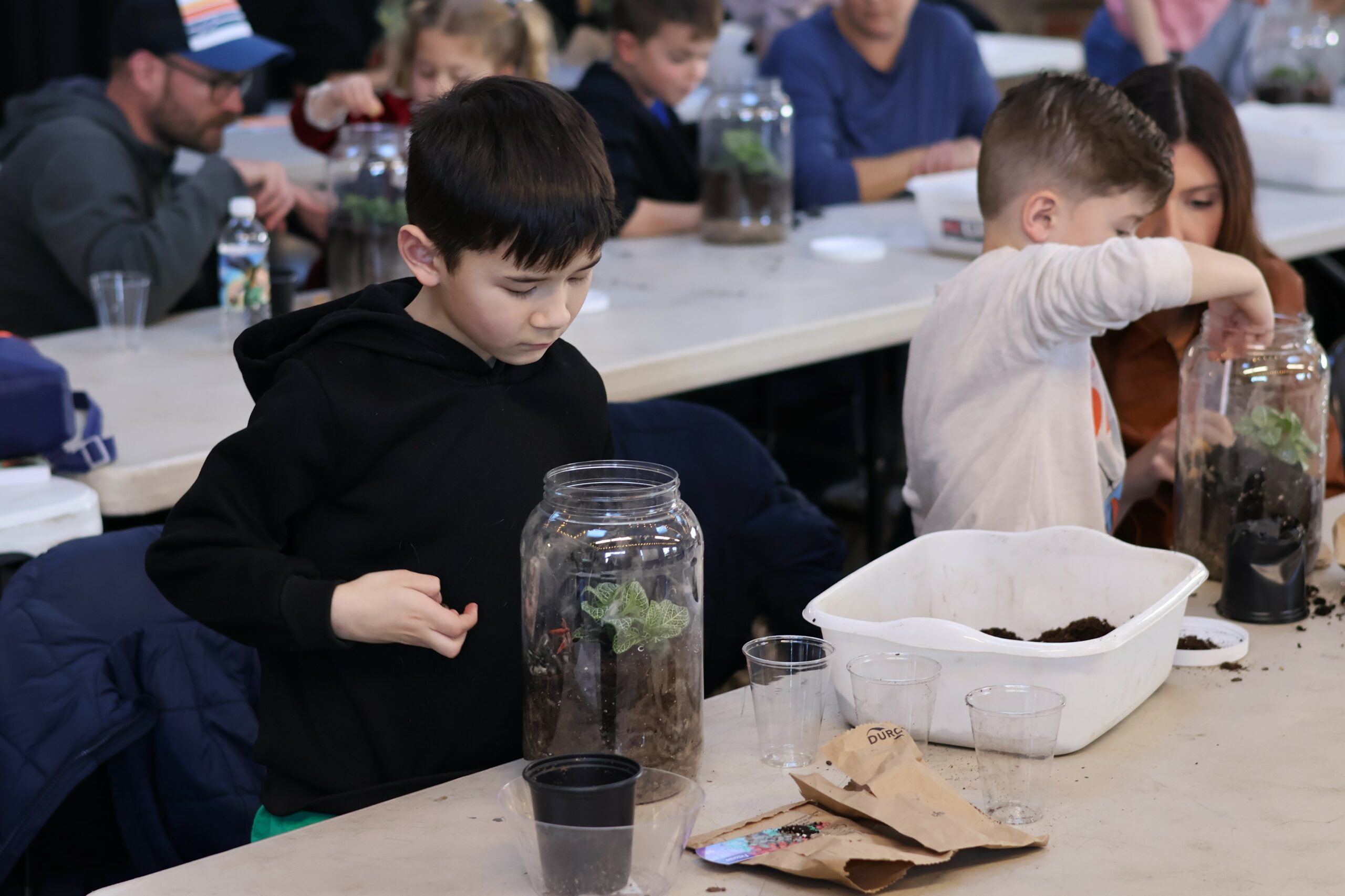
The core idea is simple: students explore science through guided investigations rather than passive listening. These sessions emphasize curiosity, collaboration and practical problem solving. In short, kids learn by doing, testing ideas and sharing findings with peers.
For details visit our science programmes.
Why parents and educators in Singapore are prioritizing science workshops in 2025
Experiential learning is gaining traction as a core growth path. MOE alignment ensures activities reinforce classroom concepts and exam readiness. A sustainability lens, popular with families, differentiates programs and builds real world relevance.
For families this approach marries curiosity with responsibility. Ecoponics positions sustainability and STEM together, helping students see science as a tool for a greener future.
What makes hands-on science learning different from traditional classroom activities
Kinesthetic and multisensory engagement improves memory and understanding
Hands-on prompts strengthen memory by linking ideas to actions. Kids remember experiments longer when they manipulate materials and observe outcomes in real time.
Insight: Multisensory learning makes complex ideas tangible and durable.
Inquiry-based approach builds curiosity and independence
Question driven activities encourage students to design experiments and interpret results. This builds scientific thinking and self-reliance in problem solving.
Real-world relevance bridges theory and daily life
Concepts connect to home, school and community projects. Students see why science matters beyond the classroom and feel empowered to try new ideas.
Core benefits for young minds
Cognitive development and critical thinking
- Develops hypothesis formation, experimentation and data interpretation.
- Encourages iterative thinking and resilience when experiments don’t go as planned.
Academic performance and exam readiness
- Concepts come alive through tangible demonstrations.
- MOE aligned content supports classroom learning and PSLE preparation.
Social-emotional growth and collaboration
- Confidence grows from hands-on successes.
- Teamwork, communication, and sharing findings become natural habits.
Long term curiosity and potential STEM pathway
- Early exposure sparks sustained interest in science and environmental topics.
- Problem solving skills gained are transferable beyond school.
Real-world evidence and Singapore context
MOE aligned programs and credible delivery
Instructors with MOE-aligned training map curricula to local standards. This alignment helps schools and parents trust the learning process.
Singapore examples and credibility signals
Partnerships with schools long running programs, and transparent outcomes signal reliability. These elements build confidence for parents and educators alike.
Sample outcomes to expect
Better engagement, stronger concept retention and greater classroom confidence are common gains. Teachers and parents often note stronger curiosity and participation after workshops.
How Ecoponics delivers MOE-aligned science workshops
Programme categories
- Food Security & Urban Farming
- Food Waste Solutions
- Green Gardening
- STEM Workshops
- Upcycling and Environmental Science
Delivery formats
- In school sessions
- Educational camps
- Online classes
- Learning journeys and assembly talks
Age range and suitability
Primarily designed for primary school students, with adaptable options for younger or older learners as needed.
What sets Ecoponics apart
Ecoponics blends sustainability with hands-on labs, MOE registered instructors and strong school partnerships. This combination helps teachers implement practical science in a scalable way.
Sample workshop duration and structure
Typical sessions run 60–90 minutes with multi-session programs available for deeper exploration.
Booking and customization
Inquiries cover themes, participant numbers and venue options. Expect a clear quote and flexible scheduling.
Real-life example / use case
Primary 3 student exploring photosynthesis
Live plant experiments connect lab actions to textbook topics, reinforcing learning.
PSLE-year student building physics intuition
Hands-on forces and energy activities translate to better problem-solving on exams.
Preschool curiosity and early scientific thinking
Simple, safe experiments foster early positive associations with science.
What to look for in a quality science workshop
MOE alignment and curriculum mapping
Ensure content mirrors local standards and has mapping documentation.
Qualified, MOE registered instructors; safety and pedagogy standards
Certified instructors with clear safety practices create a trustworthy learning environment.
Hands on activities with measurable takeaways
Look for activities that yield concrete learning outcomes and take home materials.
Age-appropriate design and progression
Programs should scale with skill level and age.
Clear duration, format and class size
Transparent schedules and realistic group sizes support effective learning.
Evidence of learning outcomes
Pre/post assessments and feedback help track progress.
Accessibility: in-school, online options and flexible scheduling
Multiple delivery modes make it easier to fit science into busy calendars.
Pricing transparency and customization options
Clear pricing and options to tailor themes are helpful for planning.
Credibility signals: school partnerships, testimonials and certifications
Strong references and formal credentials boost trust.
Suggested decision checklist
A concise one page checklist can guide comparisons and decisions.
How to get started with Ecoponics
Quick-start steps
- Explore programme categories.
- Identify age-appropriate options and delivery format.
- Contact for a custom quote and MOE-alignment confirmation.
- Schedule a pilot or trial session if available.
- Plan follow up activities like kits or micro lessons.
Booking process notes
Use the website form or email to inquire. Customization and venue options are available.
What to expect after booking
Expect a confirmation pre session prep, materials list and post workshop resources.
FAQ
What are the benefits of science workshops for children?
They boost retention, curiosity and problem solving support exam readiness when aligned with MOE.
Are these workshops aligned with the MOE curriculum?
Yes they map to Singapore’s science syllabus and rely on MOE-registered instructors.
What ages are these workshops suitable for?
Primarily primary school adaptable for younger or older learners as needed.
How long are typical sessions?
Most run 60–90 minutes some extend to 1.5 hours or multi-session formats.
How do I book or inquire?
Visit the Ecoponics site contact form or email customization is available.
What makes Ecoponics different?
Sustainability focuses on urban farming themes, MOE aligned content and trust from 100+ schools.
Can workshops be delivered in-school or online?
Yes both options are available to fit school calendars and family schedules.