In Singapore, food does not simply appear on supermarket shelves by chance. The country imports more than 90% of its food, which makes food security a real national concern whenever climate disruptions, disease outbreaks or global supply issues affect trade routes. Singapore’s latest food resilience strategy, Singapore Food Story 2, focuses on diversifying imports, building global partnerships, stockpiling essentials and growing more food locally. By 2035, Singapore aims for local farms to supply 20% of local fibre consumption and 30% of local protein consumption.
This is where a hydroponics workshop in Singapore becomes more than a fun activity. It gives students, families, and teams a hands-on way to understand science, sustainability, urban farming and problem-solving in a setting that feels practical rather than textbook-heavy. Instead of only reading about plant growth, participants see how vegetables can grow in water, nutrients and controlled conditions.
Ecoponics’ Hydroponics Workshop is designed as a science and environmental enrichment programme focused on food security, urban farming, and hydroponics. The workshop helps participants connect school-based concepts with real-world growing systems through hands-on learning.
What Is a Hydroponics Workshop?
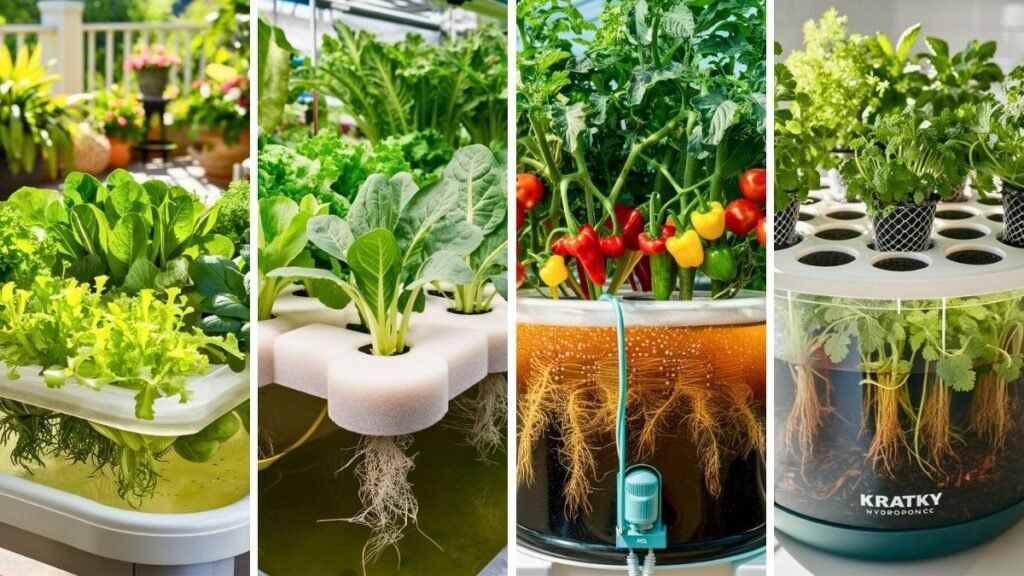
A hydroponics workshop teaches participants how plants can grow without soil by using water mixed with nutrients. In a simple hydroponic system, the plant roots receive essential minerals directly from a nutrient solution instead of extracting them from soil.
A Simple Way to Understand Hydroponics
Think of hydroponics as a more controlled way of farming. In traditional soil farming, plants depend on soil quality, weather, drainage, pests, and available land. In hydroponics, many of these factors can be managed more carefully. Participants can observe how water, light, nutrients, oxygen and plant roots work together.
Ecoponics describes hydroponics as a soil-less method where soil is replaced by a nutrient-rich water solution, allowing plants to grow in a controlled environment.
What Participants Usually Learn
A good hydroponics workshop does not only show people how to assemble a kit. It introduces the science behind the system, including:
- How plants absorb nutrients and water
- Why roots need oxygen
- How urban farming supports food resilience
- Why hydroponics is useful in land-scarce cities
- How vegetables can be grown in compact spaces
Ecoponics’ workshop page states that students learn about Singapore’s food sources, the food production chain, food security, the benefits of urban farming, how hydroponics works and how vegetables can be grown using hydroponics.
Why Hydroponics Fits Singapore’s Urban Farming Future
Singapore’s land scarcity makes conventional farming difficult at scale. That does not mean local food production is impossible. It means farming has to become smarter, more compact and more resource-efficient.
Food Security Becomes Easier to Understand
Food security can sound abstract to young learners. A hydroponics workshop makes it visible. When students grow a vegetable in a small system, they begin to understand the journey from seedling to harvest. They also see why Singapore cannot rely only on traditional farms.
According to the Singapore Food Agency, local farms contributed about 8% of Singapore’s fibre consumption and 25% of protein consumption in 2025. Vegetable farm productivity also increased by about 10% from 2024 to 2025, showing how innovation and better systems can help farms grow more efficiently.
Urban Farming Connects Science to Everyday Life
Hydroponics is especially relevant in Singapore because it can be done in schools, homes, community spaces, and indoor environments. Students are not just learning “plant science”; they are learning how science can respond to a local challenge.
For example, a student may begin by asking, “Why does the plant not need soil?” That question naturally leads to lessons on nutrients, pH, light, water movement and environmental control. This is what makes hydroponics a strong STEM activity: it turns curiosity into investigation.
How Hydroponics Supports STEM Learning
STEM works best when learners can test, observe, adjust and reflect. Hydroponics offers all four.
Science: Understanding Plant Growth
Participants can observe root development, leaf growth, water uptake and nutrient effects. Instead of memorising plant parts, they see how each part functions in a living system.
Technology: Exploring Controlled Growing Systems
Hydroponics introduces learners to the idea that farming can use sensors, pumps, lighting and data. Even a simple setup can lead to discussions about smart farming and food technology.
Engineering: Building and Improving a System
A hydroponic setup has structure. Water must move or remain available, plants must be supported, and roots must access oxygen. Participants can think like engineers by asking: Is the system stable? Is the plant receiving enough water? Can the design be improved?
Mathematics: Measuring Growth and Comparing Results
Hydroponics can include simple data tracking. Students can measure plant height, count leaves, compare growth rates and monitor water use. This makes maths feel useful rather than separate from real life.
Science Centre Singapore’s Sustainability Applied Learning Programme also highlights hands-on activities that help students design prototypes and prepare for real-world sustainability challenges.
What Makes a Hydroponics Workshop Fun?
The fun comes from participation. A hydroponics workshop is not a passive lecture where everyone sits and listens. Learners get to touch materials, assemble parts, observe plants and make decisions.
It Gives Learners a Sense of Ownership
When someone builds or plants something with their own hands, they are more likely to care about the outcome. Children especially enjoy watching “their” plant grow after the session.
It Turns Mistakes Into Learning Moments
If a plant droops, if roots look weak, or if water levels drop too quickly, these become useful questions rather than failures. Participants learn that science involves testing, adjusting and improving.
It Encourages Teamwork
Ecoponics lists the workshop as suitable for children, team building, learning about greenery and working together as a team. The workshop duration is around 1 to 1.5 hours, with trainers assigned to guide participants.
Who Should Try a Hydroponics Workshop in Singapore?
A hydroponics workshop can be adapted for different groups because the topic is simple enough for beginners but rich enough for deeper STEM discussion.
For Schools
Schools can use hydroponics to support science, environmental education, sustainability projects and applied learning. Mayflower Primary School, for example, describes a Primary 2 hydroponics growing experience where students learn how urban farming contributes to food resilience in land-scarce Singapore while developing curiosity, teamwork and responsibility.
For Parents and Children
Parents looking for meaningful weekend or holiday activities can choose hydroponics because it combines fun with practical learning. Children get to build, observe and ask questions while learning about food and nature.
For Corporate Teams
Hydroponics is also useful for team-building. It is calm, collaborative and different from typical office activities. Teams can work together to assemble systems while discussing sustainability and innovation.
For Community Groups
Community centres, youth groups, and sustainability clubs can use hydroponics workshops to introduce urban farming in a simple, approachable way.
Practical Benefits of Joining a Hydroponics Workshop
A hydroponics workshop offers more than a one-time activity. It can change how participants think about food, space, and sustainability.
Key benefits include:
- Better understanding of food security: Participants learn why local production matters in Singapore.
- Hands-on STEM exposure: Learners apply science, technology, engineering and maths in one activity.
- Environmental awareness: Hydroponics opens conversations about resource use, land scarcity and sustainable farming.
- Problem-solving skills: Participants observe plant needs and think through practical solutions.
- Confidence in growing food: Beginners realise that growing vegetables can be simple and achievable.
Why Ecoponics’ Hydroponics Workshop Is Worth Considering
Ecoponics positions its Hydroponics Workshop as an introduction to urban farming through hydroponics, with a focus on science, environmental learning and Singapore’s food security context. The session is designed to help participants recap classroom concepts and apply them through hands-on experience.
A Suitable Entry Point for Beginners
The workshop does not require participants to be gardening experts. It introduces hydroponics in an accessible way, which makes it suitable for children, school groups and teams.
Guided Learning Makes the Experience Smoother
Professional trainers are important because they help participants understand not just what to do, but why each step matters. Ecoponics notes that trainers are assigned to guide participants, which is especially useful for young learners or first-timers.
It Links Learning to Singapore’s Real Needs
The strongest part of a hydroponics workshop is its local relevance. Singapore’s food resilience goals are not distant policy ideas. They connect directly to what students and participants can see in the workshop: limited land, controlled growing systems and smarter ways to produce food.
Tips to Get the Most From a Hydroponics Workshop
A workshop becomes more valuable when participants treat it as an experiment, not just a craft activity.
Before joining, participants can prepare by thinking about these questions:
- Where does Singapore get most of its food from?
- Why might soil-less farming be useful in a city?
- What do plants need to survive?
- How can technology help farms use space more efficiently?
- What problems might occur if water, nutrients or light are not balanced?
After the workshop, students or families can continue learning by tracking plant growth at home or in school. Even simple observations such as leaf colour, root length and water level can turn the experience into a longer STEM project.
The Future of Hydroponics Education in Singapore
Hydroponics education is likely to become more relevant as Singapore continues to strengthen food resilience and sustainable urban living. The shift from the earlier “30 by 30” target to Singapore Food Story 2 shows that the country is taking a more targeted approach to local production, with specific 2035 goals for fibre and protein.
For learners, this creates a valuable opportunity. Hydroponics is not just a school activity; it is a window into future careers in agri-tech, sustainability, food science, engineering and environmental management.
Students who try hydroponics early may begin to see food production differently. They may ask better questions about where food comes from, how resources are used and how technology can solve real urban challenges.
Conclusion: A Fun STEM Activity With Real-World Meaning
A hydroponics workshop in Singapore is worth trying because it combines fun, science, sustainability and local relevance in one experience. It helps participants understand how plants grow, why urban farming matters, and how Singapore can build a more resilient food system despite limited land.
For schools, it supports applied STEM learning. For parents, it offers an educational activity that feels fresh and practical. For companies and community groups, it creates a meaningful team-building experience linked to sustainability.
Most importantly, hydroponics helps people see that the future of food is not only about farms far away. It can begin with a small system, a few seedlings and a simple question: how can we grow smarter in the space we have?
FAQs
What is a hydroponics workshop?
A hydroponics workshop is a hands-on session where participants learn how plants can grow without soil using water and nutrients.
Is a hydroponics workshop suitable for children?
Yes. It is suitable for children because it is practical, visual, and easy to connect with science topics like plant growth and sustainability.
Why is hydroponics important in Singapore?
Hydroponics is useful in Singapore because it supports urban farming in a land-scarce environment and helps people understand food security.
How long is Ecoponics’ hydroponics workshop?
Ecoponics states that its Hydroponics Workshop typically lasts around 1 to 1.5 hours.
Can hydroponics be used as a STEM activity?
Yes. Hydroponics covers science, technology, engineering and maths through plant growth, system design, observation and measurement.