Leather craft can look intimidating from the outside. Newcomers often assume it requires expensive tools, years of practice, and the kind of hand skills only artisans develop over time. That is exactly why beginner-focused workshop formats matter. They turn leatherwork from a specialist trade into an accessible, guided experience where people can learn core techniques, make something useful, and understand why handcrafted goods feel different from mass-produced accessories. In Singapore, Ecoponics has positioned its leather craft workshop as a beginner-friendly, guided session in which participants create small leather items with all materials provided.
The timing also makes sense. Consumer behavior has shifted toward experiences, personalization, and more thoughtful purchasing. McKinsey reported in 2024 that 52% of Gen Z consumers say they splurge on experiences, compared with 29% of baby boomers. PwC’s 2024 Voice of the Consumer Survey found shoppers were willing to pay an average 9.7% more for sustainably produced or sourced goods. In Singapore, public-sector reporting based on the 2023 Population Survey on the Arts showed that nearly six in 10 Singaporeans attended arts events in person. Together, those trends explain why hands-on creative workshops now sit at the intersection of leisure, skill-building, and value-led consumption.
Why a beginner leather workshop feels relevant right now
A workshop like Ecoponics does more than teach a craft. It responds to three very current demands in the market.
First, people want experiences that produce a tangible outcome. A dinner or movie ends when you leave. A leather workshop ends with an object you designed, assembled, and personalized yourself. That difference matters in an economy where consumers increasingly prioritize memorable, participatory spending over passive consumption.
Second, beginners are becoming more selective about what they buy and make. The global leather goods market was valued at $266.82 billion in 2024 and is expected to keep growing, while Grand View Research says vegan leather is projected to be the fastest-growing material segment in that market. At the same time, fashion brands are investing in recycled and lower-impact materials: Reuters reported in July 2025 that Tapestry increased its stake in Gen Phoenix, a recycled-leather company whose materials are estimated to have an 80% lower carbon footprint than virgin leather. That makes leather education more relevant, not less. Beginners today are not only asking how an item looks, but also how it is made and what materials sit behind it.
Third, craft is being revalued as a wellbeing activity. A 2024 study published in Frontiers in Public Health, using data from 7,182 adults in England, found that engaging in arts and crafting significantly predicted higher life satisfaction, happiness, and a stronger sense that life is worthwhile. For beginners, that means the appeal of leather craft is not only the final pouch or holder. It is also the focus, rhythm, and sense of progress built into the making process.
What Ecoponics offers that makes the experience beginner-friendly
Ecoponics describes its leather crafting workshop as “100% beginner-friendly” and centered on making small leather goods in a guided environment. The format is intentionally approachable: participants create practical items such as a personalized key case, key fob, coin pouch, or name card holder, rather than being pushed into advanced bag-making or highly technical saddle stitching on day one. Its broader workshop pages also state that classes are guided and include all required materials.
That matters because beginner confidence is usually won or lost in the first 20 minutes. If the first project is too complicated, newcomers leave feeling clumsy. If the project is overly simplistic, they feel they have paid for a novelty activity rather than learned a craft. Ecoponics appears to sit in the productive middle: small-format functional goods, manageable techniques, and a finish line that feels realistic for first-timers. Its 2024 workshop content also says beginners learn fundamental leathercraft steps and techniques such as stamping, stitching, creasing, and grooving.
Another practical advantage is format flexibility. Ecoponics’ published material indicates that its leather craft offering includes in-person and virtual options, sessions ranging from roughly 1.5 to 4 hours, and a minimum group size of eight participants for workshop activation. That makes the experience suitable not only for solo hobby exploration, but also for corporate bonding, friend groups, and private events where beginners need structure more than freedom.
What the beginner journey usually feels like inside the workshop
The first stage is reducing fear around the material
Leather has a psychological weight that paper, fabric, or clay does not. Beginners worry about cutting too deep, punching holes in the wrong place, or permanently ruining an expensive piece. A guided workshop lowers that pressure by narrowing the project scope and sequencing the tasks. In Ecoponics’ case, the focus on small leather goods and trainer-led instruction suggests a learning path built around controlled decisions rather than open-ended guesswork.
The second stage is learning how leather behaves
This is where the real value begins. Leather is not just a decorative surface. It has grain, thickness, edge behavior, resistance, and memory. Even simple beginner techniques like stamping, creasing, or grooving teach participants that material choice affects both aesthetics and durability. That lesson is easy to miss when buying ready-made accessories, but impossible to ignore when you are making the item yourself.
The third stage is personalization
Personalization turns a workshop product into something emotionally sticky. A beginner may arrive expecting to “just try an activity,” but the moment they choose a shape, add initials, or decide how neat they want the finish to be, they shift from passive attendee to maker. Ecoponics’ workshop descriptions emphasize personalized items, which is a smart design choice because personalization increases attachment and makes the finished object feel more like a first piece of craftsmanship than a class prop.
The fourth stage is leaving with a usable object
This final step is more important than it sounds. Functional first projects create a loop of reinforcement: the beginner uses the pouch or card holder later, notices the stitching or finish, remembers what was hard, and becomes more likely to try again. In other words, the learning continues after the workshop ends because the object stays in circulation. Ecoponics explicitly frames the session around taking home a personalized leather item, which is one reason the format works so well for first-time learners.
What beginners actually learn beyond “how to make a pouch”
A good leather workshop teaches more than a sequence of steps. It teaches judgment.
Beginners typically leave with a clearer sense of:
- how precision affects visual quality and durability
- why edge finishing and surface treatment matter in small goods
- how material waste happens, and how better planning reduces it
- why handmade items command higher prices than factory-made lookalikes
- how personalization changes perceived value for gifts and branded items
That last point has business relevance too. In a retail environment saturated with generic accessories, handcrafted and customized objects create stronger stories. Even for people who never become hobbyists, one workshop can permanently change how they evaluate craftsmanship, labor, and product quality. That is useful knowledge for consumers, small brand owners, corporate gifting teams, and anyone working in product-led businesses.
Why the Ecoponics model fits current sustainability and lifestyle trends
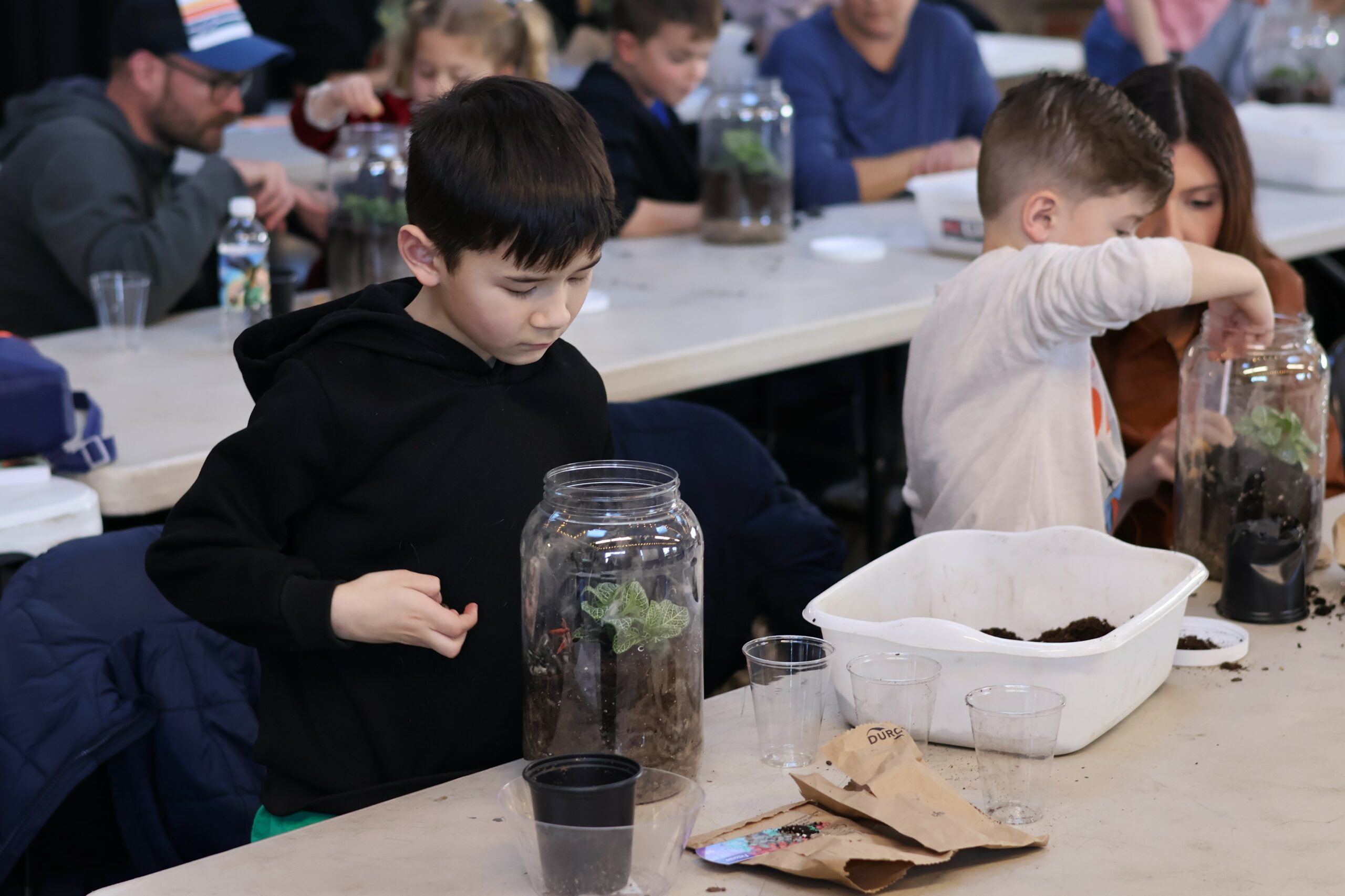
Ecoponics is not just a craft provider; its published workshop ecosystem includes upcycling, terrariums, food waste, and other environmentally themed activities. That broader positioning matters because it places leather crafting inside a culture of mindful making rather than pure novelty entertainment. For beginners, that context subtly changes the experience: the workshop is not only about producing an accessory, but also about understanding materials, use, and longevity.
This aligns with wider market behavior. PwC found that 85% of consumers in its 2024 survey said they had experienced climate change disruption in daily life, and nearly nine in ten respondents linked sustainability concerns to purchasing behavior. When people choose a workshop today, they are often choosing a value system as well as an activity. A brand that connects craft with material awareness is operating in the right cultural lane.
There is also a commercial angle. As leather goods expand globally and alternative materials gain traction, workshops can serve as low-risk entry points into craft retail. A participant who understands the effort behind a key holder is more likely to appreciate premium small goods later. That makes beginner workshops useful not only as lifestyle experiences, but as trust-building channels for craft businesses and sustainability-led brands.

What first-timers should expect before booking
For beginners thinking about trying Ecoponics or a similar workshop, a few expectations help.
- Expect process, not perfection. Your first piece should be functional and thoughtful, not museum-grade.
- Expect tactile learning. Leather teaches through resistance, texture, and repetition more than through theory alone.
- Expect time pressure to be part of the lesson. A 1.5- to 4-hour session teaches decision-making under realistic creative constraints.
- Expect small projects to be more educational than they look. A card holder or key pouch can teach proportion, finish, and material handling surprisingly well.
- Expect the take-home object to matter. The best workshops design projects you will actually use after the class.
The bigger takeaway for beginners
What makes the Ecoponics leather craft experience compelling is not that it magically turns beginners into artisans. It does something more useful than that. It gives people a structured first encounter with craftsmanship at a moment when consumers care more about experience, personalization, and sustainability than they did a few years ago. It lowers the entry barrier without flattening the craft into a gimmick.
For beginners, that is the real win. You leave with an item, but also with sharper eyes: you notice edges, seams, thickness, finish, waste, and labor. You understand why handmade goods feel expensive, why material decisions matter, and why making something with your hands is still deeply relevant in a digital-first economy. If current trends continue, beginner workshops like Ecoponics’ will keep growing not just as weekend activities, but as practical gateways into slower, more informed consumption.
FAQs
What is the Ecoponics leather craft experience?
A beginner-friendly workshop where participants make simple leather items by hand.
Is the workshop suitable for complete beginners?
Yes, it is designed for people with no prior leather crafting experience.
What can beginners make in the workshop?
Beginners usually create small items like key holders, coin pouches, or card holders.
Do participants get all materials and tools?
Yes, the workshop typically provides the materials and tools needed for the session.
What skills do beginners learn during the class?
They learn basic techniques such as stamping, stitching, creasing, and grooving.
How long does the leather craft workshop usually take?
The session can range from around 1.5 to 4 hours depending on the format.
Why is this workshop appealing to beginners?
It makes leather crafting easy to try, practical to learn, and rewarding to complete.
Does the workshop include personalization?
Yes, participants can often personalize their leather items with names, initials, or design choices.
How does this experience connect with sustainability trends?
It encourages mindful making, appreciation for materials and more thoughtful consumption.
What is the biggest benefit of joining as a beginner?
You leave with both a handmade product and a better understanding of craftsmanship.