Singapore is embracing a green upgrade. Urban farming techniques are turning balconies, rooftops and corridors into productive spaces. They blend science with everyday life, changing how city living feels and tastes.
TL;DR
- Urban farming techniques combine vertical farming, hydroponics, aeroponics and aquaponics to fit dense spaces and save water.
- Singapore’s 30 by 30 vision drives tech investments, AI monitoring and near-home farms to reduce supply risks.
- DIY paths exist for homes and communities, alongside scalable models like Lim Chu Kang.
- Education and training accelerate adoption. Ecoponics offers hands-on courses for Singaporeans.
- A practical plan covers space, system choice, equipment and phased ROI expectations.
Why urban farming techniques matter in Singapore today
Urban farming techniques help Singapore grow more food with less land. They support local food security, cut food miles and boost STEM learning. Ecoponics serves as a practical partner for individuals, schools and small businesses in this journey.
Core urban farming techniques used in Singapore
Vertical farming
Summary: Vertical farming stacks crops in controlled spaces to maximize yield. This fits compact city lots and near-home production.
Definition: Multi‑tier growing in a controlled environment.
Common setups: tiered racks, climate control, LED lighting.
Benefits: high yield per square meter and a small footprint.
Considerations: higher capital costs and energy use design matters for airflow and crop rotation.
Hydroponics
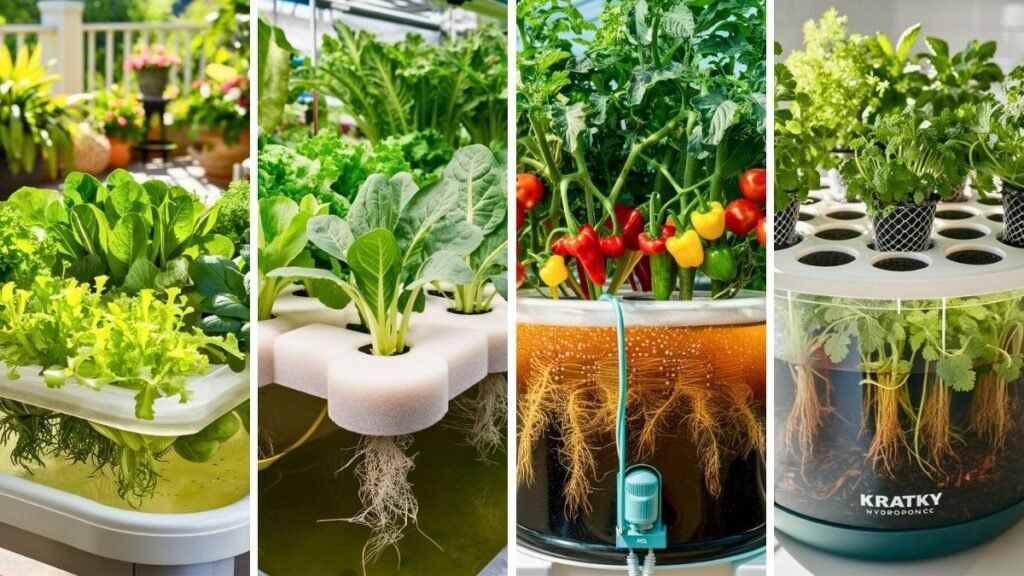
Summary: Hydroponics uses nutrient solutions without soil, delivering precise nutrition to roots. It scales from home kits to micro-farms.
Definition: Soilless nutrient delivery systems (NFT, DFT, drip).
Typical setups: reservoirs, pumps, grow channels.
Benefits: faster cycles and precise nutrition.
Considerations: regular water chemistry checks and system maintenance.
Aeroponics
Summary: In aeroponics, roots hang in air and are mist fed. It saves water and fits compact frames.
Definition: Roots suspended in air with nutrient mist.
Common setups: vertical frames with misters.
Benefits: space efficiency and strong leafy greens.
Considerations: nozzle upkeep and humidity control are key.
Aquaponics
Summary: Aquaponics blends fish culture with plant growth in a closed loop. It delivers dual outputs and strong education stories.
Definition: Fish tanks feed plants via a biofilter loop.
Typical setups: integrated beds connected to fish tanks.
Benefits: two outputs and classroom value.
Considerations: water chemistry and ongoing fish care require planning and cost.
Rooftop farming / Indoor CEA
Summary: Roofs and indoor spaces with climate controls enable year‑round production. It leverages unused space and improves building sustainability.
Definition: Controlled environments on rooftops or indoors with climate control.
Typical setups: insulation, LED lighting, sensors.
Benefits: predictable harvests and energy synergies. C
onsiderations: building codes, structure and energy costs.
Quick comparison
In the table below, see how each technique stacks up for urban settings:
| Technique | Space needs | Water use | Yield potential | Setup complexity | Ongoing costs |
| Vertical farming | High density | Low | Very high | Medium high | Medium–high |
| Hydroponics | Moderate | Low | High | Medium | Medium |
| Aeroponics | Low | Very low | High | High | Medium high |
| Aquaponics | Variable | Low | Moderate | High | Medium high |
| Rooftop/CEA | Space dependent | Low | Moderate | Medium high | Medium high |
Technology & innovation powering modern urban farms
Smart farming tech stack
Summary: Smart tools optimize growth with less waste. IoT sensors, AI monitoring and automated controls are common.
Definition: Devices and software that watch climate, feed crops and manage light. Examples: humidity sensors, pest detection, automated irrigation.
Benefits: consistent crops and reduced labor. Tip: Integrate with a simple dashboard to track trends.
Precision agriculture in constrained spaces
Summary: Data helps plan crops in tight city plots. Closed‑loop practices save water and boost yields.
Definition: Data‑driven decisions for nutrient and water use.
Examples: soil‑less mixes, nutrient dosing.
Benefits: maximized output with fewer inputs.
Energy and sustainability
Summary: Efficient lighting and climate systems cut energy use. Renewables and heat recovery fit urban life.
Definition: LED spectra, heat exchangers and microgrids enable calmer energy profiles.
Benefits: lower running costs and greener tech.
Education and training relevance
Summary: Hands on learning aligns with STEM goals. Training connects students to real urban farming roles.
Definition: Courses and workshops that build practical skills.
Tip: Look for programs linked to local standards.
Singapore’s food security context and policy backdrop
Singapore’s 30 by 30 vision
Summary: The aim is to produce 30% of nutritional needs locally by 2030. This fuels new farms and tech pilots.
Definition: A national target driving policy and investment.
Impact: more vertical farms, AI monitoring, and nearby production.
Public-private and government support
Summary: Agencies fund pilots and infrastructure. Flagship zones like Lim Chu Kang test integrated systems.
Definition: Combined efforts from government and business.
Impact: faster adoption at scale.
Water savings and sustainability claims
Summary: Urban farming can drastically cut water use. Closed loops recycle nutrient solutions.
Definition: Efficient reuse lowers demand on local water resources.
Impact: more resilient systems in Singapore’s climate.
Getting started in Singapore
Quick-start for home hydroponics or compact vertical systems
Summary: Begin with space check, system choice and a small setup. Then grow a simple herb patch or greens.
Steps: assess space, pick a system, gather basic components, plant, maintain weekly checks.
Cost ranges: entry kits from a few hundred SGD; mid range for more capability.
Community and school projects
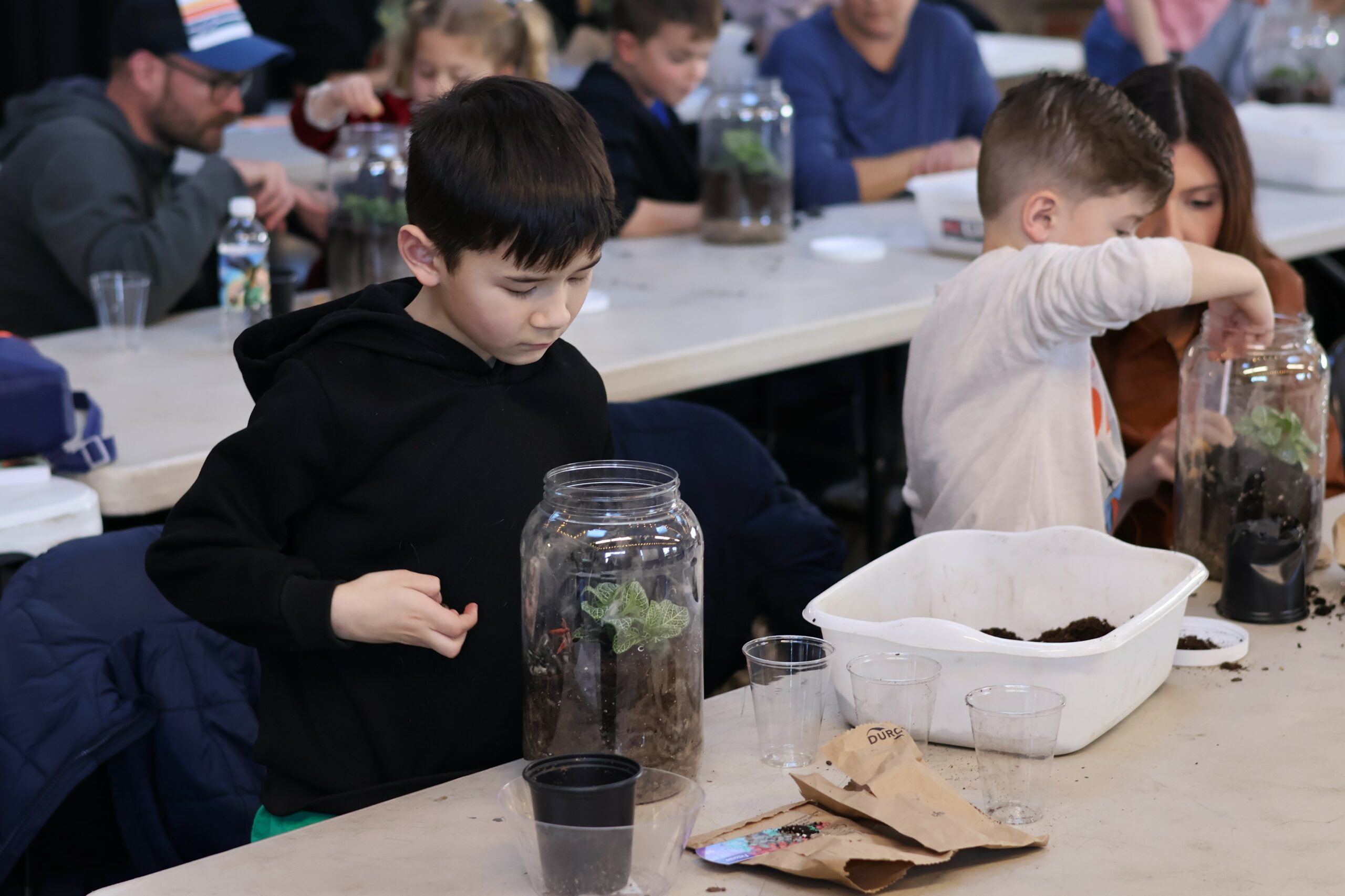
Summary: Join a community farm or run a school program. These builds teach collaboration and resilience.
Tip: partner with local groups and Ecoponics for hands-on support.
Shopping list overview
Summary: Start with trays, a small reservoir, pumps, nutrients and a light kit. Add sensors when ready.
Note: Ecoponics offers starter kits and workshops to simplify setup.
Where Ecoponics fits
Summary: Ecoponics provides practical entry points through workshops and DIY kits. It helps make learning and scaling easy.
Business and education opportunities in urban farming
Is urban farming profitable in Singapore?
Summary: There are niches for greens, herbs and school programs. Revenue comes from direct sales and education.
Education, training and certifications
Summary: Short courses and CPD points boost credentials. Ecoponics offers hands-on courses tied to local needs.
Government support and incentives
Summary: Grants and pilots make startup costs more approachable. Look for programs that match your project.
Notable use cases
Summary: Lim Chu Kang and other community farms show scalable paths from hobby to small business.
Real life examples and use cases
Case Study A: Lim Chu Kang Urban Agriculture District
Summary: A large, integrated hub shows waste-to-resource efficiency and education impact.
Impact: steady output and community learning through partnerships.
Case Study B: City-adjacent vertical farms
Summary: Farms near homes cut transport and enable AI‑driven ops.
Case Study C: Community garden initiatives
Summary: Local programs boost food access and STEM exposure.
Getting the most out of your urban farming journey
6-step getting-started checklist
- Space and sunlight assessment.
- Choose a technique aligned to goals.
- Gather basic equipment and select initial crops.
- Plan water and nutrient management.
- Set a monitoring routine and maintenance calendar.
- Review progress and plan scale‑ups.
Quick-start ROI guide
Summary: ROI varies by setup. Short cycles and value-added products help payback.
Safety, maintenance, and quality control
Summary: Food safety and equipment checks keep yields reliable.
Learn more and how Ecoponics helps
Ecoponics learning pathways
Summary: Hands-on workshops cover hydroponics, aeroponics, and aquaponics. Learn via visits and modular courses.
How to start with Ecoponics
Summary: Contact Ecoponics to book a workshop or buy a starter kit.
Resources and references
Summary: Access starter PDFs and government guidelines for Singaporean urban farming.
Conclusion
Urban farming techniques unlock local food production, education, and community resilience in Singapore. Start with space assessment, pick a technique, and join a hands-on Ecoponics workshop to tailor a plan. Explore Ecoponics courses or book a discovery session to begin.
FAQ
What are the main urban farming techniques used in Singapore?
Vertical farming, hydroponics, aeroponics, aquaponics, and rooftop/CEA.
Can I start urban farming at home?
Yes, with a budget-friendly hydroponic kit or compact vertical system.
What are typical costs to set up?
Entry kits start at a few hundred SGD; mid range systems scale up.
How does urban farming help Singapore’s water use?
Closed‑loop systems use much less water than soil farming.
Where can I learn urban farming skills in Singapore?
Courses and workshops, including Ecoponics offerings, plus formal programs.