As of February 2026 a well hosted science workshop can ignite curiosity and build lasting STEM interest in Singapore’s classrooms. A strong program blends hands-on exploration with clear learning goals. Ecoponics, a Singapore based partner, provides MOE-aligned themes and kits to make this easy and scalable.
TL;DR / Key Takeaways
- Plan MOE aligned, hands-on science workshops using ready-to-use kits and formats offered by Ecoponics.
- Use a clear 8-step planning process: objectives, theme, activities, materials, safety, format, schedule and assessment.
- Choose from 10 ready-to-run workshop ideas tailored for Singapore preschools and schools.
- Offer onsite, online or hybrid formats to fit resource constraints and logistics in Singapore.
- Measure impact with simple pre/post checks, student reflections and facilitator feedback.
- Booking and collaboration with Ecoponics is straightforward via email or a contact form; leverage MOE aligned credibility.
An interactive science workshop is a structured, hands-on session where learners explore core science concepts through experiments, discussion and collaborative activities, designed to align with Singapore’s MOE syllabus.
Why a well hosted science workshop matters in Singapore
A well hosted science workshop sparks curiosity and builds long-term STEM interest. Hands-on inquiry based learning strengthens understanding and persistence in science. MOE alignment is a priority for schools and preschools; a compliant, engaging workshop helps teachers meet those needs. Ecoponics is a Singapore based partner offering MOE aligned themes kits and school services, with over 100 partnerships noted.
What is a science workshop? Definition, scope and structure
A science workshop is an interactive, experiment-driven session with guided inquiry. The typical flow includes kickoff, hands-on activity, guided discussion, data logging/observations, and a wrap-up with takeaways. A well run workshop maps to learning outcomes such as conceptual understanding, process skills and scientific communication.
MOE aligned themes and content you can host Singapore focused
MOE-aligned sessions offer tangible connections to classrooms. Below are ten ready-to-run ideas you can host in Singapore schools, with simple real-world relevance.
Urban farming and food security
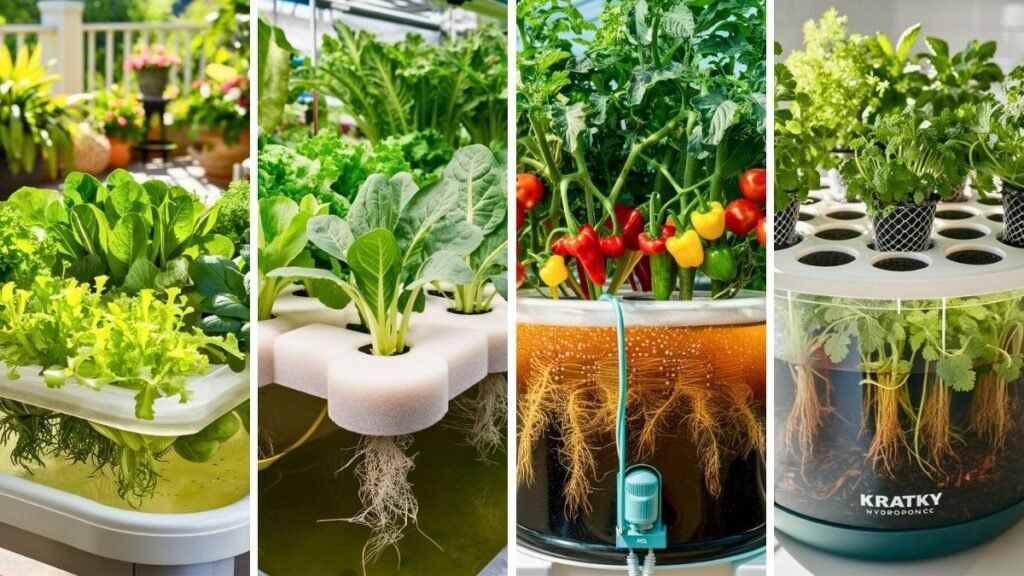
Hydroponics/aeroponics concepts link science to nutrition and urban planning. Real-world relevance helps students see science in daily life.
STEM tinkering and engineering from recyclables
Explore hydraulics and simple machines using recyclable materials. It builds design thinking and problem solving.
Upcycling and sustainability challenges
Turn waste into resources through guided challenges. Students learn about resource cycles and systems thinking.
Food waste management and composting
Demonstrate nutrient cycles and ecology with composting demos and analyses.
Green energy and simple renewable projects
Model wind turbines or small solar devices to grasp energy concepts. Hands-on shows how energy is captured and converted.
Plant biology and environmental science investigations
Investigate growth factors like light and water. Students log observations for evidence-based conclusions.
Simple data collection and hypothesis testing activities
Students form hypotheses, collect data and discuss outcomes. This reinforces the scientific method.
Hands-on experiments with materials in science
Labs and kits provide safe, guided exploration of basic concepts across topics.
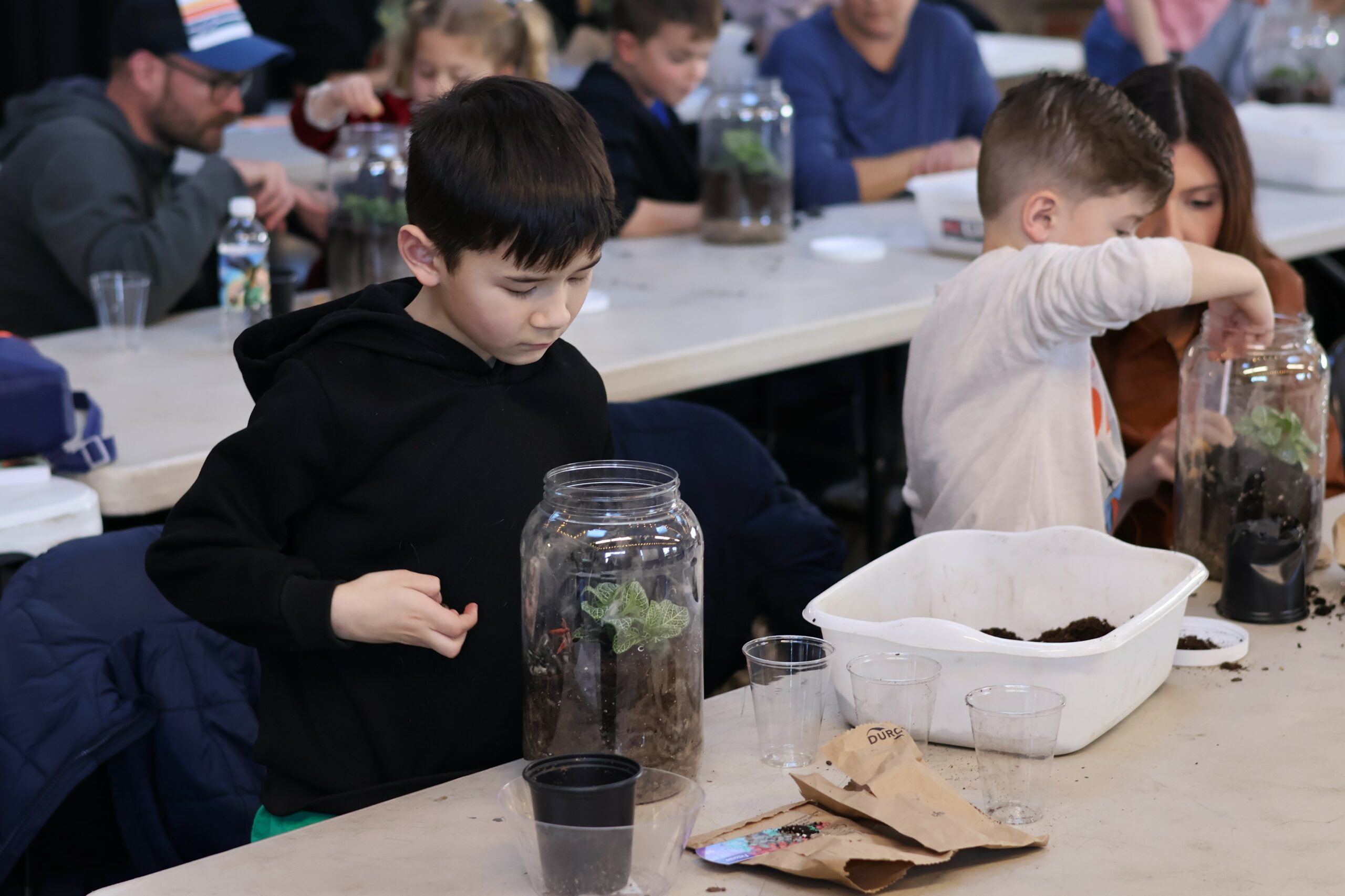
Ecosystem in a bottle or terrarium building
Mini-ecosystems reveal life processes and interdependencies in a compact, observable way.
Inquiry-based micro-labs
Short, focused investigations help students practice observation, reasoning, and conclusion drawing.
Formats onsite, online and hybrid choosing the right format for your setting
Onsite workshops leverage facilities, direct supervision, and kit demonstrations. Online formats expand reach but need strong engagement tools. Hybrid formats blend field trips with virtual elements for large classes. Quick decisions help preschools vs. primary schools in Singapore decide format quickly.
Who is the target audience? Age ranges, pacing and adjustments
Preschool/early years demand high-touch, short tasks and wonder. Primary level activities align to syllabus topics and develop data collection. Secondary students get more open-ended investigations and analysis. Ecoponics’ approach scales across ages and pace levels.
Planning a science workshop in 8 steps step-by-step hosting guide
- Define MOE-aligned learning objectives.
- Select a theme that matches your audience.
- Map activities to outcomes and list required kits.
- Prepare safety guidelines and risk assessment.
- Decide format and logistics; confirm venue or tech needs.
- Source materials and kits; consider Ecoponics’ MOE-aligned options.
- Create pre- and post-activities to reinforce learning.
- Run the session and collect feedback for improvement.
10 ready to run science workshop ideas for Singapore classrooms
These ideas are practical for Singapore’s classrooms and align with MOE goals.
- Mushroom growing with urban farming kits 1–2 hours.
- Hydroponics setup and plant growth observation data logging.
- Upcycling hydraulics: build simple machines from recyclables.
- Plant biology investigations: light, water, growth.
- Food waste solutions: citrus peel cleaners or composting demos.
- Water filtration and purification basics.
- Simple sensors and data logging microprojects.
- Green energy mini-projects: wind turbine or solar device.
- Ecosystem in a bottle or terrarium.
- Inquiry-based micro-labs: hypothesis, test, observe, conclude.
Real life example/use case 2-hour mushroom growing workshop at a Singapore school
Audience: Primary-level learners with age-appropriate expectations.
Format: Onsite, kit-based with guided inquiry.
Activities: Inoculation, growth logs, data recording, group discussion.
MOE alignment: biology fundamentals, ecosystems, data reporting.
Outcomes: enhanced inquiry skills and interest in urban farming.
Equipment, kits and materials what you can expect and What Ecoponics provides
Ready-to-use STEM kits and hydroponics systems align with science syllabi. Materials include safety gear, teacher guides, and activity sheets. Onsite demonstrations, virtual assemblies, and hybrid options are available. The kits emphasize low-cost, high-impact activities for Singapore classrooms. Ecoponics offers MOE-registered instructors and 100+ school partnerships.
How to partner with Ecoponics (booking, planning and support
Inquire by email or via the website contact form to discuss learning objectives and dates. Provide audience age, participant numbers, preferred format, theme interests and budget. You’ll receive aligned learning outcomes, curated kits and turnkey planning. Partnering with Ecoponics delivers curriculum-aligned, experiential learning with ongoing support. Ecoponics’ MOE-aligned science programmes help schools meet goals with credibility.
FAQs
What is a science workshop?
A structured, hands-on session where students explore concepts through experiments and discussion.
What does MOE-aligned mean in practice?
Activities map to Singapore’s MOE science syllabus and learning outcomes.
Can science workshops be online?
Yes. Online and hybrid formats are supported and engaging.
What age groups are suitable?
Preschool, primary (including P5/6), and older students with adjustments.
What materials are included in kits?
Hydroponics components, plant substrates, safe tools, and guides.