Terrarium workshops let you build tiny, thriving worlds in glass. In Singapore, these hands-on sessions blend creativity with ecology, guided by pros who show you how to layer, plant and care for a mini garden you can keep at home or work. This guide helps you navigate formats, pricing and ideas so you can start your own green mini-ecosystem with EcoPonics.
TL;DR
- Terrarium workshops are hands-on, small-ecosystem sessions for all ages.
- In Singapore, formats include studio, private/corporate events and virtual kits.
- EcoPonics offers classic, assorted, airplant and cactus options with 1–1.5 hour sessions for groups 5–25.
- Kids, schools, teams and corporate groups can participate. Sessions teach layering, care and maintenance. Booking through the provider’s site pricing is mid-range for crafts.
What is a Terrarium Workshop and what do you create?
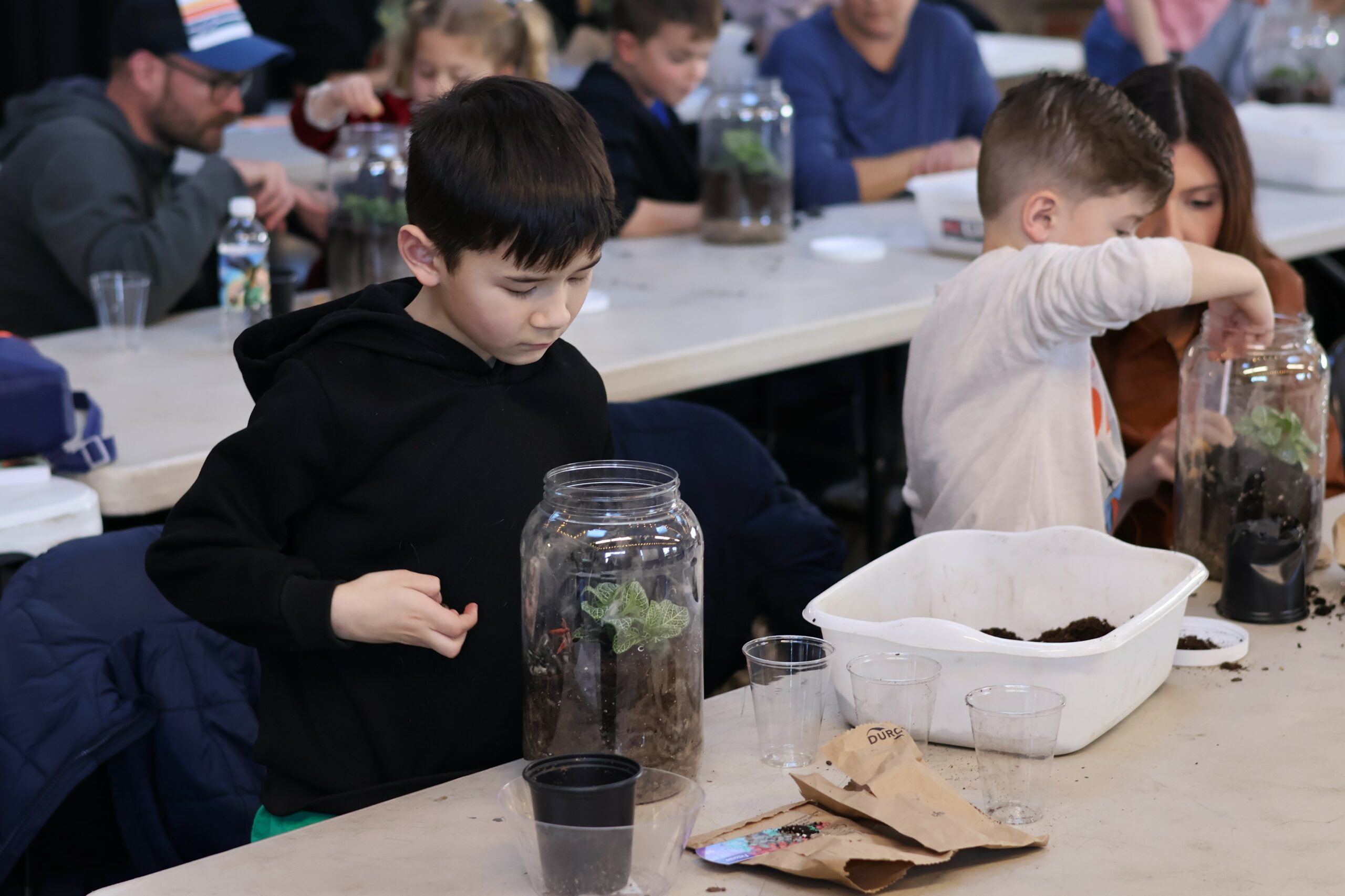
Terrarium workshops are guided, hands-on sessions where you layer soil, gravel, plants, and decorative elements to craft a self contained low-maintenance mini garden. You typically create closed or open terrariums using classic glass containers, airplants (soil-free), or cactus/succulent arrangements. Most sessions run 60–90 minutes, with learning outcomes that cover plant selection, layering technique, light needs and simple maintenance.
Pro tip: Look for a session that emphasizes sustainability and easy care. Resources from trusted sources like the Royal Horticultural Society highlight that terrariums thrive when you match containers and materials to the plant choices. For broader ideas, university extension guides offer simple, practical steps to get started.
EcoPonics Terrarium Workshop offerings in Singapore (types, formats, audiences)
Terrarium types you can choose
- Classic Terrarium
- Assorted Terrarium
- Airplant Terrarium (soil-free)
- Cactus Terrarium (succulents)
Workshop formats and delivery methods
- In-studio group sessions (1–1.5 hours) led by professional trainers
- Private venues for corporate events or large groups
- Virtual workshops with mailed DIY kits and live or on demand guidance
- Kids-friendly sessions with appropriate supervision
Suitable audiences and group sizes
- Corporate teams and team-building
- Schools and educational groups
- Families and birthday parties
- Solo hobbyists
- Typical in-studio size: 5–25 participants larger groups via private/virtual formats
How a terrarium workshop works (step-by-step)
- Choose your terrarium type and container.
- Layer materials (gravel, activated charcoal, soil) for drainage.
- Plant selection and placement.
- Add decorative elements (moss, pebbles, figurines).
- Care guidance for long-term health.
- Post workshop care sheet and optional follow up support.
EcoPonics emphasizes professional guidance and sustainable low maintenance ecosystems. If you want a quick reference the step-by-step process is a reliable blueprint for any provider.
Where to attend terrarium workshops in Singapore (locations and accessibility)
Primary location details
In-studio sessions near the Marymount MRT area (MAPEX building) offer convenient access and a focused learning environment. Expect 1 – 1.5 hour sessions that blend demonstrations with hands on help.
Other venue and access considerations
Private venues are available for corporate events or larger groups and virtual options bring kits and live facilitation to remote participants.
Proximity to popular areas (Orchard, Funan)
Many sessions are positioned for easy access by public transport with flexible options near central hubs like Orchard and Funan to match common search intent.
Pricing, inclusions and how to compare options
Pricing typically ranges from $25 to $95 per person, depending on format and components. Inclusions usually cover all materials, containers, facilitation and care guides. Higher prices reflect bigger group sizes, premium terrarium types, or extended activities.
Note: Exact pricing sits on EcoPonics’ booking site some promotions or SkillsFuture credits may apply so verify at booking.
Corporate, school and SkillsFuture options
Corporate workshops foster teamwork and creative problem solving in a low stress setting. Schools gain a sustainability and biology angle while SkillsFuture credits may support eligible programs with EcoPonics.
Real-life use cases and case studies
- Corporate team building: A 1-hour session boosts collaboration and creates a memorable keepsake.
- Educational use: A school unit integrates biology and sustainability into classwork.
- Family events: A party where attendees build a shared lasting memento.
DIY kits and home extensions
DIY terrarium kits offer home flexibility with self paced learning and ongoing creativity. EcoPonics supports kits and online guidance for maintenance tips.
Sustainability and eco-friendly focus
Low-maintenance ecosystems improve indoor environments. Recyclable materials and sustainable plant choices are prioritized for long-term benefits like stress relief and better air feel.
Maintenance, care guides and post-workshop support
Expect quick-care guidelines, a maintenance schedule, and options for follow-up support after the workshop.
Booking and planning your terrarium workshop
Book via EcoPonics’ official site and inquire about private or corporate events. When planning, choose the right terrarium type, align duration to participants and consider a hybrid approach for remote attendees.
Frequently Asked Questions (FAQ)
What is the typical duration of a terrarium workshop in Singapore?
Most sessions run 60–90 minutes.
Do I need prior experience?
No guidance is provided step-by-step.
Are there kid-friendly options?
Yes with supervision.
Where are the workshops held?
Marymount area plus private/virtual options.
How much does it cost?
Typically $25–$95 per person depending on format.
Are SkillsFuture credits applicable?
Some options may be eligible to check at booking.
What is included in the price?
Materials, guidance and care instructions; premium packages may add extras.
Can we do a virtual terrarium workshop?
Yes with kits and online facilitation.