In a fast-paced city like Singapore, many people spend their days moving between work, school, screens and packed schedules. Relaxation often becomes something passive: scrolling, watching videos or buying something nice after a long week. But more people are now looking for experiences that help them slow down while still feeling meaningful.
That is where candle making workshops stand out. They combine creativity, sensory engagement, and hands-on learning in one calm activity. Instead of simply buying a scented candle, participants learn how colour, scent, wax and design choices come together to create something personal.
This matters because well-being is no longer a “nice-to-have”. Singapore’s National Population Health Survey 2024 reported that poor mental health affected 15.4% of residents aged 18 to 74, with younger adults aged 18 to 29 showing the highest prevalence at 25.5%. Creative activities are not a replacement for professional mental health support, but they can offer everyday moments of focus, calm and connection.
Ecoponics’ candle making workshop in Singapore lets participants create personalised candles with colours and scents, with options such as soy and gel candles. The workshop is suitable for groups, children and team bonding, making it a flexible activity for schools, families, companies and friends.
What Makes Candle Making a Meaningful Craft Workshop?
It Turns a Simple Object Into a Personal Creation
A candle may look simple, but making one involves a series of thoughtful choices. Participants decide the scent, colour, container style, decorations and overall look. These small decisions make the final candle feel personal instead of mass-produced.
This is one reason candle making feels rewarding even for beginners. You do not need drawing skills, design experience or craft knowledge. The process is guided, structured and forgiving. By the end, participants leave with a usable item they made with their own hands.
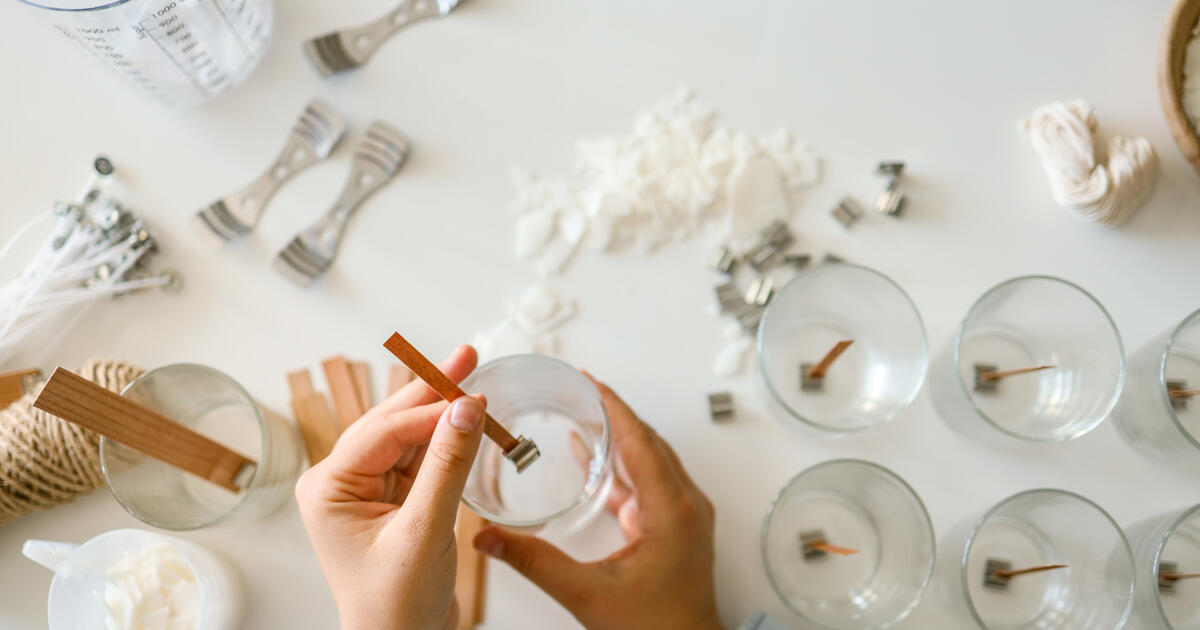
At Ecoponics, materials such as glass containers, wicks, wax, hotplates, metal cups, stirrers, wick holders, wick trimmers, scents, colours and decorations are provided during the workshop. This makes the experience accessible because participants can focus on learning and enjoying the process instead of worrying about preparation.
It Encourages Slow, Focused Attention
Candle making naturally asks people to slow down. Melting wax, mixing colours, placing a wick and choosing a fragrance all require attention. Unlike many daily tasks that feel rushed, this craft rewards patience.
That slow rhythm is part of its appeal. Participants are not competing, racing, or trying to produce a perfect result. They are paying attention to texture, scent, temperature, and design. This kind of mindful focus can be especially valuable for people who spend most of their day multitasking.
Why Candle Making Workshops Are Relaxing
The Process Engages the Senses
Candle making is relaxing because it is not only visual. It involves scent, touch, colour, warmth, and movement. Participants smell different fragrances, watch wax transform and see colours blend into a finished design.
This sensory quality makes the workshop feel immersive. For example, someone might choose lavender-inspired scents for a calm bedroom candle, citrus notes for a brighter mood, or soft pastel colours for a decorative piece. These choices make the session feel personal and emotionally engaging.
Creative Activities Can Support Stress Reduction
Research on art-making suggests that hands-on creative sessions can have measurable calming effects. A 2016 study published in Art Therapy found that 45 minutes of visual art-making led to statistically significant reductions in cortisol levels among participants, regardless of prior art experience.
A wider World Health Organization scoping review also found that arts engagement can play a role in health promotion, prevention, and well-being across the lifespan, based on evidence from more than 3,000 studies.
Candle making fits into this wider category of participatory creative activities. It gives people a structured way to make something beautiful while stepping away from daily pressure.
What Participants Learn in a Candle Making Workshop
A good workshop is not only about producing a pretty candle. It teaches participants how materials behave and how design choices affect the final result.
Participants commonly learn:
- How different wax types, such as soy wax and gel wax, affect appearance and use.
- How to place and secure a wick properly.
- How scent selection changes the mood of a candle.
- How colours and decorations can create a personalised design.
- Why candles should be allowed to cool and set before use.
Ecoponics notes that participants can bring home the candle they make, but should wait at least 24 hours before burning it so the candle can cool and set completely. This practical detail helps participants understand that candle making is both creative and technical.
Why Candle Making Works Well for Team Bonding
It Creates Conversation Without Pressure
Many team bonding activities can feel forced, especially when they rely on games, public speaking, or competition. Candle making offers a softer approach. People can talk while working, share scent preferences, compare designs and help each other without feeling put on the spot.
This makes it useful for corporate teams, school groups, community groups, and even intergenerational family activities. The activity gives everyone a shared task, but each person still creates something individual.
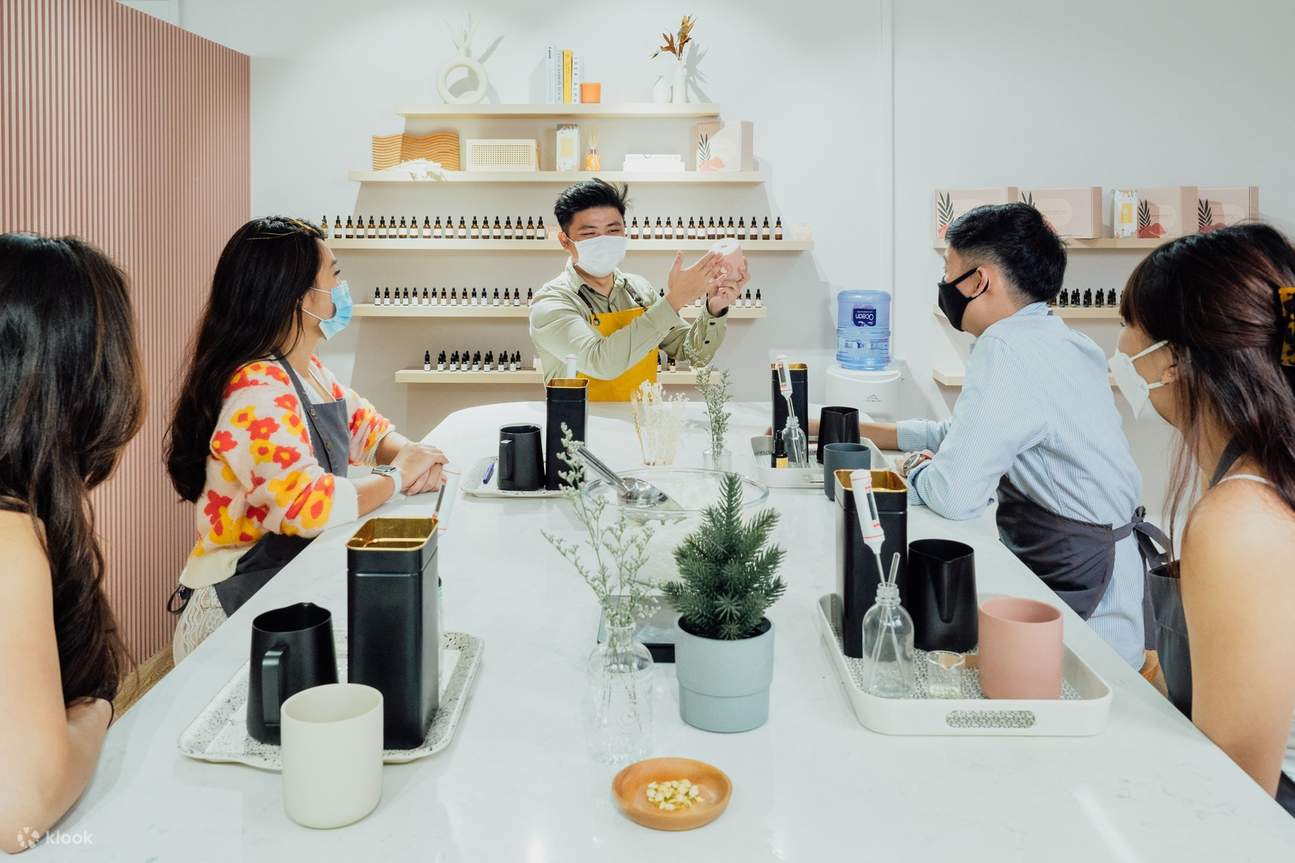
Ecoponics positions its candle making workshop as suitable for children, team building, learning about greenery, and working together as a team. The workshop also includes professional trainers, with each trainer assigned to a few participants for guidance.
It Supports Different Personality Types
Not everyone enjoys the same kind of group activity. Some people are talkative, while others prefer quiet concentration. Candle making works because it allows both.
A more social participant may enjoy discussing fragrance combinations. A quieter person may prefer focusing on colour and design. Both can participate comfortably without feeling excluded.
Why Candle Making Fits Singapore’s Lifelong Learning Culture
Singapore has a strong culture of continuous learning, not only for career skills but also for personal development. SkillsFuture Singapore’s 2025 updates highlighted the importance of individuals actively pursuing skills upgrading and lifelong learning, while the SkillsFuture Festival 2025 featured more than 150 events islandwide.
Creative workshops fit naturally into this mindset. They may not be job training in the traditional sense, but they develop practical qualities that matter in daily life and workplaces: patience, attention to detail, confidence, creativity and collaboration.
People’s Association also promotes lifelong learning through self-development and skills upgrading courses at Community Centres and Clubs across Singapore. This reflects a wider shift: learning is not limited to classrooms or offices. It can happen through craft, creativity and shared experiences.
Who Should Attend a Candle Making Workshop?
Families Looking for Quality Time
Candle making gives families a shared activity that does not revolve around screens. Parents and children can choose scents together, compare colour ideas and bring home a keepsake from the day.
For younger participants, the workshop can introduce basic concepts such as melting, cooling, measuring and design planning. For adults, it becomes a calming break from routine.
Companies Planning a Softer Team Activity
For workplaces, candle making is a good option when the goal is connection rather than competition. It suits small teams, wellness days, onboarding sessions and festive gatherings.
Ecoponics’ workshop has a minimum group size of five participants and typically lasts around 1 to 1.5 hours, making it manageable for corporate schedules.
Friends Who Want a Creative Outing
Instead of another meal or shopping trip, friends can use a candle making workshop as a memorable shared experience. Everyone leaves with a finished candle, but each design reflects a different personality.
How to Get the Most Out of a Candle Making Workshop
To make the session more enjoyable, participants can approach it with curiosity rather than perfectionism.
- Choose scents based on where the candle will be used, such as a bedroom, study corner, or living room.
- Think about colour combinations before mixing, but stay open to experimenting.
- Ask trainers questions about wax, wick placement and cooling time.
- Treat mistakes as part of the handmade look.
- Follow candle care and safety instructions after bringing the candle home.
For safety, candles should always be burned responsibly. Basic candle safety includes never leaving a burning candle unattended, keeping candles away from flammable materials and allowing wax to cool before moving the candle.
Why Businesses and Schools Can Benefit From Candle Making Workshops
For Schools: Learning Through Making
Candle making can support experiential learning. Students see how materials change state, how scent and colour influence design and how patience affects the outcome. It can also be connected to topics such as sustainability, product design, entrepreneurship and sensory learning.
Because the activity produces a physical item, students gain a clear sense of completion. This can build confidence, especially for learners who enjoy hands-on tasks more than theory-heavy lessons.
For Businesses: Wellness With a Tangible Outcome
For companies, candle making offers more than a recreational break. It creates a setting where employees can relax, interact and complete something together. Unlike generic wellness talks, the activity is active and memorable.
It also works well for internal events because the finished candle becomes a takeaway. Employees do not just remember the session; they bring home a reminder of it.
Conclusion: A Small Craft With Lasting Value
Candle making workshops are popular because they meet several modern needs at once. They are relaxing, creative, beginner-friendly and social without being overwhelming. In Singapore, where many people are balancing busy routines, screen-heavy work and rising interest in wellness, this kind of hands-on craft offers a refreshing change of pace.
The value is not only in the candle itself. It is in the process: choosing a scent, slowing down, learning a new skill and creating something with intention. For families, it becomes quality time. For teams, it becomes a gentle bonding experience. For individuals, it becomes a reminder that learning a new craft can be simple, calming and deeply satisfying.
As more people look for meaningful leisure experiences, candle making workshops are likely to remain a strong choice for schools, workplaces, families and anyone who wants to turn relaxation into something beautifully handmade.
FAQs
What is a candle making workshop?
A candle making workshop is a guided craft session where participants learn how to make their own candles using wax, wicks, scents, colours and containers.
Do I need experience to join?
No. Candle making workshops are beginner-friendly and trainers usually guide participants through each step.
Can I bring my candle home after the workshop?
Yes. At Ecoponics, participants can bring home the candle they make during the session.
How long does the workshop take?
Ecoponics’ candle making workshop usually takes around 1 to 1.5 hours.
Is candle making suitable for team bonding?
Yes. It is a calm, interactive activity that encourages conversation, creativity and collaboration without pressure.