In busy Singapore, many people spend most of their week moving between work, school, screens, transport and packed schedules. Creative breaks often get pushed aside, yet they are exactly what many families, students and teams need: a chance to slow down, focus with their hands and create something meaningful.
That is where candle making workshops become valuable. They are beginner-friendly, sensory, practical, and calming. At Ecoponics, participants can create personalised candles using colours, scents, soy wax or gel wax options, with guided support from facilitators. The workshop is designed for groups of at least five people and typically runs for 1 to 1.5 hours, making it easy to fit into school activities, team bonding sessions, birthday gatherings or casual family experiences.
For beginners, candle making is not just about pouring wax into a container. It introduces simple science, creative decision-making, scent design, safety awareness and hands-on confidence. In a country where sustainability, well-being and experiential learning are increasingly important, a candle making workshop offers a refreshing way to learn, relax and connect.
What Is a Candle Making Workshop?
A candle making workshop is a guided craft session where participants learn how candles are made, understand basic materials, choose scents or colours and create their own candle to bring home. At Ecoponics, facilitators begin by explaining basic candle concepts before moving into the hands-on activity and the session ends with participants holding their completed candles for a photo-taking moment.
A Beginner-Friendly Way to Learn by Doing
One reason candle making works so well for beginners is that the process is structured but still creative. You do not need prior experience, artistic skill, or technical knowledge. Ecoponics states that no prior knowledge is required and facilitators guide participants step by step through the process.
This is especially helpful for people who may feel nervous about creative workshops. Unlike activities where the final result depends heavily on drawing or painting ability, candle making gives beginners a clear process to follow. The creativity comes through choices such as fragrance, colour, decoration and presentation.
Why Ecoponics Candle Making Workshops Suit Singapore Learners and Groups
Ecoponics positions its candle making workshop as suitable for team building, learning, children and group collaboration, while also noting that the activity is generally better suited for teenagers and adults because it involves hot wax, fragile glass containers and fine motor skills.
Designed for Small Groups and Guided Interaction
The minimum group size is five participants, which makes the workshop practical for families, friend groups, school groups and corporate teams. Each trainer is assigned to a few participants, so beginners can receive guidance rather than feeling left alone with unfamiliar materials.
For corporate groups, this matters because good team bonding should not feel forced. Candle making naturally creates conversation: people compare scents, discuss colour combinations, help each other with steps and celebrate different outcomes. Ecoponics specifically highlights that participants can discuss scent choices and take on team roles while creating their soy candles.
What Beginners Can Expect During the Workshop
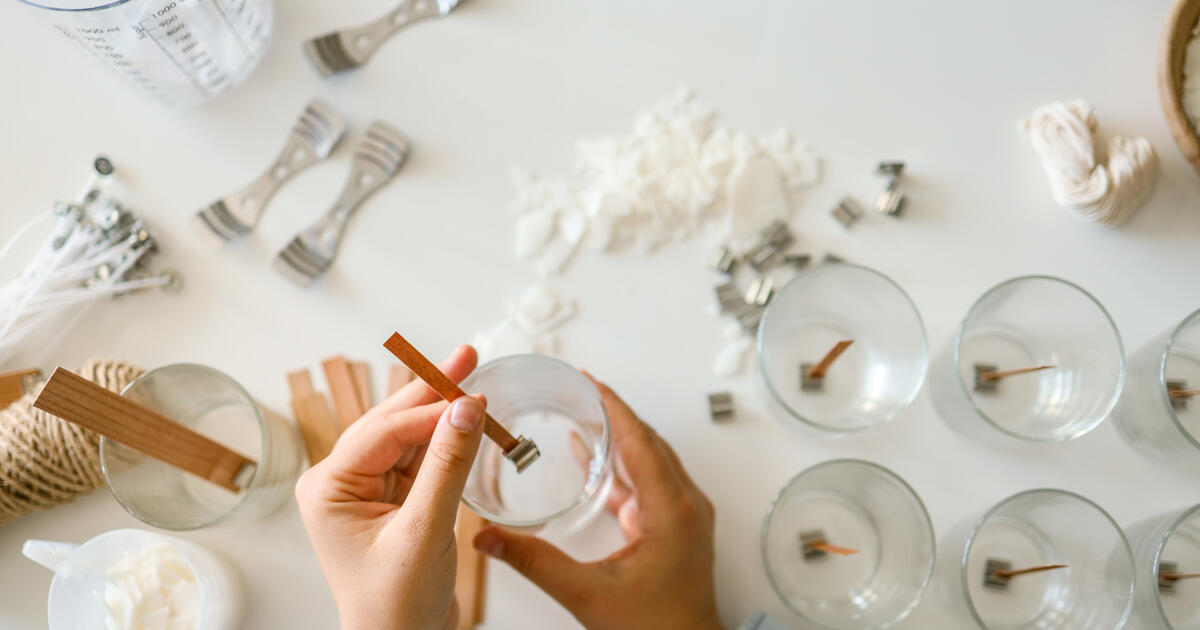
A candle making workshop usually feels calm, focused, and interactive. At Ecoponics, the materials are provided, including glass containers, wicks, wax, hotplates, metal cups, coasters, stirrers, wick holders, wick trimmers, scents, colours for soy candle workshops and decorations for selected candle types.
The Basic Candle Making Flow
Beginners can expect a simple, guided process:
- Choose the type of candle, such as a basic soy candle, scented candle, gel candle or decorative candle option.
- Learn how wax, wicks, scent and containers work together.
- Select colours, fragrance and design details.
- Prepare the wick and container.
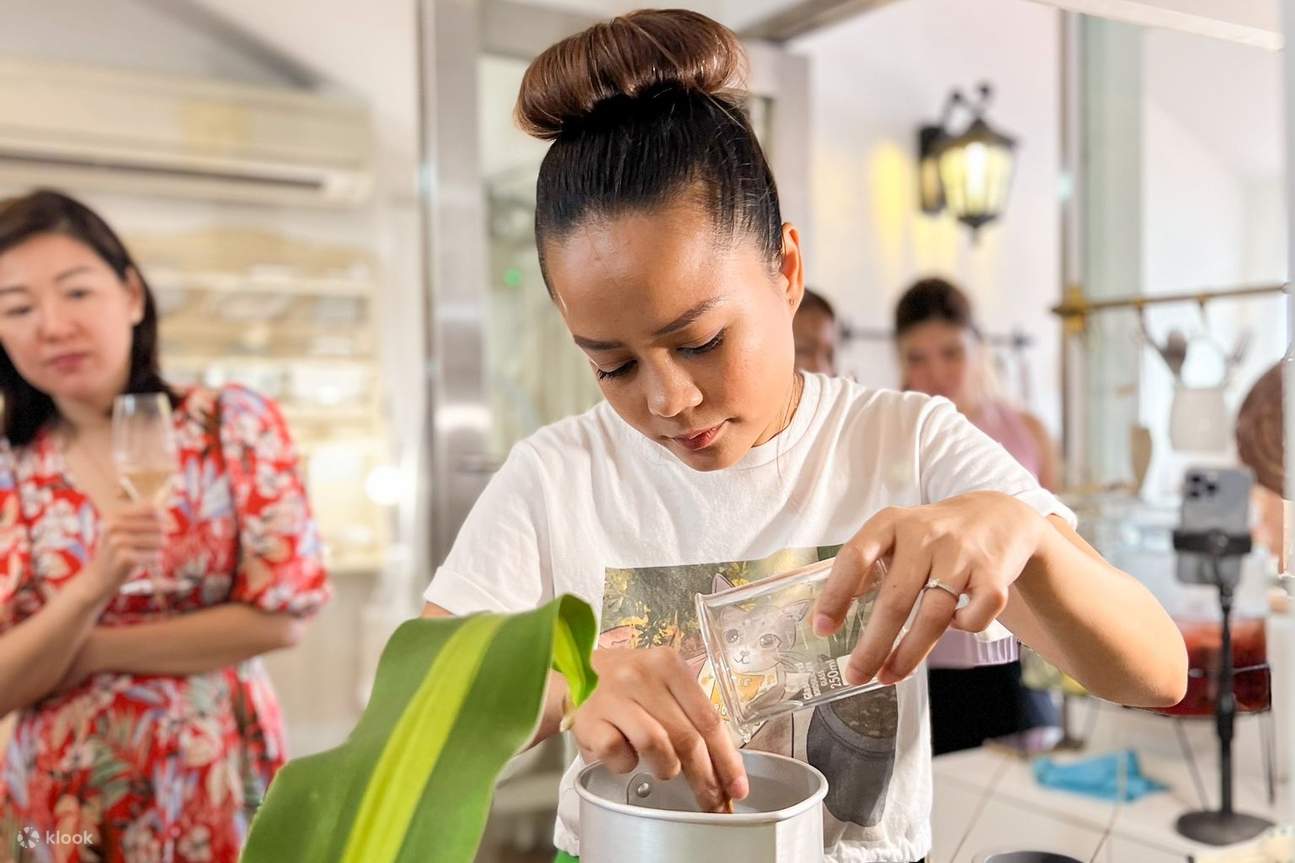
- Melt, mix and pour the wax safely with facilitator support.
- Allow the candle to set before taking it home.
Ecoponics notes that participants can bring home the candle they make, but they should wait at least 24 hours before burning it so the candle can cool and set completely.
The Learning Value Behind Candle Making
Candle making may look simple, but it introduces several useful concepts in an approachable way.
It Teaches Basic Material Science
Participants learn that different waxes behave differently. Ecoponics uses soy wax and gel wax, and notes that soy wax is used over paraffin because it is a more environmentally friendly, clean-burning wax.
This opens the door to useful beginner-level questions: Why does wax melt and harden? How does a wick draw melted wax upward? Why do different scents smell stronger or softer? Why does a candle need time to cure before burning?
For students, this transforms a craft session into a practical science experience. For adults, it creates a more thoughtful appreciation of everyday products.
It Builds Creative Confidence
Because every candle can look and smell different, participants get to make design decisions without pressure. One person may choose a calming lavender-style scent with soft colours, while another may prefer a brighter, more decorative candle for display.
This matters because creative confidence is often built through low-risk activities. Participants do not need to “perform” or compete; they simply follow the process and personalise the outcome.
Why Candle Making Supports Relaxation and Well-Being
Creative workshops are increasingly valued because they give people a break from passive screen time. Research in the arts and well-being space supports the idea that creative participation can benefit mood, connection and stress reduction. A 2025 randomised controlled trial on a facilitated arts programme found improvements in mental health, quality of life, social connection and creative expression among university students.
This does not mean candle making is a medical treatment, but it does show why structured creative sessions can be helpful as part of a healthy lifestyle or workplace well-being programme.
A Sensory Activity That Encourages Mindful Focus
Candle making engages sight, scent, touch, and attention. Participants focus on measuring, choosing, stirring, pouring and decorating. That kind of hands-on concentration can feel grounding, especially for people who spend much of their day multitasking.
Singapore’s National Population Health Survey 2024 also notes that mental health challenges remain most prevalent among younger adults aged 18 to 29, while residents are showing greater willingness to seek support for mental health concerns. This makes accessible, non-intimidating well-being activities more relevant for schools, youth groups, workplaces and families.
The Sustainability Angle: Why Materials and Mindset Matter
Singapore’s Green Plan 2030 is a whole-of-nation movement to advance sustainable development, with targets that include reducing waste sent to landfill by 30% by 2030 and encouraging sustainable living across society.
A candle making workshop connects to this mindset in a practical way. Participants do not just consume a finished product; they understand what goes into it. They learn about materials, responsible use and how small lifestyle choices can reflect bigger sustainability values.
From Craft to Conscious Consumption
When someone makes a candle by hand, they are more likely to value it. They understand the time, materials, and care behind the item. This can encourage more thoughtful buying habits, better product care and less throwaway behaviour.
For schools, this fits well with Singapore’s broader education direction. MOE has stated that environmental sustainability is integrated into educational institutions through curriculum, campus practices, culture and community partnerships under the Singapore Green Plan 2030.
Why Candle Making Works Well for Team Building
Many team bonding activities fail because they feel artificial. Candle making works differently because collaboration happens naturally. People talk while choosing scents, ask questions during the process, compare results and help each other complete steps.
Practical Benefits for Businesses
For companies in Singapore, candle making can support workplace culture in a simple but effective way:
- It gives employees a relaxed environment outside normal work tasks.
- It encourages conversation between people who may not usually interact.
- It creates a shared memory and a physical takeaway.
- It works for different personality types because participants can be social or quietly focused.
- It offers a wellness-friendly alternative to high-energy team games.
Ecoponics lists candle making as suitable for corporate team-building events, school workshops, birthday or hen’s parties and casual gatherings with friends and family.
Safety Tips Beginners Should Know Before Burning Their Candle
Candle making is enjoyable, but candle safety matters. The National Candle Association recommends trimming the wick to ¼ inch before use, placing candles on stable heat-resistant surfaces, keeping candles away from flammable materials, avoiding drafts and never leaving a burning candle unattended.
Simple Candle Care After the Workshop
After bringing your candle home, follow these practical steps:
- Wait at least 24 hours before burning your handmade candle.
- Keep it away from curtains, paper, bedding and children.
- Place it on a stable, heat-resistant surface.
- Do not move the candle while the wax is liquid.
- Extinguish it fully before leaving the room.
These habits help participants enjoy their handmade candles safely and responsibly.
Who Should Attend an Ecoponics Candle Making Workshop?
Candle making is especially suitable for beginners who want a creative activity without needing prior experience. It is also a good fit for teenagers, adults, families with older children, school groups, corporate teams and friends looking for a relaxed shared experience.
Ecoponics notes that the workshop is not generally ideal for young children because it involves hot candle wax, fragile glass containers and fine motor skills. For younger participants, adult supervision and facilitator guidance are especially important.
Best-Fit Occasions
This workshop is a strong choice for:
- Corporate team bonding
- School enrichment activities
- Birthday gatherings
- Family bonding sessions
- Wellness events
- Creative hobby exploration
- Small group celebrations
Because the workshop runs for about 1 to 1.5 hours, it is long enough to feel meaningful but short enough for busy Singapore schedules.
How to Get the Most Out of Your First Candle Making Workshop
Beginners should come with an open mind rather than a perfect design in mind. The best results often come from experimenting with scent, colour and decoration while following the facilitator’s guidance.
Practical Takeaways for First-Timers
Before attending, think about the mood you want your candle to create. Do you want something calming for your bedroom, decorative for your desk or cheerful as a gift? This helps you make better choices during the session.
During the workshop, ask questions. Candle making is more interesting when you understand why each step matters. After the workshop, use the candle safely, keep it as décor or gift it to someone with a short note explaining that you made it yourself.
Conclusion: A Simple Workshop With Lasting Value
A beginner candle making workshop at Ecoponics offers more than a finished candle. It gives participants a hands-on introduction to materials, scent, colour, safety, creativity and mindful making. For Singapore families, schools and companies, it fits today’s growing interest in experiential learning, sustainability and well-being.
The value lies in the balance: it is easy enough for beginners, structured enough for groups, creative enough to feel personal and practical enough to bring home. As more people look for meaningful offline experiences, workshops like candle making will continue to stand out as simple, calming and memorable ways to learn together.
FAQs
Do I need experience to join Ecoponics’ candle making workshop?
No. Ecoponics states that no prior knowledge is required and facilitators guide beginners step by step.
How long is the candle making workshop?
The workshop usually lasts around 1 to 1.5 hours.
Can I bring my handmade candle home?
Yes. Participants can bring home the candle they make during the workshop.
Can I burn the candle immediately?
No. Ecoponics recommends waiting at least 24 hours so the candle can cool and set properly.
Is the workshop suitable for young children?
It is generally better for teenagers and adults because the activity involves hot wax, glass containers and fine motor skills.