Science education in Singapore is shifting toward hands-on, inquiry-based experiences. This article compares science workshops with traditional lessons and explains how MOE-aligned workshops can boost learning when used well. We spotlight Ecoponics as a practical partner for schools seeking kit-based, MOE-aligned experiences.
TL;DR Key Takeaways
- Hands-on science workshops generally engage students more and improve understanding and retention than traditional lectures, in global studies and in Singapore.
- In Singapore, MOE-aligned workshops provide practical experiences that complement classroom teaching and can lift outcomes when integrated thoughtfully.
- Ecoponics Singapore programs offer 1–1.5 hour kit-based hands-on sessions aligned to the MOE syllabus with partnerships with 100+ schools.
- When well planned workshops foster 21st-century skills, curiosity and real-world applications without overloading busy timetables.
What counts as a science workshop in Singapore’s context
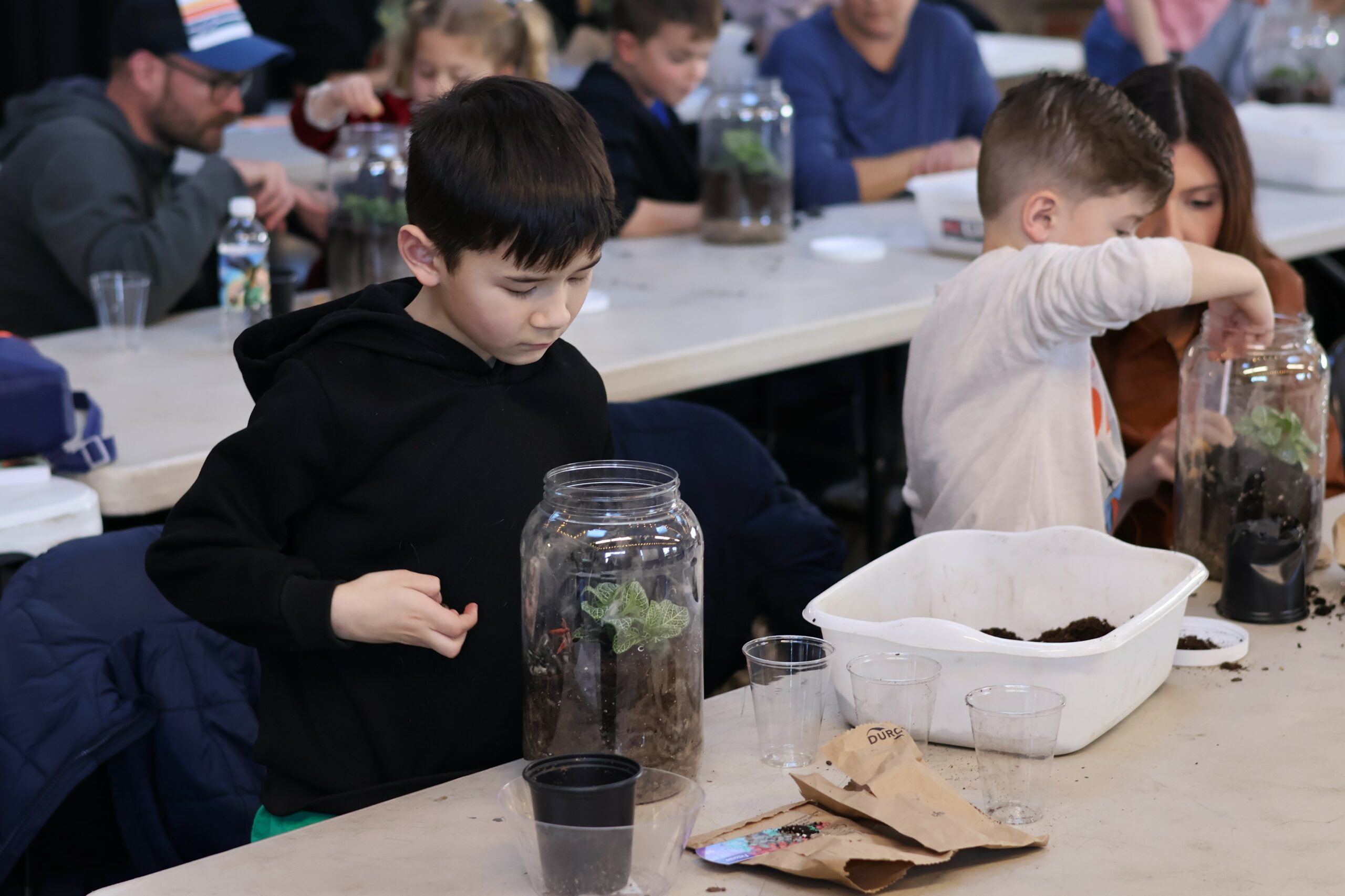
A science workshop in Singapore blends hands-on kits, guided inquiry, and real-world problems into classroom time.
Definition in plain terms: Students manipulate materials and run investigations to uncover science ideas, guided by questions rather than lectures alone.
Core components include:
- Hands-on activities and experiments that turn concepts into tangible experiences.
- Guided inquiry where students ask questions and seek evidence.
- Real-world connections to topics like urban farming, sustainability, and food security.
- Ready-made kits, materials, and a facilitator who supports learning goals.
Typical formats usually run about 1–1.5 hours and occur in school with potential cross-curricular ties. For more details, schools can explore MOE-aligned resources and supplier options such as Ecoponics.
What are traditional science lessons?
Traditional science lessons center on teacher-led instruction and textbook-driven activities.
Definition and structure include
- Teacher-led lectures that present core ideas first.
- Textbook and workbook activities that reinforce concepts.
- Demonstrations and note-taking as a core part of the lesson.
- Limited student-led experimentation within tight class times.
These lessons build a strong knowledge base but may offer fewer opportunities for student-driven inquiry and immediate, concrete manipulation of ideas.
Evidence and insights Do science workshops improve outcomes?
Summary: Research shows active hands on learning can lift engagement and achievement, especially when aligned to curricula.
Global evidence snapshot:
- Active-learning approaches can reduce failure rates and improve exam scores by roughly 6% (about half a standard deviation) versus traditional lectures.
- Hands-on or demonstration-heavy formats often boost engagement and achievement in domains like chemistry.
Singapore-specific context:
- Singapore’s PISA science performance remains strong, supported by a focus on quality learning experiences and curriculum alignment with MOE standards.
- Collaboration and careful time allocation among teachers link to higher student achievement, underscoring the value of experiential learning when planned well.
Practical takeaway: Workshops work best when they align to the MOE syllabus, include teacher preparation, and are followed by reflective assessment. MOE alignment matters.
How do students experience workshops vs traditional lessons?
Students often show higher motivation and deeper understanding in workshops.
Engagement and motivation: Learners tend to be more intrinsically motivated during hands-on activities.
Memory and understanding: Concrete experiments support recall and the ability to transfer ideas to new problems.
Age differences: Younger learners benefit from manipulation of objects; older students gain depth through inquiry and synthesis.
Singapore MOE alignment and implementation considerations
To succeed, workshops should map to the Singapore Science Syllabus and fit school schedules.
Why MOE alignment matters: It ensures that workshop goals reinforce required outcomes and assessments. MOE framework guides topic choices and pacing.
Implementation ideas:
- Map workshop objectives to syllabus topics and assessment plans.
- Schedule a feasible number of sessions that fit timetables.
- Invest in teacher professional development and facilitator collaboration.
- Use quick data like pre/post quizzes and engagement metrics to track impact.
Ecoponics approach to science workshops in Singapore
Ecoponics offers MOE-aligned, kit-based workshops with real-world relevance for Singapore schools.
Program themes include:
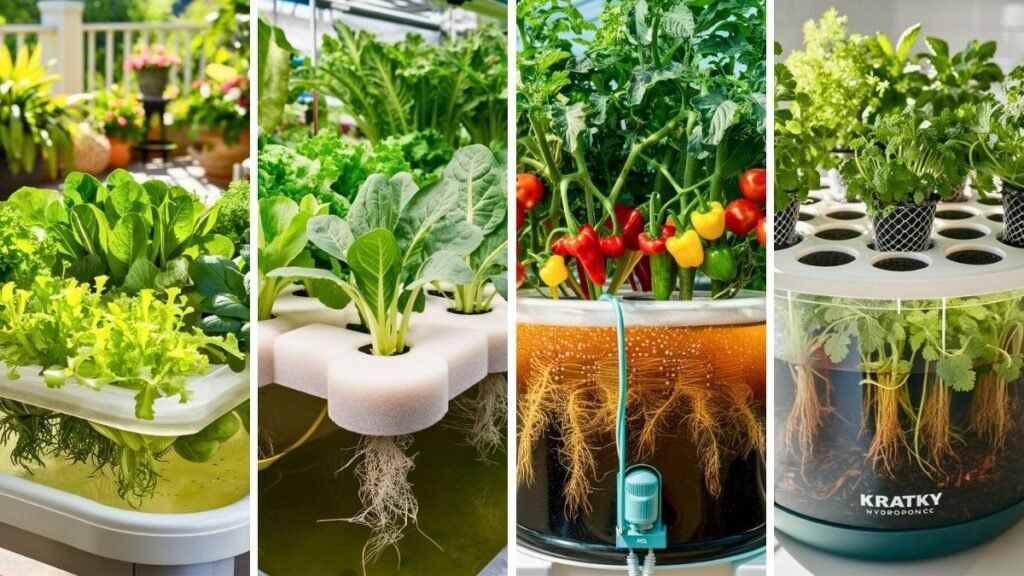
- Food Security & Urban Farming
- Food Waste Solutions
- Green Gardening
- STEM Workshops (hydraulics, pendulums, electric lifts)
- Upcycling Workshops
- Mental Wellness & Craft Workshops (optional enrichment)
Structure and delivery: Sessions run 1–1.5 hours, kits are provided, and activities are inquiry-driven with MOE-aligned goals.
Benefits and reach: Ecoponics has engaged 100+ schools and offers customizable programs to fit needs. See details at Ecoponics’ science programmes for themes, duration, and contact options.
Support for teachers: Ready-made kits, facilitator-led activities, and alignment work to ensure syllabus relevance help teachers plan with confidence.
How to implement science workshops in your Singapore school step by step
A practical path helps you move from idea to impact.
- Define learning objectives and how workshops complement lessons.
- Map objectives to the MOE Science Syllabus and your assessment plans.
- Choose workshop themes that align with current topics like ecosystems or energy.
- Plan logistics duration, class size room setup, and safety.
- Prepare staff brief teachers and plan facilitator collaboration.
- Run and capture impact with quick assessments and reflections.
- Review and scale: gather feedback and plan follow-ons.
Real-life example use case (Singapore context)
Real world cases show how workshops lift engagement and recall.
Use case 1: Primary mushroom growing kit workshop focuses on biology basics, life cycles, and food security. Outcomes show higher engagement and recall in follow-up quizzes.
Use case 2: Secondary STEM tinkering with wind turbines or hydraulics boosts engineering thinking and design thinking leading to more questions and applying theory to projects.
These anonymized examples illustrate how hands-on sessions translate to classroom gains in Singapore contexts.
Benefits vs challenges quick comparison
Workshops offer clear benefits but require planning to overcome hurdles.
- Benefits:
- Higher engagement and motivation
- Better concept retention and real-world transfer
- Strong MOE alignment and adaptable to school needs
- Challenges:
- Logistics: scheduling, space, and kit management
- Initial investment in planning and training
- Ensuring ongoing alignment with assessment
- Mitigation strategies:
- Phased rollout flexible scheduling and strong facilitator partnerships
- Clear pre/post assessments to demonstrate impact
Next steps and calls to action
How to move forward with Ecoponics for Singapore schools: Reach out to discuss school needs, themes, and scheduling. Request a sample lesson map showing MOE-aligned objectives, then plan a pilot session to evaluate impact with your leadership team.
Enrollment: Ecoponics programs are designed for easy onboarding, with kit-based experiences and facilitator support.
FAQs
Are science workshops aligned with the MOE syllabus in Singapore?
Yes. They are designed to align with the MOE Science Syllabus and can be integrated into school plans.
What ages or levels benefit most from workshops?
Primary and secondary students, with age-appropriate themes.
How long is a typical workshop?
Most are 1 to 1.5 hours with customizable options.
Do workshops replace traditional lessons?
No. They complement and not replace existing plans and assessments.
What resources are needed from the school?
Space, safety considerations and teacher coordination kits are provided by the provider.
How can schools measure impact?
Use pre/post concept quizzes, engagement surveys, and unit assessments.
Can workshops be customized to local themes?
Yes. Providers like Ecoponics tailor content to urban farming, waste management and local issues in Singapore.