Singaporean learners deserve hands-on STEM experiences that mirror real-world problem solving. The STEM Kit by TCS brings MOE-aligned, inquiry based activities into homes, classrooms and school programs. It helps students think critically, be creative, and collaborate effectively while preparing them for future tech careers.
TL;DR / Key takeaways
- TCS STEM Kits deliver hands-on, inquiry-based learning aligned with MOE-style frameworks, boosting problem-solving, creativity, and collaboration.
- In Singapore, these kits support home-learning and classroom activities with equity-focused outcomes seen in global programs.
- The goIT inspired approach from TCS shows how early STEM engagement translates into future tech readiness and employability.
- Implementation is scalable for parents, teachers and administrators with clear pathways from simple experiments to complex projects.
The STEM Kit by TCS is a prepackaged, hands-on STEM learning solution designed to build critical thinking, creativity, and 21st-century skills for Singaporean learners, in alignment with MOE standards and future-tech career pathways.
What is the STEM Kit by TCS? (Definition and core purpose)
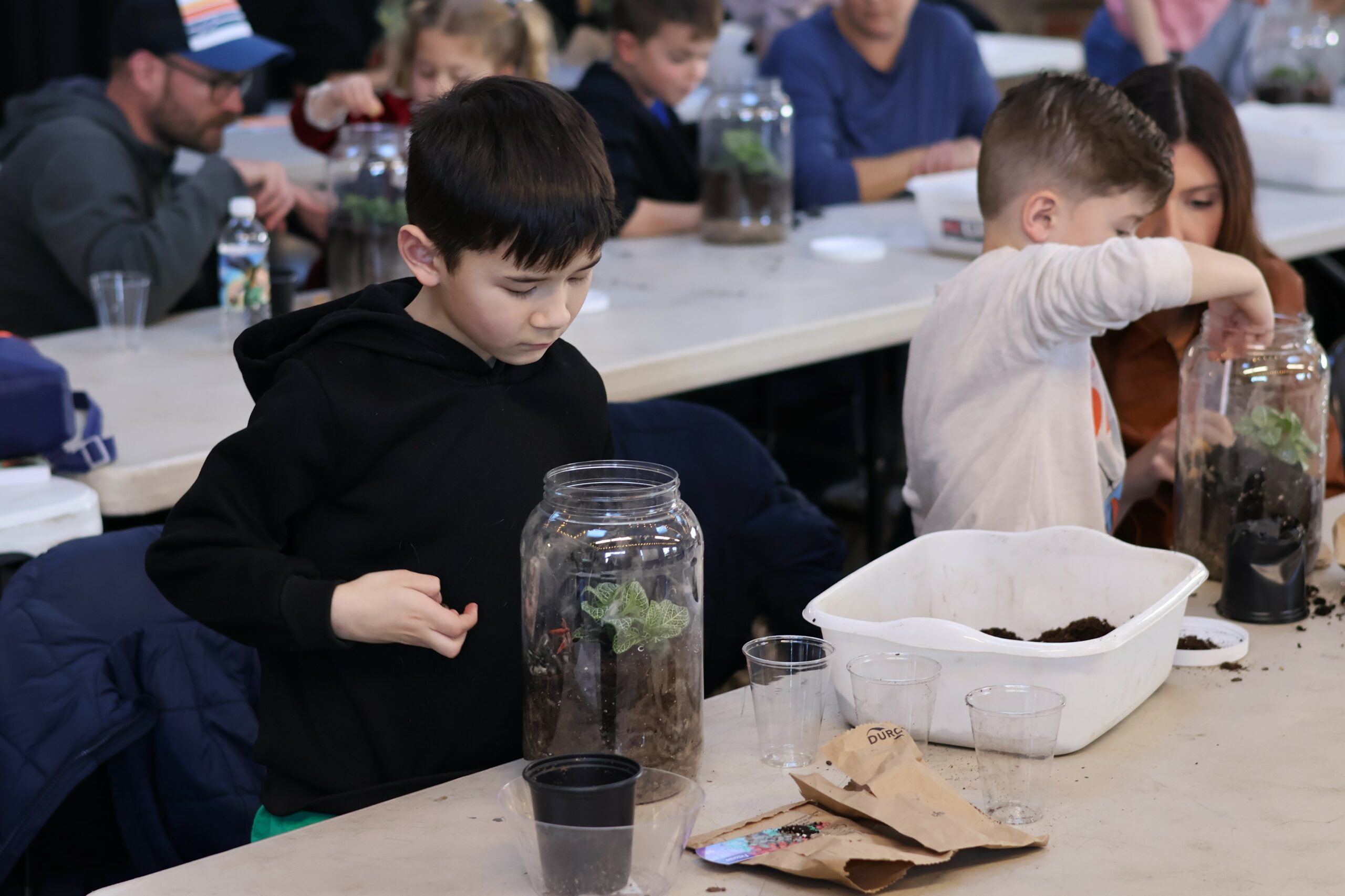
The STEM Kit by TCS is a curated set of activities, tools, and resources that enable experiential, inquiry-based learning. It is designed to complement Singapore’s MOE curriculum and emphasize hands on exploration alongside textbook learning.
Target audiences: parents seeking enrichment, teachers delivering hands-on lessons and schools evaluating program partnerships.
- Activities are organized by skill level and concept area
- Supplemental guide or textbook accompanies hands-on projects
- Structured timeline guides progression from simple to advanced tasks
Quick factual anchor: MOE-aligned, global goIT inspired framework with a focus on equity and hands on engagement.
Why the STEM Kit by TCS works: Core benefits and outcomes
Encourages Critical Thinking
Students evaluate problems from multiple angles, test hypotheses and justify conclusions. Prompts for reasoning are built into guides to sustain reasoning cycles.
Boosts Creativity and Innovation
The kit offers multiple solution pathways, fostering divergent thinking. It encourages iterative design and rapid prototyping in hands-on tasks.
Develops Curiosity, Inquiry and Innovation
Learning extends beyond steps with ongoing questioning and independent exploration. Educator quote links SG context to global inquiry practices.
Enhances Cognitive Abilities and Executive Skills
Difficulty scaled activities build working memory, sequencing and attention to detail. Scaffolding moves learners from guided to open-ended tasks.
Engages Learners with Fun, Meaningful Learning
Positive attitudes form through enjoyable projects and visible progress. The kits include parent-child or teacher led activities to sustain motivation.
Fosters Social, Communication and Collaboration Skills
Group projects teach planning, task division and clear communication. There are structured chances for peer review and presenting findings.
Singapore context: MOE alignment and local relevance
The kit maps to MOE learning outcomes by linking concepts, inquiry, and practical application. Schools adopting MOE-aligned hands on science, technology and mathematics activities gain ready to use, scalable resources. Equity and inclusion matter: goIT type programs show stronger participation among underrepresented groups and a model SG schools can adapt with targeted outreach. Content reflects updates through November 2025.
Age appropriateness and learning trajectories
Suggested age bands span early primary to early secondary with goals that rise in complexity. Kits scale from guided experiments to student-driven design challenges, aligning with MOE pacing and assessments.
Skills development matrix (What learners gain, how, and why it matters)
- Problem Solving structured challenges for hypothesis, testing and iteration. Age 6–12+. Career: data analysis, engineering, software design.
- Collaboration group tasks and role assignments. Age 7–14+ Career team based product development and project management.
- Communication documenting experiments and presenting findings. Age 8–15+. Career: science communication and stakeholder briefing.
- Digital literacy and systems thinking integrated tech tools, simulations or coding. Age 9–16+ Career: software IoT data roles.
- Creativity and Innovation open-ended challenges and design-thinking prompts. Age 6–14+ Career: product design R&D.
- Adaptability and resilience learning from failure and iterative improvement. Age 6–16+ Career agile development, engineering.
Career readiness pathway with STEM Kit by TCS
- Early exposure to core concepts and portfolio-building basics
- Progression to more complex projects (electronics, sensors, coding)
- Specialized tracks inspired by goIT: app design, AI, cybersecurity, IoT
- Collaboration with teachers to curate a student portfolio
- Transition to secondary STEM options and future tech careers
Implementation guide: how to deploy the STEM Kit by TCS in Singapore
For Parents (home learning)
- Quick-start plan: 4–6 weekly activities with a parent-child schedule
- Bonding and learning tips co create documentation, showcase results
- Low cost entry points and when to advance to more challenging kits
For Teachers (classroom integration)
- Align activities to MOE syllabus topics
- Schedule hands on sessions across STEM subjects
- Use guiding questions to foster inquiry
- Assess both process and product (portfolios, presentations)
- Scale with peer learning and cross curricular projects
For School Administrators and Programs
- Evaluating ROI and equity considerations
- Partnerships and professional development opportunities
- Logistics and procurement tips
How the STEM Kit by TCS compares to other learning options
TCS STEM Kits vs. DIY STEM activities
Packaged kits offer structure and scalability, while DIY projects offer flexibility. MOE-aligned content helps ensure consistency with classroom topics.
TCS STEM Kits vs. robotics programs
These kits balance depth of concepts with cost and time commitments. They integrate with MOE topics smoothly.
TCS STEM Kits vs. coding bootcamps
Focus areas combine hands-on hardware with software, making them more relevant to Singapore’s tech economy.
Real-life use case: A Singapore classroom or family project
Imagine a secondary science class using the kit for a term project on solar powered devices. Students plan, build, measure and present a data log of performance. Outcomes include higher engagement, stronger collaboration and a growing student portfolio for future study.
Real world evidence and testimonials (integration notes)
GoIT-derived data highlight impact: 300,000+ students in 48 countries; 50%+ girls 70% minority representation 74,000+ volunteer hours. These outcomes translate well to Singapore with local partnerships and adaptation. Suggested testimonials include educators, school leaders and parents.
Frequently Asked Questions (FAQ)
What age is appropriate for STEM kits?
Suitable across primary and early secondary with age appropriate difficulty check kit guides for ranges.
How do STEM kits align with Singapore MOE curriculum?
They supplement MOE topics through hands-on experiments and inquiry learning.
Can STEM kits be used at home or only in schools?
They work for home and classroom use, enabling parent child collaboration and teacher-led sessions.
What differentiates the STEM Kit by TCS from other providers?
MOE aligned structure, equity-focused outcomes and a goIT-inspired progression path.
How do STEM kits prepare children for future STEM careers?
They build practical skills and provide a portfolio of projects for ongoing study.
Are there recommended age brackets for specific kit topics?
Yes kit guides indicate suitable ranges and complexity levels.
How can schools evaluate the value of this program?
Use pilots, portfolios, teacher feedback and MOE outcome alignment.
What is the long-term impact on equity in STEM participation?
Global programs show strong equity indicators that SG schools can model with targeted outreach.