Urban farming techniques offer practical ways to grow food in dense city spaces. In Singapore, these methods blend green spaces with smart design to boost health, resilience and local food awareness. This article walks through how these techniques work, why they matter now, and how you can get involved.
TL;DR / Key Takeaways
Here are the quick takeaways you should know about urban farming in Singapore.
- Urban farming techniques enable local food production in dense cities, cutting transport emissions and adding greenery.
- The main methods include hydroponics, vertical farming, rooftop gardens, aquaponics, aeroponics and community gardens each with different space and energy footprints.
- Singapore’s 2030 target of local food production, known as 30 by 30, drives adoption in both business and education sectors.
- Real-world examples like CapitaSpring and Sky Greens show how tech-enabled farming fits into high-density developments and public spaces.
- Practical steps exist for schools and individuals to start, including partnerships with local providers and hands-on programs such as Ecoponics.
Urban farming techniques are methods for growing food inside cities using soil-free or space-efficient systems to maximize yield and sustainability.
What are urban farming techniques? (Definition and overview)
Urban farming techniques focus on producing food indoors or in limited outdoor spaces with minimal or no soil. Key techniques to know include:
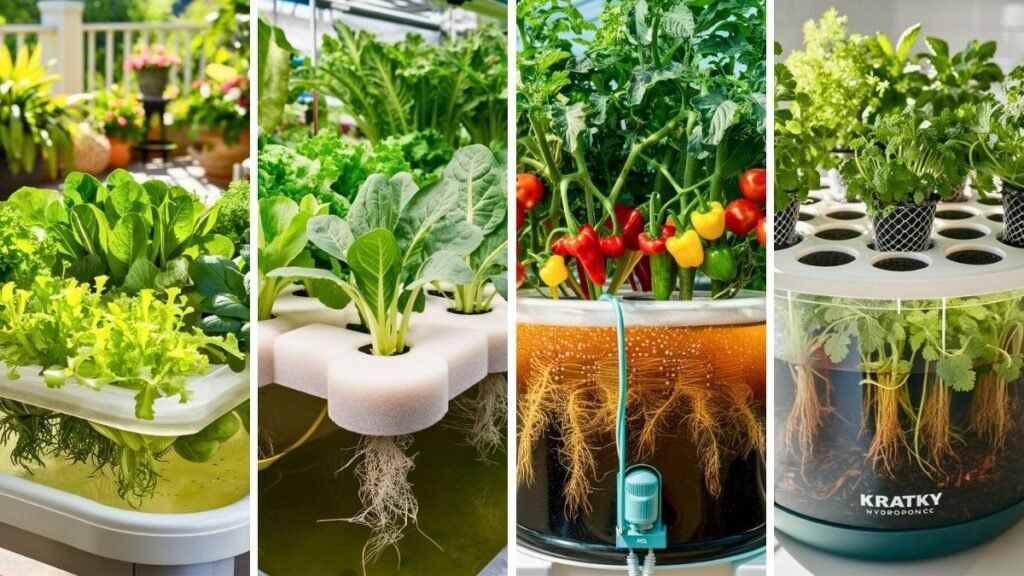
- Hydroponics plants grow in a nutrient solution without soil.
- Vertical farming stacked growing surfaces multiply yield per square meter.
- Rooftop gardens green spaces atop buildings that cool and beautify city centers.
- Aquaponics is a closed loop where fish waste feeds plants and plants purify water.
- Aeroponics roots are misted with nutrients for efficient growth.
- Community gardens shared plots build education, health and social ties.
In Singapore, these approaches align with space and water efficiency goals embedded in planning and policy shifts.
Why urban farming techniques matter in Singapore (context and policy)
Urban farming supports the environment, resilience, and public well-being. Singapore’s 30 by 30 goal aims for significant local production by 2030, boosting resilience against supply shocks. Integrating greenery into skyscrapers, campuses and parks improves air quality and urban cooling. Education and community wellness rise as residents gain hands-on STEM experience and healthier lifestyles. Notable local examples include CapitaSpring’s integrated hydroponics and green spaces and Sky Greens’ gravity fed towers that optimize footprint.
What are the main urban farming techniques used in Singapore? (tech-by-tech guide)
5.1 Hydroponics
Plants grow in a nutrient solution with no soil. In Singapore, hydroponics uses precise water management and compact footprints, perfect for homes and schools.
How it works: nutrient solutions circulate to roots via pumps. Typical setups include NFT, drip and ebb and flow systems. Why it matters: it supports quick learning curves and scalable small projects.
5.2 Vertical farming
Summary: Stacked growing surfaces with controlled light and climate yield more per square meter. This approach is ideal for dense urban sites.
How it works: shelves or towers house shelves of crops with climate control. Benefits include consistent year round production and a modern lab like look that fits city cores.
5.3 Rooftop gardens
Summary: Soils or soil free beds on roofs expand greens and reduce heat load. They are a natural fit for commercial towers and campuses.
Considerations include structural load, sun exposure, drainage, and safety. Rooftop gardens can double as education spaces and micro-climates for urban wildlife.
5.4 Aquaponics
Summary: A closed loop where fish waste feeds plants, creating a dual harvest of fish and greens. It’s engaging for classrooms and demonstrations.
How it works: a tank system circulates water to grow beds, with biofilters and bacteria maintaining balance.
5.5 Aeroponics
Summary: Roots hang in air and receive nutrient mist for efficient growth. It’s a space-saving option for urban labs and high-tech schools.
Benefits include fast growth and scalable setups energy needs depend on climate control and lighting.
5.6 Community gardens (and school gardens)
Summary: Shared plots foster education, wellness and access to fresh produce. They are powerful social hubs in dense neighborhoods.
Typical models include neighborhood allotments and school plots that run with volunteer governance and local partnerships.
5.7 Smart agriculture and automation (optional)
Summary: Sensors IoT and data driven controls augment urban farms. In Singapore, smart tech supports precision farming in compact spaces.
Note: adoption scales with project size and budget.
Real-world Singapore case studies and examples
CapitaSpring demonstrates how a tall building can host an integrated hydroponic and rooftop garden feeding diners and staff. Sky Greens shows gravity-powered rotating vertical towers that maximize yield per footprint. Community and school gardens provide hands-on learning in classrooms and neighborhoods. Ecoponics offers workshops, kits and ongoing support to connect readers with practical urban farming skills.
For readers seeking a local partner, Ecoponics offers workshops and kits designed for schools and homes. The broader movement is supported by government and non-profit programs that encourage hands-on learning and local food awareness. See also resources from the Singapore Food Agency and FAO on urban agriculture.
How urban farming techniques contribute to Singapore’s food security and health
These techniques diversify local production channels and support the 30 by 30 objective. They give families fresh greens, boost nutrition literacy and reduce transport emissions. Green spaces improve air quality and offer climate resilience for hot tropical days. Education initiatives build a workforce ready for sustainable farming futures.
Benefits of urban farming techniques (at-a-glance)
- Environmental lower carbon footprint and better urban greening.
- Social stronger communities and healthier lifestyles.
- Economic local supply opportunities and small business potential.
- Health access to fresh produce and nutrient awareness.
Challenges and how to overcome them
Key challenges include space, cost, maintenance, and climate controls. Plan carefully, start small, and partner with local educators. Practical fixes include choosing space-efficient techniques such as hydroponics for quick wins and vertical farming for high yields, plus seeking grants and community support.
Step-by-step guide How to start an urban farming project in Singapore
- Define goals and space: education, food production, or both; map available areas.
- Choose a technique: start with hydroponics for quick wins; rooftop options for larger scale.
- Select a system and components: trays, reservoirs, pumps, lighting, and growing media.
- Plan water, light and climate controls ensure reliable water and climate strategies.
- Source training and kits: join workshops to learn setup and safety.
- Implement a pilot, install a small system and test for several weeks.
- Measure outcomes and adjust track yields and resource use.
- Engage networks: involve schools, community groups and neighbors.
- Explore funding, look for grants and partnerships with education programs.
- Maintain and evolve schedule upkeep and consider scaling with new techniques.
Getting started with Ecoponics: offerings for Singapore readers
Ecoponics offers workshops in hydroponics, aeroponics, and aquaponics, plus classroom kits and sustainability programs. Their Grow Series and HydroKit are ideal for classrooms and small spaces. They also provide ongoing support to help schools and individuals scale urban farming practice. Learn more about Ecoponics here.
Use case a real life example to illustrate the concept
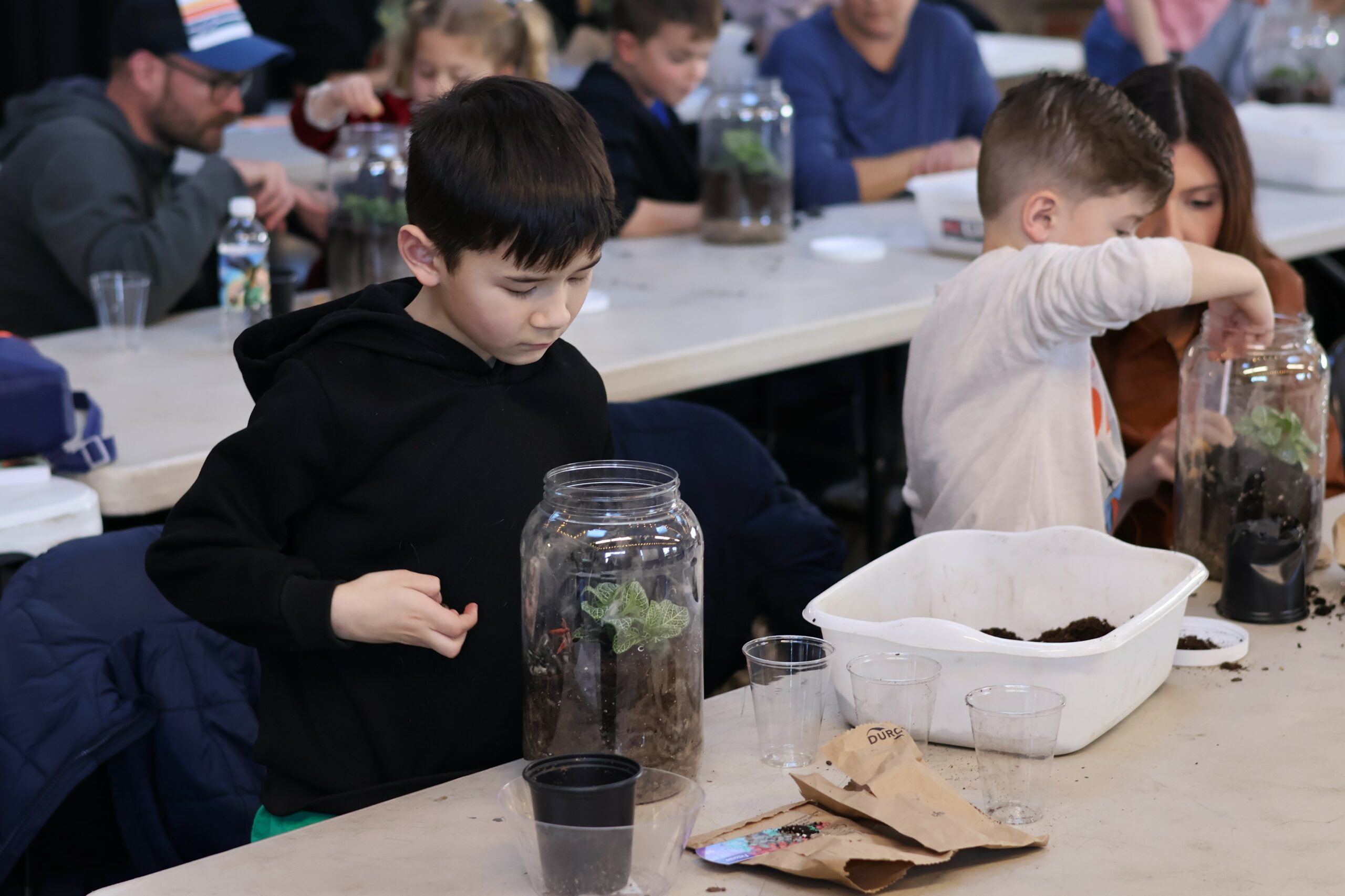
A primary school partners with Ecoponics to install a classroom hydroponics kit. Students run monthly workshops, track yields, and design a mini farm-to-table project. This demonstrates practical STEM learning and local food awareness in action.
Visuals and data to include (descriptions for visuals)
- Diagram hydroponic flow with nutrient solution, roots and light cycles.
- Diagram vertical farming rack with multiple tiers and climate control.
- Photo captions CapitaSpring’s integrated farm Sky Greens’ rotating towers classroom kit in action.
- Table technique comparisons (cost, space, yield, energy).
- Graph projected yield per square meter for vertical farming vs traditional farming.
Conclusion and next steps
Urban farming techniques offer greener, healthier cities in Singapore by using space-efficient methods and strong education links. To start, explore hands-on workshops or kits from Ecoponics for schools or homes. Consider partnerships with local developments or community groups and stay updated on Singapore’s food security policies and case studies for inspiration.
FAQ’s
What are urban farming techniques?
Methods to grow food in cities using soil free or space efficient systems.
Are urban farming methods suitable for apartments or small homes in Singapore?
Yes compact hydroponic kits and balcony setups work well.
How can urban farming help with Singapore’s 30 by 30 goal?
It expands local production by utilizing limited spaces.
What are common challenges?
Space, cost, maintenance and climate control planning helps mitigate.
Do schools benefit from urban farming programs?
Yes these programs support STEM learning and nutrition awareness.
Are there incentives or grants for urban farmers in Singapore?
Look for government and community grants and partnerships with educators.
What is a quick-start approach for beginners?
Start with a small hydroponic kit and a simple classroom or home curriculum.