Urban life in Singapore is dense, but green life is not out of reach. With smart techniques, even a balcony or windowsill can yield herbs, greens and leafy harvests. This guide focuses on urban farming techniques that fit compact spaces and local realities.
TL;DR / Key Takeaways
- Small-space urban farming in Singapore is achievable with water-efficient systems like hydroponics and vertical farming.
- Hydroponics, aeroponics, aquaponics and vertical farming each suit different spaces, budgets and goals chosen based on space, maintenance, and goals.
- Ecoponics offers hands-on workshops and ready to use kits to help schools, families, and hobbyists start quickly.
- Government and community initiatives in Singapore support small-scale urban farming and community integration.
- Start small (balcony or windowsill), measure results, and scale with knowledge from workshops or downloadable guides.
What are urban farming techniques? A quick definition
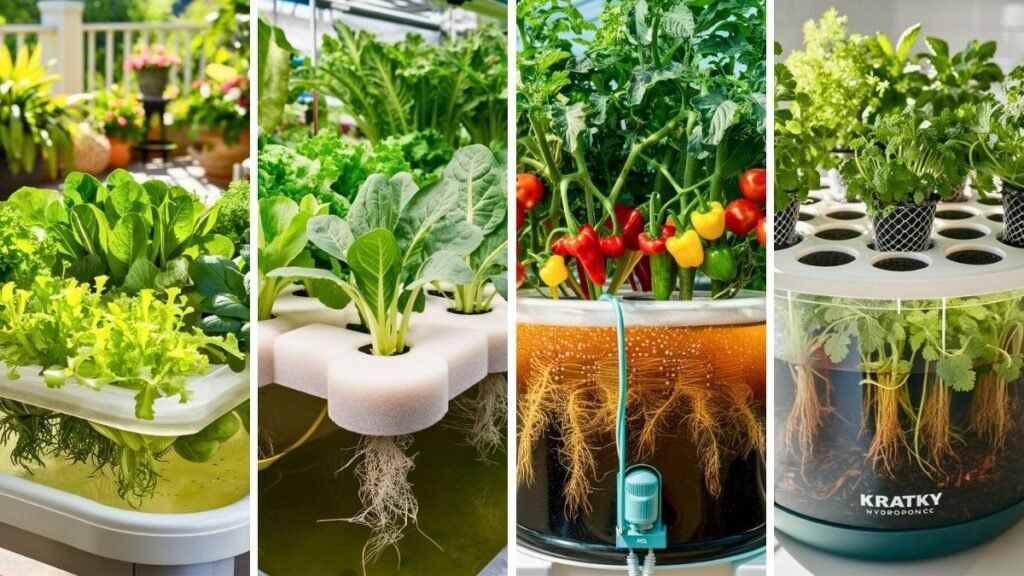
Urban farming techniques are space-efficient methods such as hydroponics, aeroponics, vertical farming, and aquaponics that enable growing food and greenery in dense urban settings like Singapore’s apartments, balconies, roofs, and containers. Hydroponics uses nutrient rich water instead of soil. Aeroponics delivers nutrients via mist. Aquaponics combines fish farming with plant growth in a closed loop. This mix of systems makes farming feasible in limited space while cutting resource use.
Why this article matters in Singapore
Singapore imports about 90% of its food, so local, space-efficient farming strengthens resilience. The government backs greener urban spaces and higher local production, with programs that support schools, communities, and families. Water-saving systems, especially hydroponics and aeroponics, enable practical farming at home and in schools. Real-world stories show small spaces can deliver meaningful harvests and a sense of wellbeing.
Quick definitions with Singapore relevance
Hydroponics: Soil-less growing in nutrient solutions; highly water-efficient and ideal for balconies. Aeroponics: mist-based nutrient delivery; high yields with minimal water, suited for vertical setups. Aquaponics: plant and fish cycling in one system; great for learning and longer-term growth. Vertical farming: stacking plant layers to maximize space with climate control. Soil based microgreens and container gardens: low upfront costs and quick wins for beginners.
Techniques comparison what works best in small Singapore spaces
Hydroponics
Best for balconies, kitchens and classrooms with modular kits. Pros include fast growth, scalability, and low water use cons require a pump, timer and electricity.
Aeroponics
Very high efficiency in compact vertical setups. Pros are superb water use and space savings; cons include higher initial complexity and maintenance.
Aquaponics
Combines plants and fish in one loop. Pros are nutrient recycling and visual appeal; cons are more setup and ongoing balance management.
Vertical farming
Maximizes vertical space with layered growing. Pros are high density and scalability cons include equipment costs and climate control needs.
Soil-based microgreens/compact gardens
The simplest entry point. Pros are low upfront cost and ease; cons include limited space efficiency and crop variety.
Space & infrastructure turning small spaces into productive farms (Singapore-focused)
Balconies shine with vertical racks and lightweight grow systems. Consider sun exposure and weight limits and add drip irrigation or LED lights for cloudy days. Rooftops benefit from shade nets, wind barriers and careful drainage planning. Windowsills and interior walls work with tiered shelves and compact hydroponic kits. Even shipping containers can host compact greens. Community and school gardens blend raised beds with live hydroponic demos to teach STEM concepts.
Sustainability & food security how urban farming helps SG (2025 snapshot)
Hydroponics can cut water use by up to 90% compared with soil farming. Aeroponics and vertical farming increase yields per square meter and reduce energy per harvest with climate control. National goals push higher local production and greener spaces, and urban farming supports these aims. Small-scale farms in buildings reduce transport emissions and build local resilience.
Getting started a simple 5-step plan (for small spaces)
- Assess your space: map sun exposure, water access, outlets, and weight limits.
- Pick a system: start with hydroponics for beginners; consider vertical or container farms for multi-level setups.
- Gather beginner equipment: starter kits, basic pumps, media, nutrients, and timers.
- Set up and cycle: start clean and run a mini nutrient cycle to calibrate pH and EC.
- Maintain and optimize: monitor moisture, nutrients, pests and lighting harvest and learn.
Quick-start checklist: space plan, kit choice, water source, safety and a 2-week growth target.
Technology and automation for home urban farms (SG-relevant)
Sensor basics include moisture, EC/pH and temperature/humidity. Automation covers timers for pumps and lights and beginner dashboards to track growth. For many readers, Ecoponics offers starter kits with learning built in. These tools make home farming simpler and more enjoyable.
Real life example a Singapore condo balcony garden
A compact balcony hydroponic setup grows lettuce, herbs and basil with vertical rails and LED lighting. The family enjoys steady harvests in 6–8 weeks and reduces trips to the store. The case shows how small spaces can yield meaningful greens and teach sustainability.
Education, workshops and downloadable resources
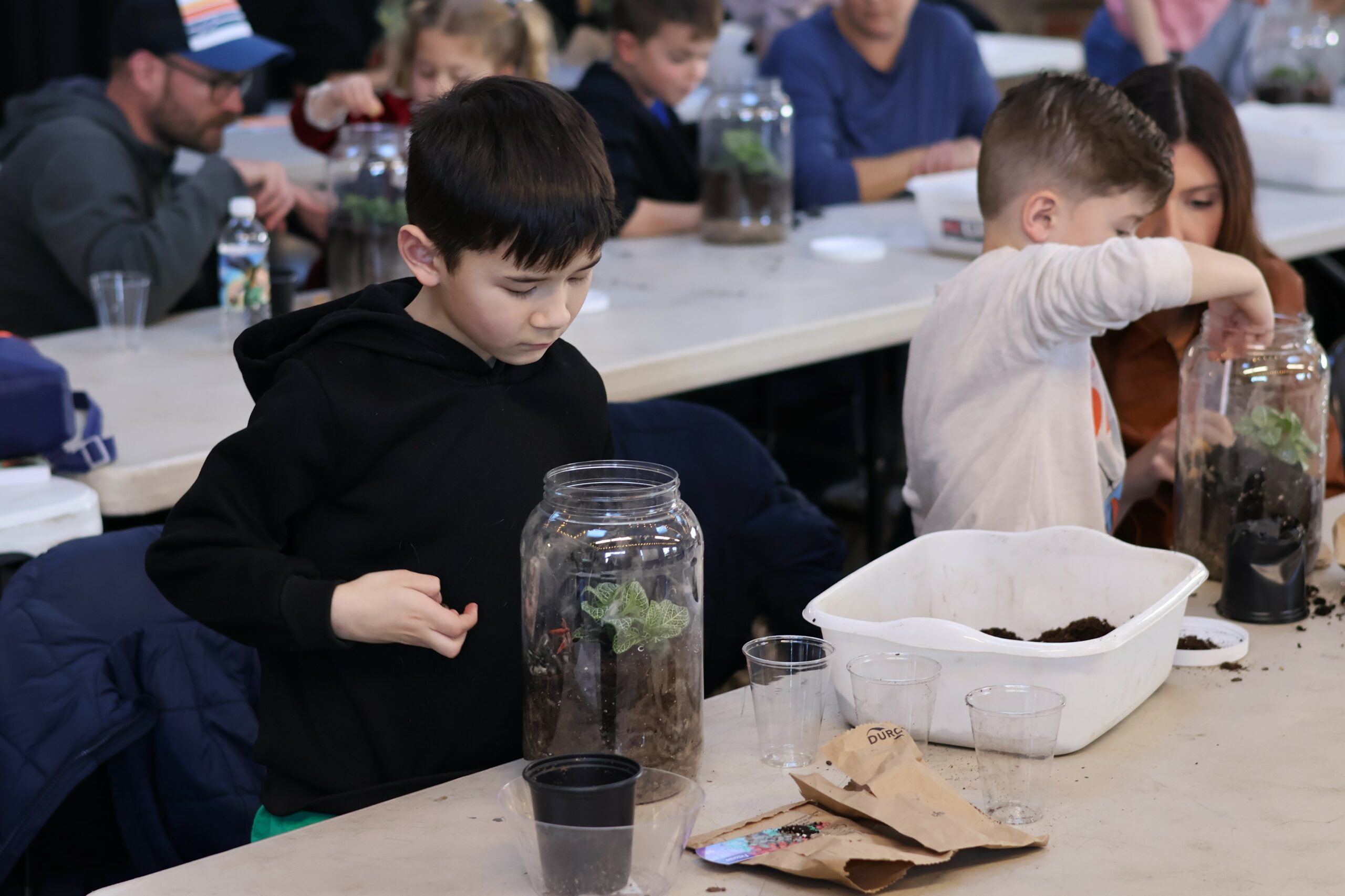
Ecoponics runs workshops for schools, kindergartens and the public. You’ll find beginner PDFs on starting a home system, pest management tips and waste reduction ideas. Access is easy via Ecoponics’ Singapore programs and local community offerings, with links on the landing page above.
Products and services to get you started
- Hydroponic systems and kits such as GrowMe and starter kits designed for apartments and balconies.
- STEM and learning kits that align with education goals for schools and families.
- Waste to resource tools like compact composters to close the loop.
These offerings provide an accessible path from learning to hands on practice, helping readers turn small spaces into productive green havens. Ecoponics’ year-round programs add practical, community focused value.
Use case spotlight: Singapore-specific example
A family or school group sets up a small balcony hydroponic system using a starter kit. They document growth, learn pest prevention and incorporate composting. The case shows how small spaces deliver steady harvests and foster sustainability.
Call to action
Book a workshop with Ecoponics to start learning today. Download beginner guides and start a small balcony garden. Explore hydroponic kits and smart composters to build a complete, space-efficient system. Join local community farming initiatives to share knowledge and harvests.
Summary
Small spaces, big harvests. Urban farming techniques empower Singapore residents to grow greens even on balconies or in containers by using water-saving systems and vertical layouts. Start with a simple kit, learn from workshops and scale as you gain experience.
Frequently Asked Questions
What are the most effective urban farming techniques for small spaces in Singapore?
Hydroponics and vertical farming are popular for their efficiency and scalability.
How does hydroponics compare to soil-based urban farming?
Hydroponics uses far less water and can yield faster harvests soil methods are simpler but need more space.
What is aeroponics and why is it suitable for city environments?
Aeroponics delivers nutrients as mist, enabling compact high density setups.
Can I run an aquaponics system in an apartment or rooftop?
Yes but it is more complex and requires careful balance of fish and plants.