Preschool children learn best when ideas become something they can touch, observe, question and create. At this age, concepts like plant growth, recycling, food waste, decomposition and sustainability can feel too abstract if they are only explained through pictures or classroom talk. A child may hear the word recycling many times, but the meaning becomes clearer when they turn an empty PET bottle into a self-watering planter or press recycled pulp into plantable paper.
This is where Ecoponics’ preschool workshops in Singapore add strong educational value. Their programmes are designed for kindergarten and preschool children, typically aged 3 to 6, and use hands-on activities around science, nature, urban farming, upcycling, art and environmental care. Ecoponics also states that each session usually runs around 1 to 1.5 hours, making it short enough for young learners while still allowing time for active participation.
In Singapore, this approach also fits the national direction for early childhood education. The Ministry of Education’s Nurturing Early Learners framework highlights holistic development, curiosity, active learning and key learning areas such as Discovery of the World, Health, Safety and Motor Skills, Language and Literacy, Numeracy and Creative Expression.
What Makes Ecoponics Preschool Workshops Different?
Ecoponics’ preschool workshops are not built around passive watching. They are structured as themed learning experiences where children make, test, decorate, plant, observe and take home what they create.
The workshop categories include Discovery of the World, Saving the Earth, Artful Adventure and Learning Journey. These themes allow preschools to choose sessions that match classroom topics such as plant growth, food systems, recycling, sensory exploration and environmental responsibility.
Learning Becomes Physical, Visual and Memorable
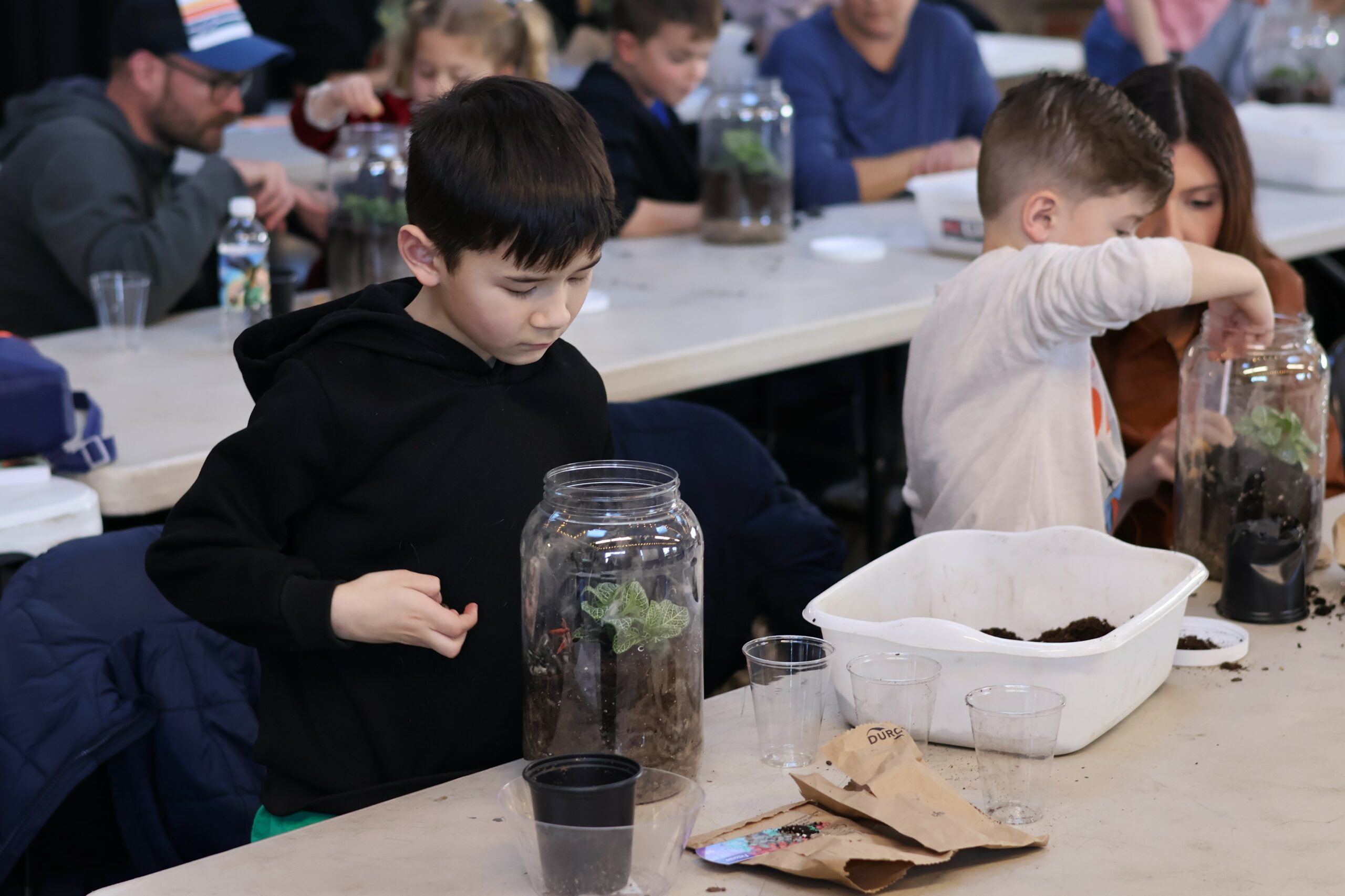
A preschooler may not fully understand ecosystem as a definition. But when they build a terrarium, see moisture collect, and learn how plants survive in an enclosed environment, the concept becomes visible. Ecoponics’ terrarium-making workshop introduces the fundamentals of plant growth and enclosed plant survival in a way that children can experience directly.
The same applies to mushroom growing, composting, hydroponics, and upcycling. Each topic gives children a concrete object or process to work with, helping them connect new vocabulary with real world experience.
How Hands-On Workshops Support Preschool Development
Hands-on learning is powerful because it activates more than one skill at a time. In one workshop, a child may be using fine motor skills, asking questions, listening to instructions, comparing materials, making choices and explaining what they created.
Singapore’s NEL framework explains that children need opportunities to explore their environment, gather information, observe, compare, predict, reason and communicate their understanding. These are exactly the kinds of process skills that practical workshops can support.
Cognitive Growth Through Inquiry
When children plant seeds, observe mushrooms or compare dry and wet compost materials, they begin to think like young investigators. They ask simple but meaningful questions:
- Why does this plant need water?
- Why can some plants grow without soil?
- What happens to food scraps over time?
- Why should we reuse bottles instead of throwing them away?
These questions build early scientific thinking. The child is not memorising a fact they are noticing cause and effect.
Fine Motor and Sensory Development
Preschool workshops also help children practise hand control. Activities such as pressing paper pulp, arranging plants, pouring materials, painting stones or building a PET bottle planter require coordination and focus. These experiences support the physical readiness needed for later writing, drawing, cutting and classroom tasks.
Language Development Through Real Experiences
Children remember words better when those words are attached to action. Terms like roots, recycle, compost, sprout, mushroom, water, soil, growth and environment become easier to understand because children can see and use them during the activity.
Ecoponics and Singapore’s Sustainability Education Goals
Ecoponics workshops are especially relevant in Singapore because sustainability is not only a classroom topic. It is part of the country’s long-term planning.
Singapore imports more than 90% of its food, which makes food resilience an important national issue. Under Singapore Food Story 2 the government is working towards strengthening food resilience through import diversification, global partnerships, stockpiling, and local production, including targets to supply 20% of local fibre consumption and 30% of local protein consumption by 2035.
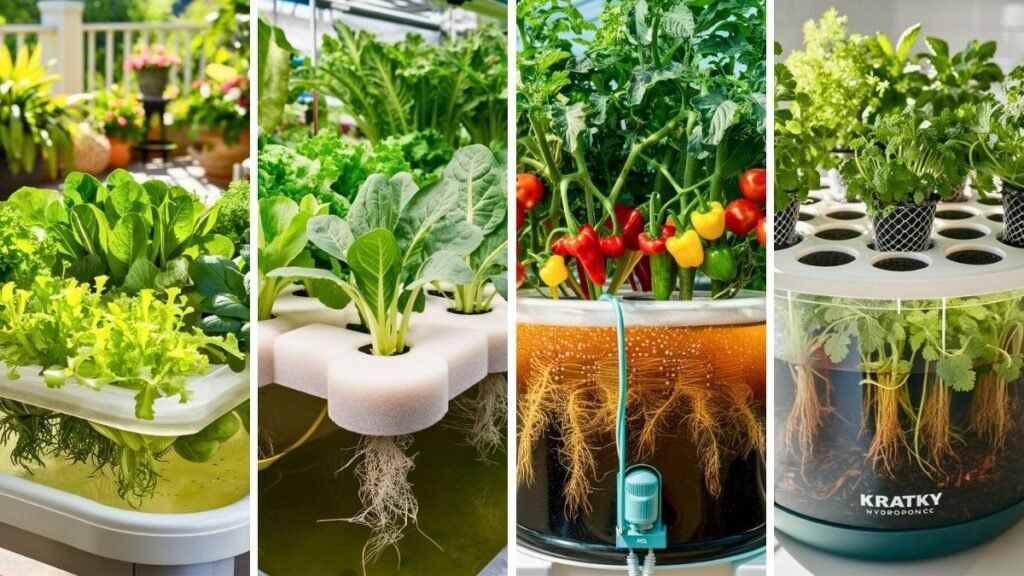
For preschoolers, these national goals are too complex to teach as policy. But Ecoponics makes the bigger idea child-friendly. A hydroponics workshop, for example, helps children understand that plants can grow without soil in compact urban systems. Ecoponics describes its Urban Farming Through Hydrokit workshop as a kid-friendly hydroponics activity where children discover how plants grow without soil using a mini hydro-kit.
Examples of Ecoponics Preschool Workshops That Build Real Skills
Terrarium Making: Understanding Plant Survival
Terrarium making introduces children to plant care, moisture, enclosed environments, and responsibility. It also encourages patience because children can observe changes after the workshop.
Mushroom Growing: Learning Life Cycles and Healthy Eating
The mushroom-growing workshop helps preschoolers explore the mushroom life cycle and understand how mushrooms grow. Ecoponics also connects this activity to healthy diet awareness, making it useful for both science and everyday life learning.
Compost ’n’ Grow Planter: Seeing Decomposition in Action
Composting can be difficult for young children to understand because decomposition is slow and mostly hidden. A compost planter gives children a visible way to explore how organic matter changes and how food waste can become useful.
PET Bottle Self-Watering Planter: Recycling With Purpose
In this activity, children transform empty PET bottles into functional planters with a built-in self-watering system. This teaches recycling, plant care, and sustainability through a practical object children can understand.
Why Take-Home Creations Matter for Learning Retention
One strong feature of Ecoponics’ preschool workshops is that children can take home what they make. Ecoponics states that children take home their workshop creations so they can continue enjoying them and applying what they learnt.
This matters because learning does not end when the workshop ends. A child who brings home a planter or terrarium may continue watering it, watching changes, and explaining the activity to parents. That after-workshop conversation strengthens memory and gives parents a natural way to support learning.
For preschools, take-home items also create visible value. Parents can see what their children made, which helps schools communicate that enrichment activities are not just fun add-ons but meaningful learning experiences.
How Ecoponics Workshops Help Preschools Deliver Broader Learning Outcomes
Preschool educators often need activities that support multiple learning areas without feeling forced. Ecoponics workshops work well because one session can connect science, language, creativity, motor skills, and social development.
A single upcycling activity may support:
- Science learning: understanding materials, water, plant growth, or decomposition
- Environmental awareness: learning why reuse and recycling matter
- Motor skills: cutting, pressing, arranging, scooping, painting, or assembling
- Language development: describing steps, materials, colours, textures, and changes
- Social skills: sharing tools, waiting for turns, helping peers, and following group instructions
This kind of integrated learning reflects how young children naturally learn. They do not separate “science” from “art” or “language”; they learn through connected experiences.
Safe, Age-Appropriate Learning for Young Children
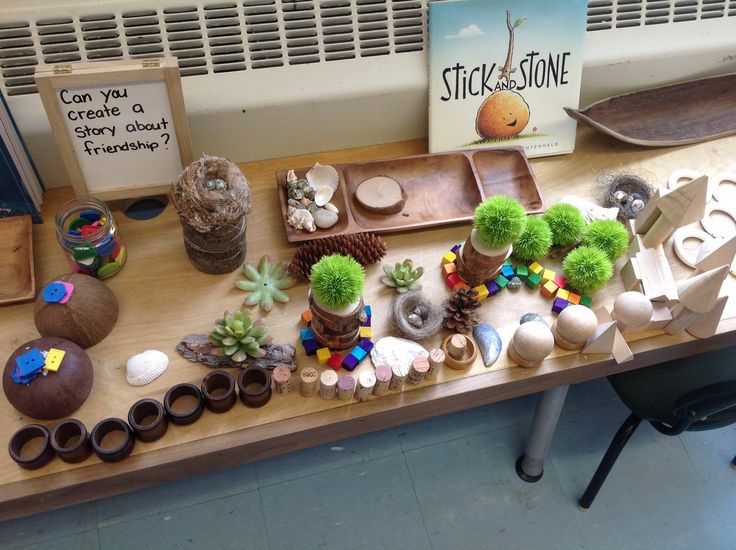
For preschool workshops, safety and facilitation matter as much as the topic. Ecoponics notes that its workshops are led by experienced facilitators who help ensure a safe, educational, and enjoyable experience. They also provide workshop materials, with some exceptions such as recyclables for upcycling workshops and writing instruments for selected learning journeys.
This is important for schools because preschoolers need clear guidance, manageable steps, and materials suited to their age. A good workshop should feel exciting, but not overwhelming. Ecoponics’ 1 to 1.5-hour format is practical because it gives children enough time to participate without stretching their attention span too far.
Why Preschool Workshops Are Valuable for Parents and Schools
For parents, the value is simple: children come home with stronger curiosity, better vocabulary, and a real object that represents what they learnt.
For schools, the value is broader. Workshops can support curriculum themes, enrich environmental education, and give teachers a practical way to introduce sustainability without needing to prepare all materials from scratch.
Ecoponics also offers flexibility by hosting workshops at its studio at Jalan Pemimpin or at a school’s preferred venue. This makes it easier for preschools to include hands-on learning as part of class events, theme weeks, environmental days, or learning journeys.
Practical Takeaways for Preschools Planning an Ecoponics Workshop
Before booking a preschool workshop, schools can get better results by matching the activity to the learning objective.
For example, choose:
- Terrarium Making for plant care, enclosed ecosystems, and observation
- Mushroom Growing for life cycles and healthy eating
- Hydrokit Urban Farming for soilless growing and food resilience
- PET Bottle Planters for recycling, sustainability, and practical reuse
- Paper Making or Plantable Paper for upcycling, sensory learning, and creative expression
Teachers can also prepare children before the session with simple questions: “Where does food come from?”, “What happens to rubbish?” or “What do plants need to grow?” After the workshop, children can draw what they made, talk about the steps, or observe their take-home item over time.
Conclusion: Small Hands, Big Learning Moments
Ecoponics’ preschool workshops show how early learning becomes stronger when children are allowed to build, touch, grow, reuse and investigate. Instead of explaining sustainability as a big adult concept, the workshops turn it into child-sized experiences: a bottle becomes a planter, pulp becomes paper, food waste becomes compost and a mini hydro-kit shows how plants can grow without soil.
For Singapore preschools, this is more than an enrichment activity. It supports curiosity, process skills, environmental awareness, communication, motor development and meaningful parent-child conversations after class. As sustainability and food resilience become increasingly important in Singapore, early exposure through hands-on workshops can help children grow into more observant, responsible and confident learners.
FAQs
What age group are Ecoponics preschool workshops suitable for?
They are designed for preschoolers, typically aged 3 to 6 years old.
How long does an Ecoponics preschool workshop usually take?
Most workshops last around 1 to 1.5 hours.
Do children get to take anything home?
Yes. Children usually take home what they create during the workshop.
What topics do Ecoponics preschool workshops cover?
Topics include plant growth, hydroponics, mushroom growing, composting, recycling, upcycling, art and environmental care.
Where can the workshops be held?
They can be held at Ecoponics’ studio in Jalan Pemimpin or at the preschool’s preferred venue.