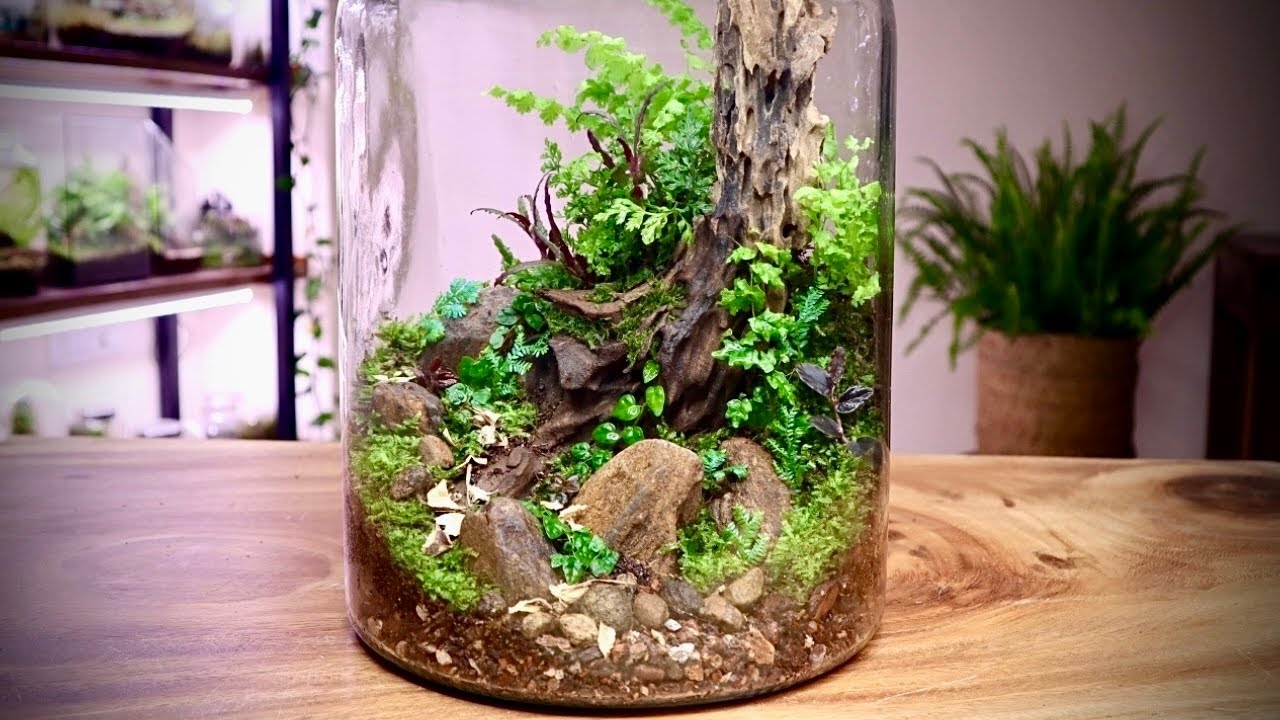
A terrarium may look simple from the outside: a glass container, a few small plants, some stones, and a neat layer of soil. But inside that miniature garden, the soil mix is doing some of the most important work. It controls how much water stays around the roots, how much air reaches them, and whether the plants can settle into a healthy, stable environment.
This matters even more in Singapore, where warm temperatures, high rainfall periods and indoor air-conditioning can all affect how plants behave. Singapore’s 2025 climate data showed an annual mean temperature of 28.1°C, while annual rainfall reached 2,984.9mm, which was 18% above the long-term average. That means moisture management is not a small detail for indoor greenery it is central to plant health.
For terrariums, the wrong soil can lead to soggy roots, mould, yellowing leaves and plant decline. The right soil mix, however, creates a balanced root zone where terrarium plants can grow slowly, steadily and beautifully.
Why Terrarium Soil Is Different From Ordinary Garden Soil
A terrarium is a closed or semi-closed growing system
Unlike a normal plant pot, many terrariums do not have drainage holes. This means extra water cannot simply escape from the bottom. Clemson Cooperative Extension describes terrariums as clear glass or plastic containers with soil, often open or closed and notes that properly planted terrariums can provide long-term enjoyment with relatively little care.
In a closed terrarium, moisture evaporates, condenses on the glass and returns to the soil. The Royal Horticultural Society explains that sealed terrariums have high humidity and recirculated moisture, which is why they usually need very little watering once balanced.
Normal gardening soil can hold too much water
Ecoponics highlights that not all soils are suitable for terrariums, especially closed terrariums, because normal gardening soil may trap too much water in the moist enclosed environment. Excess moisture can damage plants and may eventually cause plant death.
That is why a terrarium soil mix should not be judged only by how “rich” it looks. It should be judged by structure: how it holds moisture, drains internally, resists compaction and supports root oxygen.
What a Healthy Terrarium Soil Mix Must Do
It should hold moisture without becoming waterlogged
Terrarium plants usually prefer consistent moisture, but not swampy conditions. A good mix keeps the roots lightly moist while allowing excess water to move away from the immediate root zone.
Oklahoma State University notes that an ideal growing medium should provide both water retention and drainage, while avoiding excessively fine materials that cause poor aeration.
It should keep oxygen around the roots
Roots need oxygen to function. When soil becomes compacted or constantly wet, air pockets disappear. Iowa State University explains that soil placed into containers can lose air-filled pores and compact, making overwatering and poor rooting more common.
A well-designed terrarium mix stays loose enough for roots to breathe, even in a small glass container.
It should remain stable over time
A terrarium is not meant to be disturbed every few days. The soil should stay structurally stable, clean, and suitable for slow-growing plants. Clemson Extension recommends terrarium soil that is high in organic matter, clean and well-drained, while also noting that fertilizer is usually unnecessary because terrarium plants are not meant to grow rapidly.
What Makes Ecoponics Terrarium Special Soil Mix Suitable for Terrariums
Ecoponics’ Terrarium Special Soil Mix contains three key components: organic soil, vermiculite, and volcanic sand. The mix is specially proportioned to help terrarium plants grow in a healthier environment.
Organic soil supports anchoring and basic nutrition
Organic soil gives plant roots a natural base to settle into. It helps hold enough moisture for tropical terrarium plants and provides a supportive growing layer for small root systems.
The key is proportion. Too much dense organic matter can hold excessive water, but when balanced with mineral components, it becomes more suitable for terrarium use.
Vermiculite helps regulate moisture
Vermiculite is useful because it holds water and some nutrients in a potting mix. The University of Vermont notes that vermiculite helps retain water and fertilizer and contains some calcium and magnesium.
In a terrarium, this helps prevent the soil from drying too quickly, especially in homes or offices where air-conditioning may reduce humidity.
Volcanic sand improves physical structure
Volcanic sand adds a mineral element that helps improve the texture of the mix. In terrariums, texture matters because overly fine soil can become dense and oxygen-poor.
However, the proportion is important. Iowa State University cautions that sand does not always behave in containers the same way it does in ground soil, which is why it works best as part of a balanced mix rather than as the main growing medium.
Why Singapore Terrariums Need Better Moisture Control
Warm, humid weather changes how terrariums behave
Singapore’s climate can make moisture management tricky. When indoor spaces are warm, water evaporates faster. When a terrarium is closed, that moisture may collect on the glass and return to the soil. If the soil is too dense, the roots stay wet for too long.
This is why a terrarium in Singapore needs a mix that can handle moisture without turning heavy or muddy.
Air-conditioning can create a different indoor microclimate
Many terrariums are placed in offices, classrooms, malls and air-conditioned homes. NParks notes that air-conditioning lowers humidity and can cause some plants to lose water at a higher rate. It also highlights light, water, plant choice and airflow as key indoor gardening considerations.
So, even in humid Singapore, indoor terrariums may still experience drying at the surface while staying wet deeper inside. A balanced soil mix helps reduce that stress.
How the Right Soil Mix Supports Healthier Terrarium Plants
A good terrarium soil mix improves plant health in several practical ways:
- Reduces root rot risk by preventing the root zone from staying overly wet.
- Supports stronger root growth by maintaining air pockets in the soil.
- Keeps moisture more consistent so plants do not swing between too wet and too dry.
- Reduces maintenance mistakes because the soil is more forgiving for beginners.
- Improves long-term appearance by keeping plants compact, fresh, and less stressed.
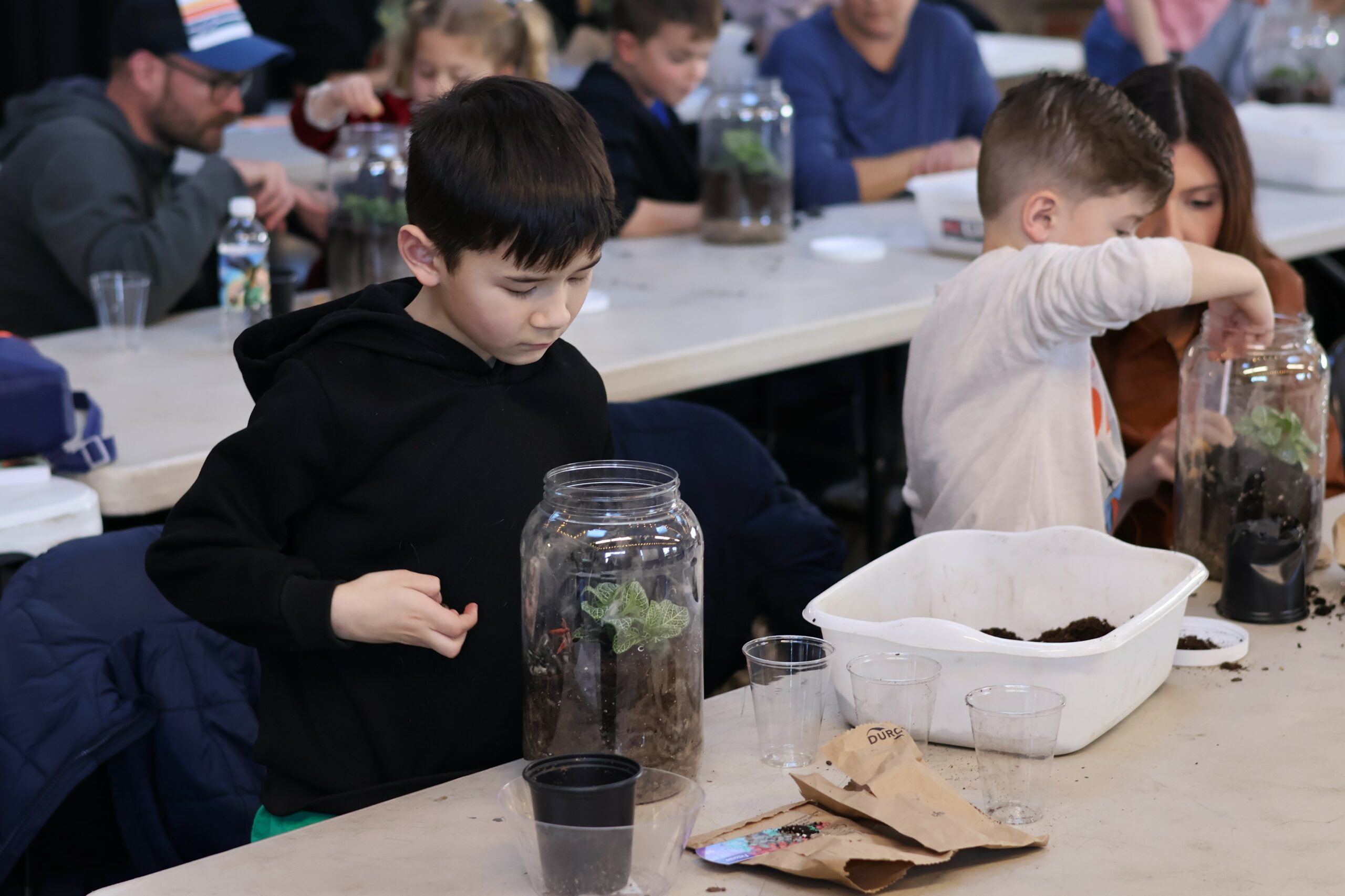
These benefits are especially useful for beginners, school workshops, corporate team-building activities, and anyone creating terrariums as gifts.
Matching Soil Mix to the Right Terrarium Plants
Closed terrariums need humidity-loving plants
Closed terrariums are best for small, slow-growing tropical plants that enjoy humidity. The RHS lists plants such as fittonias, peperomias, pileas, small ferns and selaginella as suitable options for closed terrariums.
These plants usually prefer soil that stays lightly moist but not soaked.
Open terrariums need drier conditions
Open terrariums are better for plants such as succulents and cacti, which dislike high humidity. The RHS notes that open terrariums can be used for succulents, while closed terrariums suit humid tropical plants.
This is why plant choice and soil choice must work together. A moisture-retentive closed-terrarium mix may not be ideal for desert-style plants unless adjusted for extra drainage and airflow.
Practical Tips for Using Terrarium Soil Mix Correctly
Even the best soil mix needs proper handling. Small mistakes during setup can affect how the terrarium performs later.
- Do not overpack the soil. Pressing too firmly reduces air pockets and makes the mix compact.
- Water lightly after planting. Add just enough water to settle the plants, not flood the container.
- Place the terrarium in bright, indirect light. Direct sun can overheat the glass and stress plants.
- Watch the condensation pattern. Light misting on the glass is normal; constant heavy dripping suggests too much moisture.
- Remove dead leaves quickly. Decaying plant matter can encourage mould in a closed environment.
Iowa State University advises against tapping or pressing potting media because compaction reduces air-filled pores, which become especially important when overwatering occurs.
Signs Your Terrarium Soil Mix Is Not Working
A terrarium usually gives clear warning signs when the soil is holding too much water or not supporting roots properly.
The glass is always heavily fogged
Some condensation is normal in a closed terrarium. But if the glass is constantly wet and dripping, the soil may be too moist.
Leaves turn yellow or mushy
Yellowing leaves can be a sign that roots are stressed by excess moisture. Mushy stems often suggest rot.
The soil smells sour
Healthy terrarium soil should smell earthy. A sour or swampy smell usually means poor aeration and too much water.
Plants stop growing or collapse
Terrarium plants grow slowly, but they should still look firm and fresh. Sudden collapse often points to root problems.
Why the Right Soil Mix Matters for Homes, Schools and Businesses
For homeowners, a proper terrarium soil mix means less guesswork. You do not have to water constantly or replace plants every few weeks.
For schools and educational workshops, it helps students see how ecosystems work in miniature. A balanced terrarium makes it easier to observe water cycles, plant adaptation and responsible plant care.
For businesses using terrariums as gifts, décor or workshop activities, the soil mix affects the final experience. A terrarium that stays fresh for longer reflects better quality and reduces complaints, replacements and maintenance issues.
Conclusion: Healthy Terrariums Are Built from the Soil Up
A thriving terrarium is not just about choosing attractive plants or arranging stones neatly. The real foundation is the soil mix. In a small glass environment, soil has to manage moisture, oxygen, structure and root support with very little room for error.
For Singapore’s warm, moisture-sensitive indoor conditions, a well-proportioned terrarium soil mix is especially important. Ecoponics’ Terrarium Special Soil Mix combines organic soil, vermiculite and volcanic sand to create a more suitable growing base for terrarium plants. Instead of treating soil as a background material, successful terrarium care starts by seeing it as the living support system beneath every healthy leaf.
As indoor gardening continues to fit into homes, offices, classrooms and workshops, the future of terrarium care will depend less on frequent maintenance and more on smarter setup choices. Choosing the right soil mix from the beginning is one of the simplest ways to help terrarium plants thrive for the long term.
FAQs
Can I use normal garden soil in a terrarium?
It is not recommended, especially for closed terrariums. Normal garden soil can hold too much water and may cause root rot.
What is the best soil mix for terrarium plants?
A good terrarium soil mix should be clean, well-draining, moisture-retentive and light enough for roots to breathe.
How often should I water a terrarium?
Closed terrariums need very little watering once balanced. Water only when the soil looks dry and condensation is minimal.
Why does my terrarium soil smell bad?
A sour smell usually means the soil is too wet and lacks airflow. Open the terrarium, remove decaying leaves and let excess moisture escape.
Is Ecoponics Terrarium Special Soil Mix suitable for closed terrariums?
Yes. It is designed for terrariums and contains organic soil, vermiculite and volcanic sand to support healthier plant growth.