Planning a science workshop for Singapore schools takes focus, structure, and the right materials. This guide walks you through MOE-aligned steps to deliver hands-on learning that sticks. Ecoponics can be a trusted partner for turnkey logistics and ready-made kits.
TL;DR / Key Takeaways
- Plan MOE aligned measurable learning objectives before content and activities.
- Choose a relevant engaging theme with ready to use kits.
- Aim for a 1–2 hour workshop format with hands-on activities and clear safety protocols.
- Use a turnkey provider with Singapore-specific experience to reduce logistics burden.
- Collect structured feedback and measure outcomes to improve future sessions.
What is a science workshop and why is it important for Singapore schools?
A science workshop is a structured, hands-on learning session that promotes inquiry and applied science. It aligns with MOE expectations by pairing exploration with clear outcomes. A well-run workshop boosts engagement, curiosity and 21st-century skills in students.
A science workshop is a focused, interactive learning session where students investigate concepts through experiments, models and discussion designed for Singapore classrooms.
How to define MOE aligned learning objectives for a science workshop
Clear objectives guide activities and assessment. Here are 10 steps to craft them well.
- Identify grade level and subject scope (primary, secondary, or enrichment).
- Map objectives to MOE outcomes or syllabus strands.
- Translate objectives into observable actions (describe, demonstrate, analyze).
- Include both knowledge and skill outcomes for understanding and technique.
- Set measurable success criteria (checklists, rubrics, quick checks).
- Include cross-curricular links (science, math sustainability, language).
- Plan pre-work and post work to reinforce objectives.
- Ensure inclusivity and accessibility in objectives.
- Align assessment methods with resources and time.
- Validate objectives with a quick pilot or teacher input.
Tip: Use clear verbs from Bloom’s taxonomy suitable for the target age. Include a real-world context relevant to Singapore like urban farming or food security.
How to design a hands on engaging science workshop for Singapore
Design starts with a relevant theme and practical activities. A good workshop feels purposeful and doable within school time.
- Themes that resonate Sustainability and urban farming (terrarium, hydroponics) Food waste and circular economy (eco enzymes) Water quality, ecosystems, biodiversity Energy, climate and resilience.
- Activity design principles Station-based rotations clear station instructions, mindful differentiation and safe age-appropriate kits with disposal plans.
Sample activity lineup outcomes
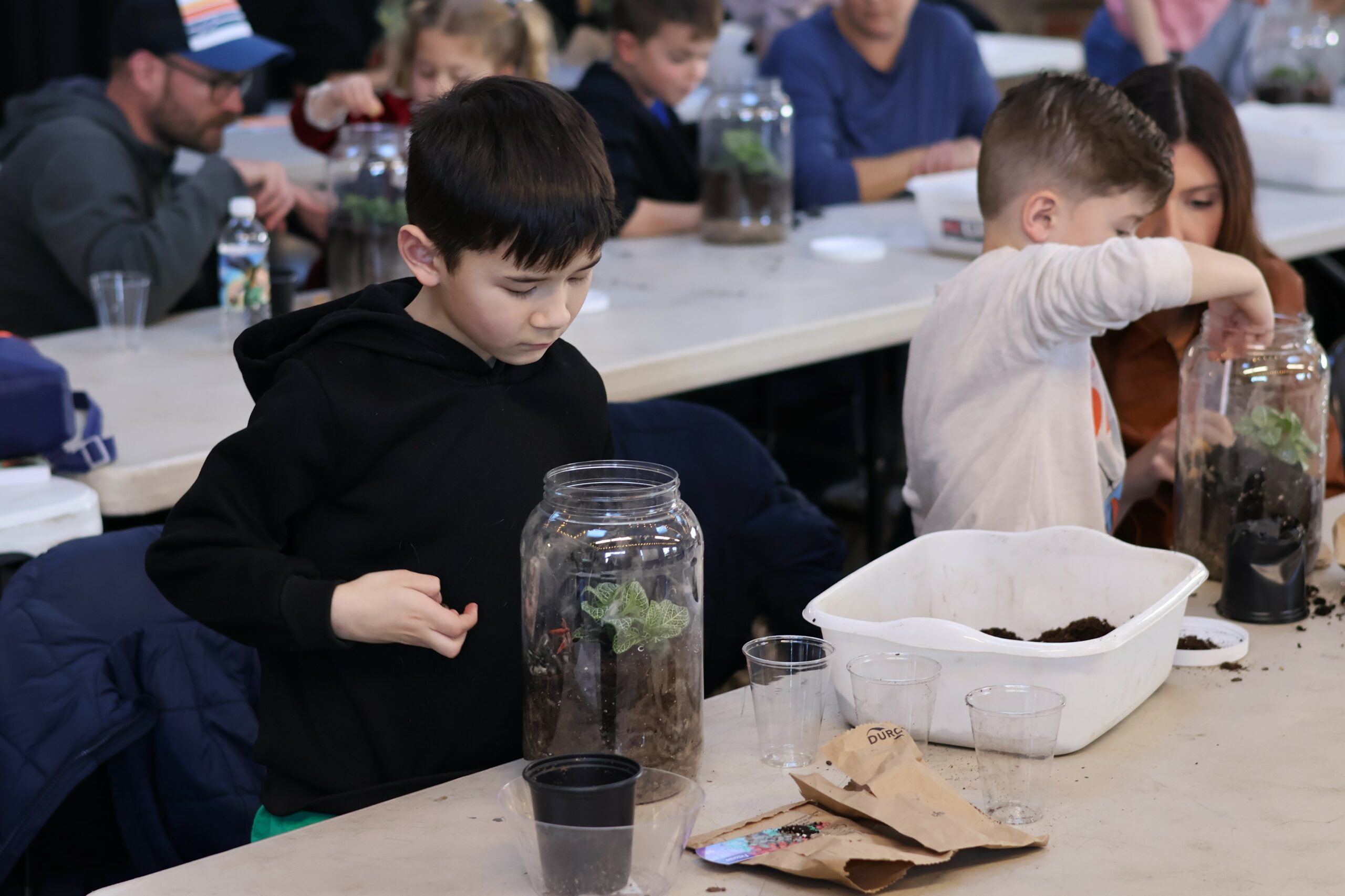
- Terrarium makes observations of ecosystems, plant adaptations and sustainable design.
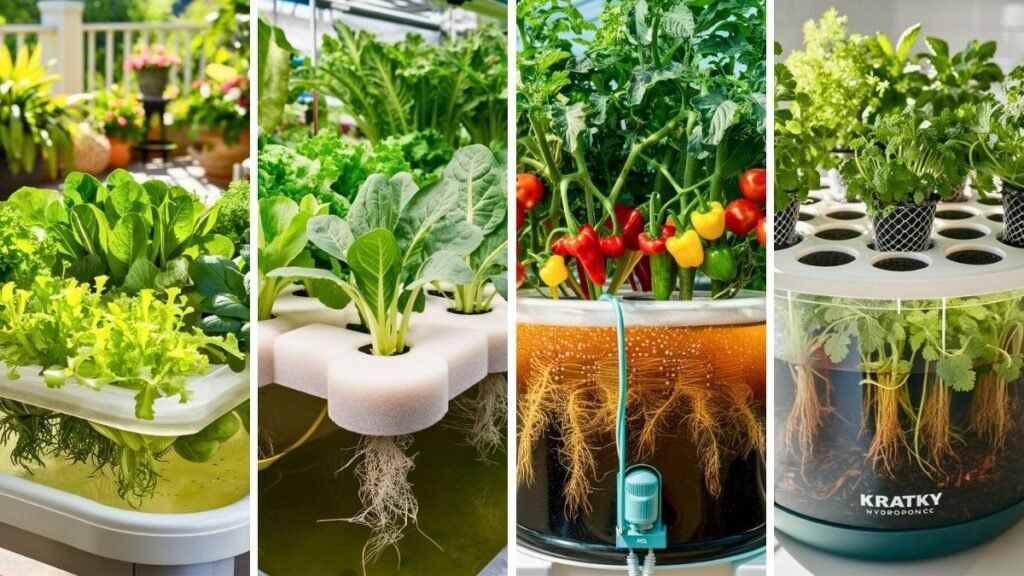
- Hydroponics demonstration: track plant growth under controlled conditions.
- Eco enzymes from citrus peels explore circular economy and basic chemistry.
How to select materials and kits
- Choose reusable, safe, STEM-forward kits.
- Ensure bilingual or multilingual support if needed.
- Verify alignment with objectives and time constraints.
What to communicate to teachers and administrators beforehand:
- Objectives, activities, prep needs and safety considerations.
- How assessments will be conducted and reported.
How to plan logistics, safety and inclusivity for a Singapore science workshop
Logistics set the stage for learning. A thoughtful plan prevents chaos and keeps students focused.
- Duration and scheduling Typical sessions run 1–2 hours; tailor to age and timetable.
- Venue and setup Space, tables, and safety zones matter for smooth rotations.
- Materials and kits management Stock, label, store, and plan waste disposal.
- Safety and compliance PPE, risk assessments and emergency procedures.
- Accessibility and inclusivity Multilingual support, adjustable pacing and accommodations for learners with special needs.
- Teacher and facilitator roles Clear responsibilities and timing to keep sessions flowing.
How to measure success and gather feedback from participants
Measuring impact shows what worked and where to improve. Define success early and collect feedback during and after the workshop.
- Define success metrics Learning outcomes, engagement, and skill development.
- Feedback mechanisms: Quick exit tickets, short surveys, focus groups and facilitator notes.
- Post-workshop assessment Short quizzes, demonstrations, or reflection prompts.
- Continuous improvement loop Analyze feedback, adjust activities, update safety, and refresh kits.
How to choose a reputable science workshop provider in Singapore
A trusted partner brings MOE-aligned content, safety and logistics expertise to your school. Look for proven credentials and a plan that fits your context.
- What credentials to look for MOE-aligned content, qualified facilitators, safety standards and credible references.
- What kits and materials should be included: Hands-on kits, consumables, safety gear and take home resources.
- Why partner with a trusted provider A Singapore-focused partner can reduce planning time and ensure consistent outcomes.
- Ecoponics as a trusted partner Ecoponics offers MOE-aligned science programmes with hands-on kits and experiential learning for Singapore schools.
Real life example Terrarium and hydroponics workshop
Scenario Upper primary to early secondary, theme sustainability and plant science. Activities terrarium assembly, hydroponics demo, and reflective discussion on urban farming.
Outcomes demonstrated understanding ecosystems, plant biology, and sustainability concepts; observation logs and basic lab techniques. Typical session: 1.5 hours with provided kits, safety briefing, and cleanup. Feedback often shows higher engagement and clearer links to real-world topics.
Step by step planning checklist
- Define MOE-aligned objectives and target audience.
- Select a feasible theme and activities/kits.
- Script a 1–2 hour timetable with transitions.
- Verify facilitator credentials and safety protocols.
- Prepare pre-work and post work materials for teachers.
- Confirm venue logistics seating and safety gear.
- Gather materials kits and PPE assign roles.
- Implement risk assessment and emergency plans.
- Run a pilot or dry run if possible.
- Collect feedback and document outcomes for improvement.
- Share a concise post workshop report with stakeholders.
- Plan follow-up activities or extension modules.
Resources and next steps
- Planning templates objective mapping, timetable, and risk-checklist.
- Resource ideas sample activity decks and kit inventories; post-workshop feedback forms.
- How Ecoponics can help ready to deliver options with kits and teacher resources tailored for Singapore classrooms.
Conclusion and call to action
Organizing a successful science workshop in Singapore hinges on clear objectives, practical activities and trusted partners. Consider a provider with MOE aligned programmes to save time and boost impact. Contact Ecoponics’ Science Programmes to review ready made MOE aligned options and request a customised proposal.
FAQ
How long should a typical science workshop last?
Most sessions run 1–2 hours adjusted by age and objectives.
Are these workshops MOE-aligned?
Yes, reputable providers align content to MOE outcomes and include measurable objectives.
What age groups are appropriate?
Content can be customized from kindergarten to secondary activities.